
Mold can start to grow within 24 to 48 hours after a hurricane. It’s vital to act quickly and methodically in the aftermath of such a disaster. From evaluating structural safety to documenting damage for insurance claims, there’s a lot to take into account. Understanding these essential steps can make a significant difference in your recovery process. Let’s explore key tips to effectively manage hurricane damage and prevent mold growth.
Key Takeaways
- Conduct a thorough damage assessment to identify safety risks, structural issues, and water intrusion before beginning cleanup efforts.
- Document all damage with detailed photographs and lists, and maintain receipts for potential insurance claims.
- Remove standing water quickly using pumps or vacuums to prevent further damage and mold growth.
- Clean and disinfect all affected surfaces, focusing on high-touch areas, and look for signs of mold or moisture.
- Seek professional assistance for extensive damage or mold growth, ensuring safe and effective remediation.
Assess the Damage Immediately
As soon as it’s safe to do so, you should assess the damage to your home.
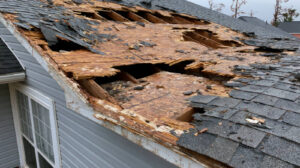
Begin with a thorough damage assessment; check for structural issues, water intrusion, and any debris.
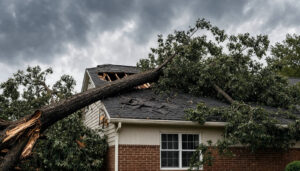
Look around your property for fallen branches or damaged fences, as these could impact your safety and security.
Your immediate response matters.
If you notice significant damage, contact professionals to evaluate the situation further.
Don’t hesitate to reach out to neighbors for support; they might be facing similar challenges and can offer valuable insights.
Document Everything for Insurance Claims
Once you’ve assessed the damage to your home, it’s vital to document everything for your insurance claims.
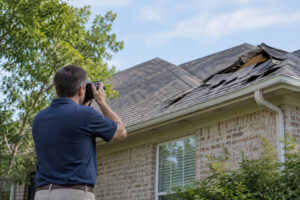
Start by taking detailed insurance photographs of your property, focusing on damaged areas and belongings. Capture multiple angles to provide a complete picture of your losses.
As you go, make a list of what’s been damaged or destroyed—this will help with documenting losses accurately.
Don’t forget to note the date and time of the damage, along with any relevant circumstances. This evidence is significant for your insurance adjuster to understand the full impact of the hurricane.
Keep all receipts for repairs or temporary housing, as these may also be covered.
Prioritize Safety First
After documenting your losses, safety should be your top priority.
In the aftermath of a hurricane, it’s vital to ensure you and your loved ones are well-protected. Start with emergency preparedness and gather your safety gear before you begin any cleanup efforts.
Here are some key safety measures to follow:
Wear protective clothing: Use gloves, masks, and sturdy footwear to shield yourself from hazards.
Check for structural damage: Inspect your home for any unstable walls or ceilings that could pose risks.
Avoid electrical hazards: Don’t touch electrical equipment if it’s wet or submerged; call a professional if needed.
Stay informed: Keep updated with local news for weather updates and safety advisories.
Remove Standing Water Quickly
To prevent further damage and mold growth, it’s crucial to remove standing water as quickly as possible. Standing water hazards, such as electrical risks and structural damage, can complicate your recovery efforts.
Start by evaluating the area and identifying the safest water removal methods. Use a submersible pump for larger pools of water or a wet/dry vacuum for smaller amounts. If it’s safe, you can also use buckets to scoop out water.
Be sure to wear protective gear like gloves and boots, as this will keep you safe from contaminants.
After you’ve removed the water, be vigilant about checking for hidden pockets of moisture.
Dry Out Affected Areas
Once you’ve removed standing water, it’s essential to assess the extent of the water damage in your home.
Use dehumidifiers effectively to pull moisture from the air, and make sure to keep areas well-ventilated to speed up the drying process.
Taking these steps promptly can help prevent mold growth and further damage.
Assess Water Damage Extent
Evaluating the extent of water damage is essential in preventing further issues like mold growth and structural weakening.
When you assess the situation, consider the following steps:
- Identify the source of water exposure to prevent future leaks.
- Inspect materials like drywall, insulation, and flooring for signs of damage.
- Check for hidden moisture behind walls and under floors, as this can compromise structural integrity.
- Document damage thoroughly for insurance claims and future reference.
Taking these steps helps you understand the severity of the damage and informs your next actions.
Use Dehumidifiers Effectively
As you tackle the aftermath of a hurricane, using dehumidifiers effectively can make a significant difference in drying out affected areas and preventing mold growth.
Start by setting your dehumidifier to the proper settings; a range of 30-60% humidity is ideal for moisture control. Place the unit in the most impacted rooms and ensure it’s away from walls and furniture to maximize airflow.
Empty the water reservoir frequently or set up a continuous drain if possible. Don’t forget to monitor the humidity levels regularly, adjusting the settings as needed.
Ensure Proper Ventilation
Ensuring proper ventilation in your home is essential for drying out affected areas after a hurricane. Effective air circulation helps prevent mold growth and further damage.
Here are some ventilation techniques you can use:
Open Windows and Doors: Let fresh air flow through your space, especially on dry days.
Use Fans: Position fans to promote airflow, directing moist air out of windows.
Run HVAC Systems: If safe, use your heating and cooling systems to enhance circulation.
Install Exhaust Fans: Use exhaust fans in kitchens and bathrooms to remove humid air quickly.
Clean and Disinfect Surfaces
After drying out the affected areas, it’s vital to clean and disinfect surfaces to prevent mold growth.
You’ll need some essential cleaning supplies and effective disinfecting techniques to ensure your space is safe.
Let’s explore what you’ll need and how to do it right.
Essential Cleaning Supplies
Cleaning and disinfecting surfaces after hurricane damage is essential to prevent mold growth and ensure a safe environment.
To tackle this task effectively, you need the right cleaning equipment and protective gear. Here’s a list of essential supplies to help you:
Heavy-duty gloves: Protect your hands from harsh chemicals and contaminants.
Face mask: Prevent inhalation of mold spores and dust while cleaning.
Disinfectant solution: Use a solution that kills mold and bacteria effectively.
Scrub brushes: Choose durable brushes to scrub surfaces thoroughly.
Disinfecting Techniques Explained
When tackling the aftermath of hurricane damage, understanding effective disinfecting techniques is crucial for keeping your home safe from mold and bacteria.
Start by selecting appropriate disinfecting agents, such as bleach or hydrogen peroxide, which can effectively kill pathogens. Make certain you follow the manufacturer’s instructions for diluting these agents correctly to maximize their effectiveness.
For surface sanitization, focus on high-touch areas like doorknobs, light switches, and countertops. Use a clean cloth or sponge to apply your disinfecting solution, allowing it to sit for the recommended time before wiping it away.
Don’t forget to ventilate the area while you work to keep the air fresh. With careful attention, you’ll create a safe space for you and your loved ones.
Use Dehumidifiers to Control Moisture
Although hurricane damage can leave your home feeling damp and musty, using dehumidifiers can greatly help control moisture levels.
By effectively lowering humidity, you can create a healthier living environment for you and your family. Here are some tips for ideal dehumidifier placement and moisture control:
Choose the Right Size: Select a dehumidifier that suits your space, ensuring it can handle the moisture load.
Position Wisely: Place it in the most affected areas, like basements or rooms with poor ventilation.
Keep Doors and Windows Closed: This prevents additional moisture from entering while the unit operates.
Regular Maintenance: Clean the filter and empty the water reservoir to keep it running efficiently.
Inspect for Mold Growth
As you begin the recovery process from hurricane damage, it’s vital to inspect your home for mold growth. Mold can develop quickly in damp environments, so act fast.
Start by using mold identification techniques, such as looking for visible signs like discoloration on walls, ceilings, or floors. Pay attention to musty odors, which often signal hidden mold.
Don’t forget to check areas prone to moisture, like bathrooms, basements, or around windows.
If you find mold, it’s important to act immediately. You can use various mold removal methods, including cleaning surfaces with soap and water or specialized mold removers.
For larger infestations, consider removing affected materials like drywall or carpet.
Seek Professional Help When Necessary
When facing extensive hurricane damage, it’s essential to assess the situation thoroughly.
If you notice significant mold growth, consider reaching out to professionals who specialize in mold remediation.
They can also help with managing insurance claims, ensuring you get the support you need.
Assess Damage Extent
Evaluating the extent of hurricane damage is essential for your safety and property recovery.
Being proactive in your storm preparedness can make a significant difference. If you notice extensive damage, don’t hesitate to seek professional help.
Here are four steps to assess the damage:
Inspect Structural Integrity: Check for cracks, sagging, or displacement in walls and ceilings.
Evaluate Roof and Windows: Look for missing shingles or broken glass that could lead to further damage.
Examine Electrical Systems: Confirm there are no exposed wires or water damage to electrical outlets.
Review Insurance Coverage: Understand what’s covered and document damages for claims.
Taking these steps can help you navigate recovery and confirm you’re supported in this challenging time.
Specialized Mold Remediation
Mold can quickly become a serious issue after a hurricane, especially if moisture is left untreated. If you find yourself facing a mold problem, it’s vital to seek professional help. Experts use advanced remediation methods and mold assessment techniques to ensure your home is safe and healthy. Here’s a quick guide to help you understand when to call in the pros:
| When to Seek Help | Why It Matters |
|---|---|
| Extensive mold growth | It can affect your health and safety. |
| Persistent moisture issues | Might indicate hidden structural damage. |
| Uncertainty about mold type | Professionals can identify risks accurately. |
Don’t hesitate to reach out for specialized mold remediation; it’s important for your peace of mind and well-being.
Insurance Claim Assistance
After a hurricane, many homeowners find themselves maneuvering the complexities of insurance claims.
It can be overwhelming, but you don’t have to navigate this alone. Seeking professional help can make a significant difference in your claim process.
Here are some steps to contemplate:
- Gather all necessary insurance documentation, including your policy and any prior claims.
- Document the damage thoroughly with photos and detailed notes.
- Contact your insurance agent to discuss your situation and ask for guidance.
- Consider hiring a public adjuster if your claim is complicated or if you feel underrepresented.
Implement Mold Prevention Strategies
While facing the aftermath of a hurricane can be overwhelming, implementing effective mold prevention strategies is crucial for protecting your home and health.
Start by drying out your home quickly—aim for within 24-48 hours to prevent mold growth. Use fans and dehumidifiers to reduce moisture levels.
Consider using mold-resistant materials, like drywall and paints, during repairs. These materials can greatly lower the risk of mold returning in the future.
Additionally, make certain proper ventilation in areas prone to dampness, such as bathrooms and kitchens.
Regularly inspect your home for leaks and address any plumbing issues immediately.
Finally, create a routine of cleaning and maintaining gutters to prevent water buildup.
By taking these preventive measures, you’re safeguarding your property and contributing to your community’s resilience.
Together, we can face the challenges of recovery and foster a healthier environment for everyone.
Final Thoughts
After a hurricane, you must act quickly to minimize damage and mold growth. By following these tips, you’ll protect your home and safeguard your health. Remember, it’s crucial to stay proactive and informed throughout the cleanup process. Taking swift action today can make all the difference in preventing future issues and ensuring your space remains safe and livable.