
Coincidentally, you might find that ceiling leaks are a common issue in many homes, often leading to mold growth if not addressed promptly. It’s essential to tackle this problem quickly to maintain a healthy living environment. By following specific mold remediation tips, you can effectively minimize health risks and repair damage. Understanding the right steps is crucial, so let’s explore the best practices for managing mold after a leak.
Key Takeaways
Conduct an initial assessment to document damage and identify any structural issues before starting remediation efforts.
Identify and repair the source of the leak promptly to prevent further water intrusion and mold growth.
Remove any contaminated materials, such as drywall or insulation, sealing them in plastic bags for safe disposal.
Use effective mold removal products, following manufacturer instructions for application to ensure safety and thoroughness.
Monitor the area regularly for signs of moisture or mold recurrence, maintaining indoor humidity levels between 30% and 60%.
Assess the Damage Immediately
As soon as you notice a leak in your ceiling, it’s essential to assess the damage right away.
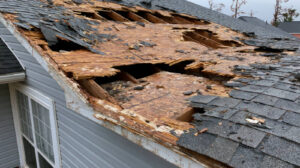
Begin with an initial inspection of the affected area. Look for signs of water damage, such as discolored patches or sagging materials. These indicators can reveal the extent of the problem and help prioritize your next steps.
Check for mold growth, as it can develop quickly in damp conditions, leading to health risks.
During your damage assessment, take note of any structural issues that could compromise safety, like weakened beams or compromised drywall.
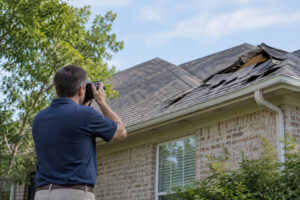
Document everything with photos and notes; this record will be invaluable if you need to file an insurance claim or seek professional help.
Ensure Safety Precautions
Before you start any mold remediation efforts, ensuring safety precautions is essential to protect yourself and others.
Begin by donning appropriate protective gear, including gloves, goggles, and a mask rated for mold exposure. This gear minimizes your risk of inhaling spores or coming into direct contact with contaminated materials.
Next, establish a proper ventilation setup. Open windows and use fans to circulate air, which helps disperse airborne spores and reduces humidity levels.
If feasible, consider using an air purifier with a HEPA filter for added protection.
Additionally, seal off the area with plastic sheeting to prevent cross-contamination in your home. This creates a designated workspace, enhancing both safety and efficiency.
Identify and Fix the Leak
To effectively tackle mold remediation, it’s crucial to identify and fix the leak that caused the issue in the first place.
Start with leak detection methods, such as inspecting your roof, plumbing, and appliances for any signs of moisture or damage. Don’t overlook hidden spots—check behind walls and ceilings.
Once you’ve pinpointed the source, move on to repair solutions. If it’s a roof leak, consider sealing or replacing shingles. For plumbing issues, tighten fittings or replace damaged pipes.
Always use high-quality materials to ensure a lasting fix. Remember, addressing the leak promptly prevents further water intrusion and minimizes mold growth.
By tackling the problem head-on, you create a healthier living environment for yourself and your loved ones.
Don’t let leaks linger; fix them to restore your peace of mind and make sure your home remains safe and comfortable.
Remove Affected Materials
Once you’ve fixed the leak, it’s essential to identify the areas affected by water damage.
Inspect materials like drywall, insulation, and wood for signs of mold or deterioration, as these can harbor contaminants.
Dispose of any contaminated materials promptly to prevent further mold growth and ensure a safe environment.
Identify Damaged Areas
Identifying damaged areas after a ceiling leak is essential for effective mold remediation, as even a small amount of moisture can lead to significant problems.
Start by inspecting the ceiling, walls, and any adjacent materials. Look for discoloration, warping, or peeling paint, which can indicate mold types present due to moisture sources.
Pay attention to areas near vents and windows, as these spots often harbor hidden damage. Don’t forget to check insulation and flooring for signs of dampness.
Remember, prompt identification helps you act quickly, preventing further spread and protecting your home.
Dispose of Contaminated Materials
After pinpointing the areas affected by the ceiling leak, it’s time to address the contaminated materials.
Start by removing any porous items, like drywall or insulation, as they can harbor mold and are difficult to clean thoroughly.
Use proper mold disposal methods to ensure safety; seal these materials in plastic bags to prevent spores from spreading.
For larger items or those heavily contaminated, consult local guidelines on hazardous waste disposal.
It’s essential to handle these materials responsibly to protect your space and community.
Use Proper Mold Removal Techniques
Before you start removing mold, it’s essential to prioritize safety precautions.
This includes wearing protective gear like gloves and masks to avoid inhaling spores.
Once you’re prepared, you can effectively choose and apply the right cleaning agents for the best results.
Safety Precautions First
When tackling mold remediation, you’ve got to put safety first to protect yourself and your home.
Mold hazards can pose serious health risks, so using personal protective equipment (PPE) is essential.
Here are three important safety precautions you should take:
Wear a Mask: A respirator with a HEPA filter will help you avoid inhaling mold spores.
Use Gloves: Protect your skin from mold and cleaning agents by wearing heavy-duty gloves.
Protective Eyewear: Goggles can shield your eyes from irritants and spores.
Effective Cleaning Agents
To effectively combat mold growth, selecting the right cleaning agents is essential for ensuring thorough remediation. You have two primary options: natural cleaners and chemical solutions.
Natural cleaners, like vinegar and baking soda, are often effective and safer for your home environment. They can break down mold without the harsh effects of strong chemicals.
On the other hand, chemical solutions, such as bleach or specialized mold removers, can be powerful for severe infestations but require careful handling and proper ventilation.
When choosing, consider the extent of the mold problem and your personal comfort with these substances. Always follow manufacturer instructions and ensure your safety.
Ultimately, the right choice will help create a healthier living space for you and your loved ones.
Dry the Area Thoroughly
Thoroughly drying the area after a ceiling leak is essential to prevent mold growth and structural damage. If moisture lingers, it creates the perfect environment for mold to thrive.
To effectively use drying techniques, follow these steps:
Ventilation: Open windows and doors to increase air circulation. This helps evaporate moisture quickly.
Dehumidifiers: Utilize dehumidifiers to extract excess humidity from the air. This is critical in rooms with limited airflow.
Heat Sources: Use fans or heaters to speed up the drying process. Aim for a warm, dry environment to inhibit mold growth.
Employ Air Filtration Devices
How can you ensure the air in your home remains free of mold spores after a ceiling leak? One effective solution is to employ air filtration devices.
These devices considerably enhance your air quality by trapping airborne mold spores and other contaminants. When selecting an air purifier, focus on those with high filtration efficiency, particularly HEPA filters, which can capture particles as small as 0.3 microns.
Ensure you position the devices in areas most affected by the leak to maximize their effectiveness. Running them continuously, especially during the drying process, will help you maintain a cleaner environment.
Regularly check and replace filters as needed to sustain peak performance. By integrating air filtration devices into your remediation efforts, you protect your home and create a healthier living space for you and your loved ones.
This proactive approach fosters a sense of community well-being that everyone can appreciate.
Apply Anti-Microbial Solutions
When dealing with mold after a ceiling leak, applying anti-microbial solutions is essential.
You need to choose effective products that target mold spores specifically and follow the application guidelines closely for maximum efficacy.
Additionally, it’s important to monitor the long-term effects to ensure that the mold doesn’t return.
Choose Effective Products
Choosing effective products for mold remediation is essential, especially when applying anti-microbial solutions.
Opting for the right products ensures safety and enhances the effectiveness of your efforts.
Here are three key types of products to take into account:
Mold Resistant Products: These create a barrier against mold growth, making future outbreaks less likely.
Eco-Friendly Solutions: Look for biodegradable or non-toxic options that are safer for your family and the environment.
Anti-Microbial Sprays: These are specifically formulated to kill mold spores on contact and prevent regrowth.
Follow Application Guidelines
Are you ready to effectively apply anti-microbial solutions for mold remediation? Following application guidelines is vital for success. Start by reviewing your compliance checklist to ensure you meet safety and effectiveness standards. Different application methods exist, such as spraying or wiping, and your choice can impact results.
Here’s a quick reference table:
| Application Method | Key Considerations |
|---|---|
| Spraying | Even coverage, distance |
| Wiping | Surface contact, thoroughness |
| Fogging | Large areas, penetration |
Ensure you follow the manufacturer’s instructions for dilution and dwell time. This attention to detail maximizes the solution’s effectiveness and minimizes health risks. Proper application can lead to a healthier living environment for everyone.
Monitor Long-Term Effects
To ensure the effectiveness of your anti-microbial solutions over time, it’s essential to monitor long-term effects after application. This protects your home and secures the long-term health of your loved ones.
Here are three key steps to contemplate:
Regular Inspections: Check for any signs of moisture or mold recurrence, as these can compromise structural integrity.
Air Quality Testing: Utilize air quality tests periodically to identify any hidden mold spores that could impact health.
Document Changes: Keep a detailed record of any observations, noting improvements or deteriorations, to inform future remediation efforts.
Monitor for Future Moisture
While addressing mold issues is critical, keeping an eye on future moisture is equally important to prevent recurrence.
Installing moisture sensors in areas prone to leaks can provide real-time alerts about rising humidity levels. These devices help you stay proactive, allowing you to act before mold has a chance to establish itself again.
Maintaining effective humidity control is essential in this process. Aim to keep indoor humidity levels between 30% and 60%.
Use dehumidifiers in damp spaces, like basements or bathrooms, to help regulate moisture. Regularly inspect potential problem areas, including roofs, pipes, and windows, for signs of leaks or condensation.
Consult With Professionals if Necessary
If you find that mold persists despite your best efforts, consulting with professionals might be the best course of action.
Mold remediation can be complex, and expert consultations can provide the insight you need for effective removal.
Here are three reasons why you should consider professional help:
Thorough Professional Assessments: Experts can identify mold types and hidden infestations that you might overlook.
Advanced Techniques and Equipment: Professionals have access to specialized tools and methods that ensure complete remediation.
Safety and Health Considerations: Mold can pose health risks; professionals can handle hazardous situations safely.
Conclusion
Addressing mold after ceiling leaks requires swift action, careful assessment, and thorough remediation. You need to ensure safety, identify the source, and remove affected materials. You must use effective mold removal techniques and apply anti-microbial solutions. By monitoring for moisture and consulting professionals when necessary, you can safeguard your home and health. Remember, prompt and proactive measures lead to a healthier environment, protecting your space from future mold risks and ensuring lasting peace of mind.