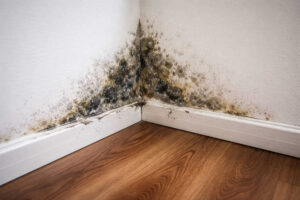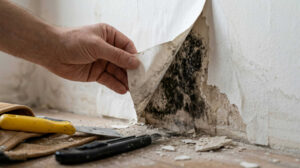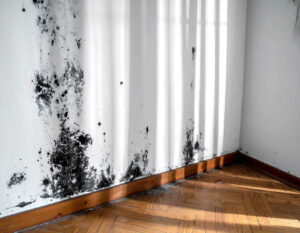
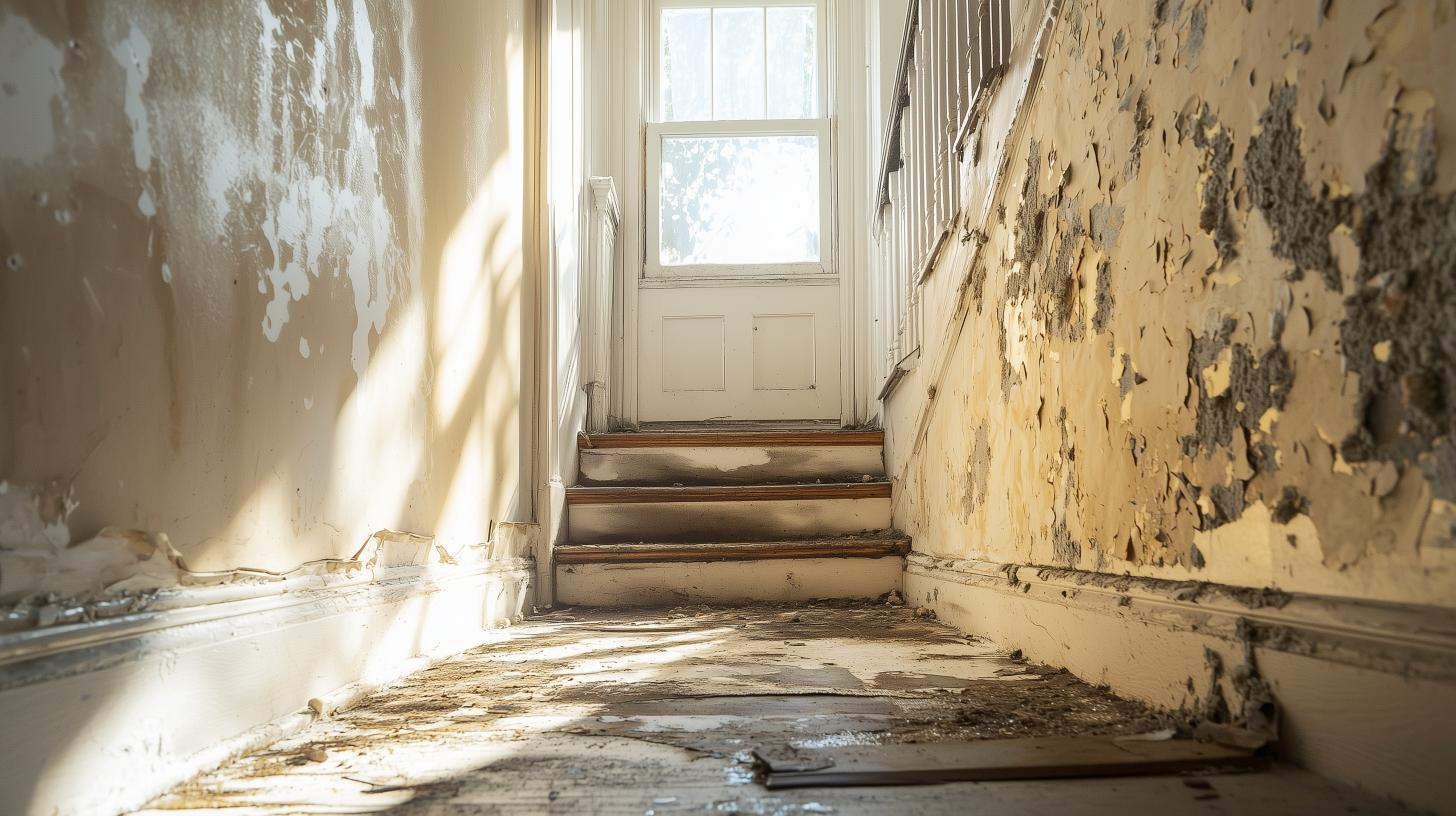
After water damage, removing black mold isn’t just a suggestion—it’s vital. Mold can pose serious health risks, triggering allergic reactions and respiratory issues, especially for sensitive individuals. Beyond health concerns, it can compromise the structural integrity of your home, leading to costly repairs down the line. Understanding the full impact of mold and how to effectively address it is imperative for maintaining a safe living environment. What steps should you take next?
Key Takeaways
- Black mold poses health risks, including respiratory issues and allergic reactions, especially for vulnerable individuals after water damage.
- Mold can cause significant structural damage, weakening materials like wood and drywall, increasing the risk of collapse over time.
- Prolonged exposure to mold can lead to chronic health problems, making early removal essential for safety.
- Effective mold removal prevents future infestations and mitigates damage caused by excess moisture.
- Professional remediation ensures thorough inspection and eradication, addressing underlying water issues for long-term prevention.
Health Risks Associated With Black Mold
Have you ever wondered how black mold can impact your health? Exposure to black mold can lead to a range of health risks, particularly if you’re sensitive or allergic to mold.
Common black mold symptoms include coughing, sneezing, and skin irritation. If you’ve experienced allergic reactions, you might notice more severe effects, such as difficulty breathing or asthma attacks.
Individuals with compromised immune systems or pre-existing respiratory conditions are at an even higher risk. Prolonged exposure can exacerbate these issues, leading to chronic respiratory problems.
It’s essential to recognize these symptoms early and seek medical attention if they persist.
Structural Damage Caused by Mold
When mold infiltrates your home after water damage, it poses health risks and also leads to significant structural damage. The longer you let mold thrive, the more likely it is to compromise your home’s structural integrity. Mold can weaken beams, walls, and flooring, making them susceptible to collapse over time.
Here’s a snapshot of how mold affects various materials and their lifespan:
| Material | Impact of Mold | Mold Lifespan |
|---|---|---|
| Wood | Decay and weakening | Months to years |
| Drywall | Softening and crumbling | Weeks to months |
| Insulation | Reduced R-value | Months |
| Concrete | Surface deterioration | Years |
Addressing mold immediately is essential to maintain your home’s safety and longevity. Protect your investment by acting swiftly to preserve its structural integrity.
Effective Mold Removal Techniques
After addressing the structural damage caused by mold, it’s important to focus on effective mold removal techniques to safeguard your home.
Start by wearing protective gear, including gloves and masks, to prevent exposure. For small areas, a mixture of water and detergent can effectively eliminate mold. Scrub the affected surfaces thoroughly and allow them to dry completely.
For larger infestations, consider using specialized mold removal products that contain fungicides. Confirm proper ventilation during the cleanup process to minimize airborne spores. HEPA vacuums are also essential for capturing mold particles, preventing them from spreading.
Remember to discard porous materials, like carpets or drywall, that can’t be thoroughly cleaned.
Once you’ve removed the mold, check humidity levels in your home and use dehumidifiers if necessary. Following these mold removal and cleanup techniques will restore your space and promote a healthier living environment for you and your loved ones.
Preventing Future Mold Growth
To effectively prevent future mold growth, it’s essential to control moisture levels in your home.
Start by implementing mold prevention strategies such as using dehumidifiers in areas prone to dampness, like basements and bathrooms. Keep indoor humidity below 60% to create an environment where mold struggles to thrive.
Regularly inspect your home for leaks and promptly repair any plumbing issues to minimize water accumulation.
Proper ventilation is vital—ensure that your kitchen and bathrooms are well-ventilated to reduce humidity. Use exhaust fans during and after cooking or showering.
Additionally, consider utilizing moisture-resistant building materials in high-risk areas.
Professional Mold Remediation Services
If you discover a significant mold problem, enlisting professional mold remediation services can be vital for ensuring a thorough and safe removal process.
These experts conduct a detailed mold inspection to assess the extent of the infestation, identifying hidden areas where mold may thrive. By utilizing specialized equipment and techniques, they effectively eradicate mold and prevent its return.
While remediation costs can vary based on the severity of the issue, investing in professional services can save you from future headaches and health risks associated with mold exposure.
Professionals remove visible mold and address underlying water damage, which is essential for long-term prevention. Their expertise ensures that your home is safe and healthy, providing you with peace of mind.
Final Thoughts
Addressing black mold after water damage isn’t just about aesthetics; it’s about safeguarding your health and home. You might think a little mold is harmless, but coincidentally, that small patch could lead to serious respiratory issues or structural damage. By taking prompt action with effective removal techniques, you can prevent a minor inconvenience from evolving into a major hazard. So, don’t wait—ensure a safe, mold-free environment for you and your loved ones today.