Most storm-related property losses can grow worse within the first 24 hours if you don’t act fast. Storm Damage Restoration starts with safely inspecting your home, documenting every visible issue, and stopping water intrusion before it spreads. From there, you can coordinate with your insurer and restoration team to stabilize the structure and plan lasting repairs. The next steps can make the difference between a quick recovery and a costly setback.
Key Takeaways
- Check for hazards first: downed lines, gas leaks, broken glass, standing water, and unstable structures before entering.
- Document all storm damage with photos, videos, timestamps, and notes for your insurance claim.
- Prevent further damage by tarping roofs, boarding windows, and moving valuables away from wet areas.
- Contact your insurance carrier and keep receipts for emergency cleanup and temporary repairs.
- Hire licensed restoration professionals for safe inspections, repairs, and future storm-prevention measures.
What to Do After Storm Damage
After a storm passes, your first priority is safety, so check for hazards like downed power lines, gas leaks, broken glass, standing water, and unstable structures before entering the property.
Once you’re sure the area is secure, contact your insurance carrier and begin documenting visible damage with photos, notes, and timestamps.
If your home has active leaks or exposed openings, arrange temporary protection to limit further loss. Shut off utilities only if you know it’s safe and necessary.
Then call a qualified storm damage restoration team to stabilize the property, remove water, and prevent mold or structural deterioration.
Keep receipts for emergency supplies and repairs. By acting quickly and staying organized, you protect your home, support your claim, and join the many owners who recover with confidence.
Inspect Your Property Safely
Once the immediate hazards are addressed, inspect your property from a safe distance before moving inside.
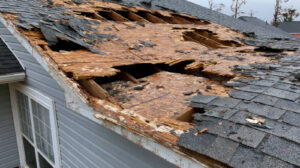
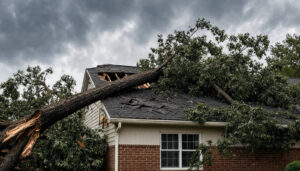
Walk the exterior slowly and look for leaning walls, sagging roofs, broken windows, loose siding, and downed utility lines. If you notice shifting, cracking, or strong gas odors, stay back and call professionals.
Wear sturdy shoes, gloves, and a flashlight so you can see hazards without stepping onto unstable surfaces. Check for standing water, mud, or hidden debris near entrances, since these can mask structural damage.
Inside, move room to room only if ceilings, floors, and stairways appear stable. Avoid overloaded areas and listen for creaking or popping.
You’re not handling this alone; careful assessment helps your recovery team plan the right repairs and protect your household.
Document Storm Damage for Insurance Claims
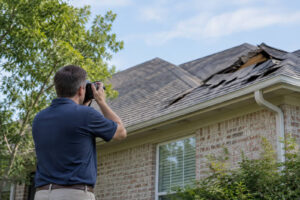
As you begin insurance reporting, document storm damage thoroughly with clear photos, short videos, and written notes that capture every affected area.
Start outside, then move room by room, showing wide shots and close-ups of roofs, siding, windows, ceilings, floors, and personal items. Include timestamps if your device allows it, and save original files in one folder so you can share them easily.
Write down the date, weather, and a brief description of each issue, such as leaks, cracks, or missing materials. Keep receipts for emergency services and temporary purchases.
If you can, create a simple inventory of damaged belongings with estimated values. Your insurer needs a complete record, and this careful process helps your claim move forward with confidence and less stress.
Prevent More Storm Damage
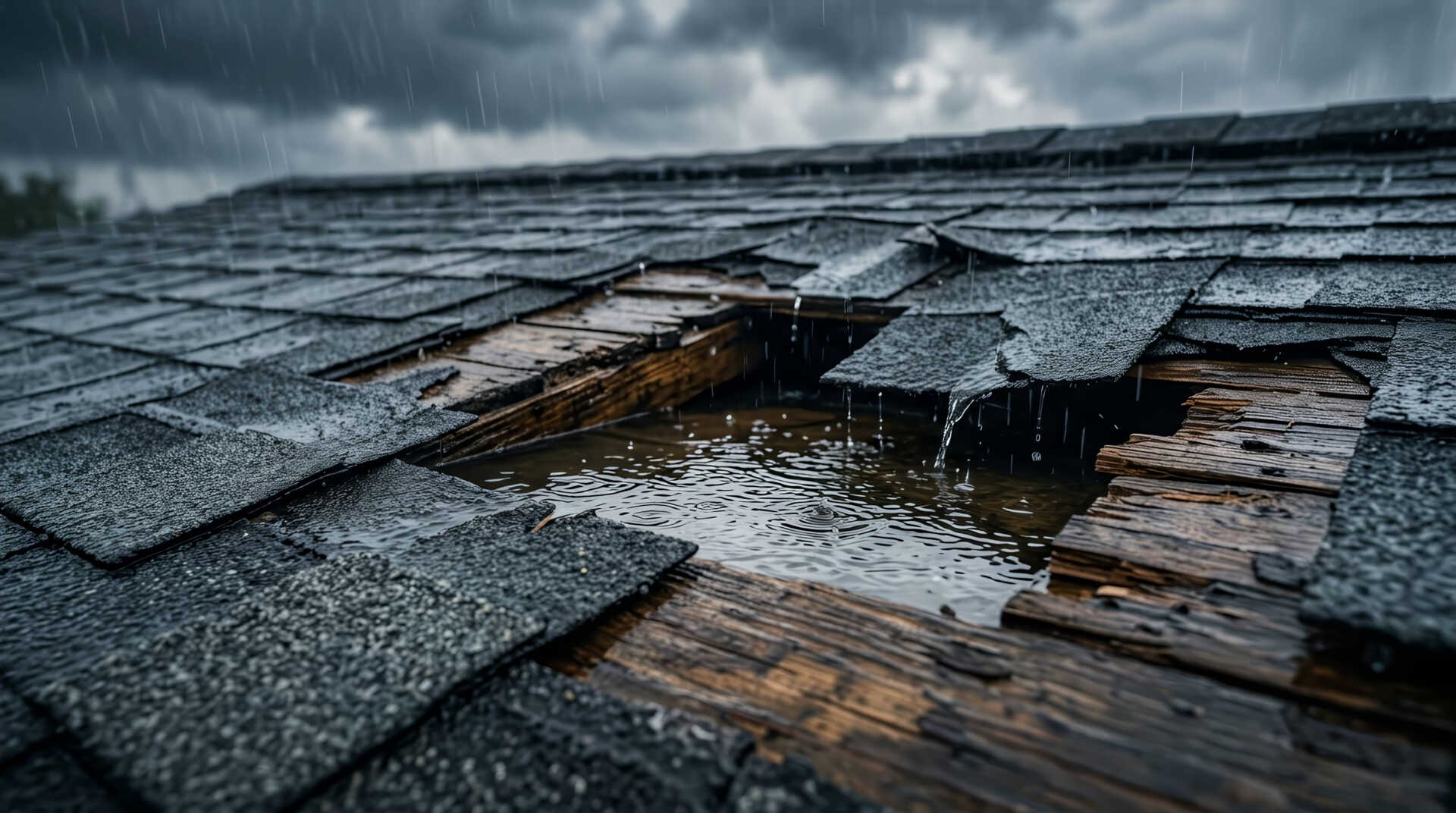
With your damage documented, focus on stopping further harm right away. You can tarp torn roof sections, board broken windows, and tape plastic sheeting over openings to keep rain and debris out.
Move furniture, electronics, and valuables away from wet areas, then lift them on blocks if water’s still present. Shut off electricity to affected rooms if you can do it safely, and avoid standing water near outlets or cords.
Clear loose branches, shattered glass, and unstable items from walkways so your household stays safe. If gutters or downspouts are clogged, remove debris to guide runoff away from the structure.
Keep doors and windows closed when possible to reduce wind-driven moisture. Acting fast helps your property stay stable while you regroup and protect your home together.
Get Professional Storm Damage Repairs
When the immediate hazards are under control, bring in licensed storm damage professionals to inspect the structure and complete repairs.
You’ll get trained eyes on hidden issues like roof membrane failure, framing movement, soaked insulation, and compromised electrical components. They can document damage, explain code requirements, and use proper materials so your home regains strength and safety.
Ask for written scopes, itemized estimates, and repair timelines so you know what happens next. This step helps you avoid patchwork fixes that trap moisture or weaken your property later.
With the right pro, you’re not facing the aftermath alone—you’re joining a team that knows how to restore stability, protect value, and help your space feel whole again.
Work With a Restoration Team
A coordinated restoration team can move your project from emergency cleanup to full recovery fast. You’ll get technicians who assess damage, document losses, and set a clear scope before work begins.
They coordinate drying, debris removal, structural stabilization, and repair sequencing so each step supports the next. You stay informed through regular updates, so you know what’s done, what’s next, and who’s handling it.
That shared workflow reduces delays and helps you avoid missed issues behind walls, under flooring, or in the roof system. When you work with a trusted team, you’re not managing the chaos alone—you’re part of a focused crew built to restore safety, function, and confidence.
Their experience helps your property recover with less stress and better results.
Storm Damage Prevention Tips for the Future
After you’ve restored the damage, the next priority is reducing the chance of future losses. Inspect your roof, gutters, siding, and flashing before every storm season, and seal gaps where wind-driven rain can enter.
Trim trees, secure loose outdoor items, and install impact-rated shutters or film on vulnerable windows. If your area floods, raise utilities, use backflow valves, and keep sump pumps tested with battery backup.
You should also maintain grading so water drains away from your foundation. Review your insurance coverage annually, document your property, and keep an emergency kit ready.
When you plan ahead, you protect your home and strengthen the safety net around your household. That preparation helps you stay confident, connected, and ready when severe weather returns.
Frequently Asked Questions
How Long Does Storm Damage Restoration Usually Take?
It usually takes a few days to several weeks, depending on damage severity, drying time, and repairs. You’ll get faster results when you call pros quickly, secure your property, and document everything.
Can I Stay in My Home During Repairs?
Yes, you can stay if repairs don’t affect utilities, structural safety, or air quality. You’ll need a clear plan, but don’t put all your eggs in one basket; follow your contractor’s guidance and local inspectors.
What Storm Damage Is Covered by Homeowners Insurance?
You’re usually covered for sudden wind, hail, lightning, falling trees, and water intrusion from storm openings. You’ll still need to document damage, prevent further loss, and review exclusions like flood or neglect with your insurer.
Should I Replace or Repair My Damaged Roof?
You should repair it if damage’s localized; replace it if leaks, sagging, or widespread shingle loss exist. Check the theory that small fixes always save money—often they don’t. Get a roofer’s inspection, then choose confidently.
How Do I Choose a Reliable Restoration Contractor?
Choose a reliable restoration contractor by checking licensing, insurance, references, and storm-specific experience. You should compare written estimates, confirm clear timelines, and ask about warranties. Trust contractors who communicate honestly and make you feel supported.
Summary
After a storm, you need to move quickly and carefully. Inspect your property safely, document every issue, and contact your insurer right away. Then, stop further damage with temporary repairs and bring in licensed professionals for lasting storm damage restoration. Think of your recovery like a bridge: each step supports the next until your property is secure again. With steady action and smart prevention, you’ll restore safety, reduce losses, and prepare better for the next storm.