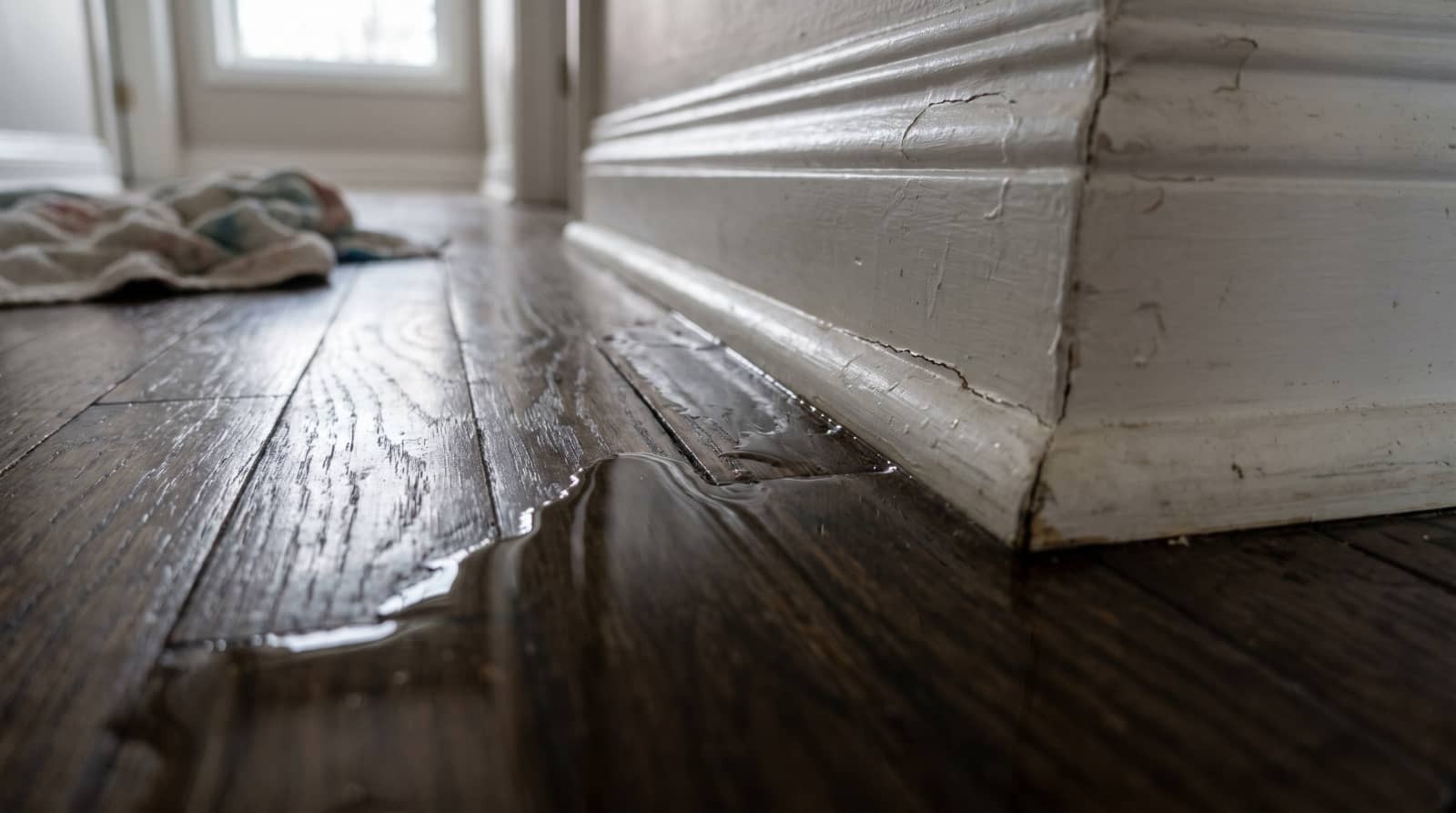
Water damage restoration can take a day or two for a small cleanup, or stretch to two weeks when the damage is deeper. You’ll usually see the clock driven by how fast crews remove water, how much material got wet, and whether moisture is hiding behind walls or under floors. The category of water, the drying setup, and any repair work can shift the schedule fast, and some delays aren’t obvious at first.
Key Takeaways
- Minor water damage cleanup can take 1–3 days, while typical drying and sanitizing jobs take 3–7 days.
- Water-soaked drywall, insulation, or flooring may require 1–2 weeks for full drying and repairs.
- Faster water removal, better airflow, and lower humidity significantly shorten restoration time.
- Contaminated water, hidden moisture, mold, and structural repairs can add days or weeks to the process.
- Daily moisture checks and close communication with the restoration team help confirm when the area is truly dry.
How Long Water Damage Restoration Usually Takes
How long water damage restoration takes depends on how much water got in, how fast it was removed, and what materials were affected.
If you act quickly, minor cleanup can finish in 1 to 3 days. More common jobs, with drying and sanitizing, often take 3 to 7 days.
If water soaked drywall, insulation, or flooring, you may need 1 to 2 weeks for drying and repairs.
You’ll usually see crews inspect, extract, dry, monitor moisture, and then restore damaged areas. The process moves faster when you keep airflow strong and limit use of affected rooms.
When you understand how long water damage restoration takes, you can plan better, stay calm, and work with your restoration team confidently.
The Biggest Factors That Affect Restoration Time
Several variables shape water damage restoration time, and the biggest one is how quickly you remove the water. Fast extraction limits saturation, reduces swelling, and shortens drying.
Material type also matters: drywall, carpet, insulation, and subflooring each hold moisture differently, so you’ll see different timelines. The amount of water and the size of the affected area can extend equipment needs and labor.
Airflow, humidity, and temperature affect how fast dehumidifiers and fans can do their job. Hidden moisture behind walls or under flooring adds time because you need inspection, moisture readings, and repeat checks.
If your space needs demolition, cleaning, or rebuilding, that adds days or weeks. When you act early, you help your team move efficiently and protect the place you belong to.
How Water Damage Category Changes the Timeline
Water damage category directly changes your restoration timeline because Category 1 is clean water and usually dries faster with fewer material losses.
Category 2 introduces contamination, so you’ll need more cleaning, more protection, and longer drying time than with Category 1.
Category 3 is the slowest and most complex, since you’re dealing with heavily contaminated water, broader demolition, and stricter sanitation before repairs can start.
Category 1 vs. 2
Category 1 water damage usually dries and restores faster than Category 2 because clean water creates fewer safety and contamination issues. You can often expect a quicker response, simpler cleanup, and shorter equipment run times when the source is a supply line, appliance, or overflow.
Category 2 adds more work because the water contains more contaminants, so your crew must extract it carefully, clean affected surfaces more thoroughly, and monitor materials longer. That extra step usually extends your timeline by a day or more, depending on how far the water spread.
You’ll move faster when you call a qualified team right away, since early extraction limits saturation and protects the materials you want to keep.
Category 2 vs. 3
When damage shifts from Category 2 to Category 3, the timeline usually extends because you’re no longer dealing with gray water, but with highly contaminated water that requires stricter containment, PPE, source removal, and deeper cleaning.
You’ll often need demolition, not just drying, because porous materials can trap pathogens and odors. That means technicians must isolate the work area, protect adjoining spaces, and remove unsalvageable drywall, insulation, and flooring before rebuilding starts.
In a Category 2 loss, you may see faster stabilization if crews act quickly. In Category 3, expect more inspections, sanitation steps, and clearance checks, which add days and sometimes weeks.
If you stay in close contact with your restoration team, you’ll know what’s next and feel less stressed.
Drying Time for Walls, Floors, and Furniture
Drying time for walls, floors, and furniture depends on how much moisture each material absorbed and how well airflow, heat, and dehumidification are controlled.
You’ll usually see drywall dry in 2 to 4 days, hardwood in 3 to 7 days, and carpet or padding in 1 to 3 days, but thicker assemblies take longer.
You can speed progress by keeping doors open, moving air across wet surfaces, and running dehumidifiers nonstop.
Porous furniture often needs targeted drying, and upholstered pieces may stay damp longer than wood or metal.
Check moisture readings daily so you know when levels return to safe range.
When you stay on top of drying, you protect your home, cut downtime, and keep your space feeling normal again.
Repairs That Extend Restoration Time
Once materials dry, the clock can still keep running if the damage requires structural or finish repairs. You may need drywall cutouts, insulation replacement, subfloor patching, trim work, or cabinet rebuilds before the space feels complete again.
If water warped framing, you’ll also need carpentry, fastening, and alignment checks to restore support and fit. Finish repairs take time too: tape, mud, sanding, priming, painting, and reinstallation of flooring or baseboards each add steps.
Matching existing materials can slow you down, especially in older homes or custom spaces. You’re not just drying a room; you’re restoring a safe, usable place where your household can settle back in with confidence. Each repair task adds labor, scheduling, and cure time.
When Restoration Takes Longer Than Expected
If hidden moisture remains in walls, floors, or framing, you’ll need more drying time before repairs can start.
Structural repair delays can also extend the schedule when damaged materials must be removed and replaced.
If mold is present, you’ll add remediation time for containment, treatment, and final clearance testing.
Hidden Moisture Issues
Hidden moisture can extend water damage restoration well beyond the visible cleanup because it often lingers inside wall cavities, under flooring, and behind cabinets.
You may see dry surfaces and assume you’re done, but concealed dampness keeps materials at risk.
Technicians use moisture meters, thermal imaging, and targeted drilling to locate trapped water, then verify drying with repeated readings.
If readings stay high, you’ll need more dehumidification and air movement before clearance. This stage protects your space, your belongings, and your timeline.
You can help by keeping access open, removing obstacles, and reporting any musty odors or cool spots.
When hidden moisture gets found early, you avoid repeat work and stay on track with your restoration team.
Structural Repair Delays
When water damage has weakened framing, subflooring, drywall, or cabinetry, restoration can take longer because repairs must happen before the space is considered safe and complete.
You may need carpenters, electricians, plumbers, or flooring crews to coordinate before drying work wraps up. If load-bearing materials shifted, your team should verify alignment, fasteners, and support before closing walls.
Delays also happen when custom cabinets, matching trim, or specialty flooring must be ordered.
You can speed the process by approving estimates quickly, clearing access, and asking for a repair schedule upfront.
Stay in close contact with your contractor so you know what’s structural, what’s cosmetic, and what’s next. That clear plan helps you feel informed, supported, and ready for each phase.
Mold Remediation Time
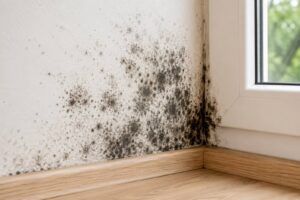
Mold remediation can add days or weeks to water damage restoration once moisture has been present long enough for spores to grow on drywall, insulation, framing, or flooring.
You’ll usually need inspection, containment, removal of contaminated materials, HEPA filtration, cleaning, and post-remediation verification before rebuild work starts.
If growth is limited, you may finish in a few days; if it’s widespread or hidden, expect a longer schedule.
You can shorten delays by calling for service fast, shutting off wet areas, and keeping humidity low.
If your team finds mold behind walls or under floors, they’ll open more surfaces and test until the area is safe.
When you act quickly, you protect your home and stay on track with the restoration plan.
Frequently Asked Questions
Does Water Damage Restoration Affect Indoor Air Quality?
Yes, water damage restoration can improve your indoor air quality by removing moisture, mold, and contaminants. You’ll reduce airborne spores and odors when you dry materials fast, clean thoroughly, and repair affected areas promptly.
Can I Stay Home During the Restoration Process?
Yes, you can stay home if crews isolate the work area and the damage isn’t severe. You’ll need safe access, ventilation, and limited disruption. If mold, sewage, or major demolition’s involved, you should leave temporarily.
Will Insurance Delay the Restoration Timeline?
Usually, yes, if your insurer’s approval lags like a traffic jam. You can speed things up by filing promptly, documenting damage, and staying in close contact with your adjuster and restoration team.
How Often Are Moisture Readings Taken?
You’ll usually take moisture readings daily, sometimes twice daily, until materials stabilize. You’ll track hidden dampness in walls, floors, and cavities, then reduce checks as drying slows, keeping you informed and included throughout.
Do Restored Materials Need Post-Drying Inspections?
Yes—you should inspect restored materials after drying. You’ll verify moisture levels, catch hidden damage, and confirm materials’ stability. That quick check helps you fit in with a fully restored, safe, reliable home.
Review
In most cases, you’ll see water damage restoration wrap up in 1 to 3 days for minor losses, while larger projects can take up to 2 weeks. That range is a useful visual: think of a quick weekend repair versus a two-week rebuild. Your timeline depends on water category, material type, hidden moisture, and drying conditions. If you act fast and stay in close contact with your team, you’ll help keep the job on schedule.