After a storm, you need to act fast: check for immediate hazards, document visible damage, and contact the right professionals. The emergency storm damage cleanup process then moves into safety inspections, board-up and tarping, debris removal, and water extraction. Each step helps reduce the risk of further structural damage and mold growth, but the real work often begins once the obvious damage is addressed and hidden problems start to appear.
Key Takeaways
- Check for immediate dangers like downed power lines, standing water, and unstable structures before entering the property.
- Document all damage with photos and notes, then contact your insurer and an emergency restoration team.
- Secure exposed openings with board-up materials or tarps to prevent further weather damage.
- Remove standing water quickly, dry affected areas, and discard materials that cannot be safely dried.
- Monitor for mold, moisture, and structural issues, and get professional restoration help if conditions stay damp.
What to Do Right After Storm Damage?
After a storm, you should first check for immediate hazards and stay clear of downed power lines, unstable structures, and standing water.
Then document visible damage with photos and short notes so you can support claims and track repairs.
Next, contact your insurer and your local emergency restoration team to start the emergency storm damage cleanup process.
If rain or wind left openings in the roof, doors, or windows, arrange temporary board-up to limit further exposure.
Remove loose debris from accessible areas, but don’t move heavy structural material.
If water entered the building, begin water extraction and set up drying equipment fast.
Acting quickly helps you protect your property, reduce losses, and stay connected with a crew that knows what you’re facing.
Storm Cleanup Safety Checks
Before you start cleanup, check for structural hazards like sagging ceilings, shifted walls, and unstable floors.
Verify electrical and gas safety by shutting off utilities if needed and avoiding any damaged lines, outlets, or appliances.
Then review your protective gear so you’re wearing gloves, eye protection, sturdy boots, and a respirator if dust or mold is present.
Structural Hazard Check
When you begin storm cleanup, check the structure for obvious hazards before anyone enters the area. Walk the perimeter and look for leaning walls, sagging roofs, cracked foundations, and shifted framing.
If you see bowed ceilings, separated joints, or fresh collapse debris, stop work and keep everyone out. Use a flashlight to inspect dark spaces, but don’t move into unstable rooms alone. Mark unsafe areas with tape, cones, or barriers so your crew can stay clear.
Listen for creaking, popping, or shifting sounds, which can signal movement. Stay alert for loose masonry, broken glass, and dangling building components overhead.
If damage looks severe, call a qualified structural professional. You and your team stay safer when you treat every warning sign as real and act fast together.
Electrical And Gas Safety
Even if the structure looks stable, treat electrical and gas systems as live hazards until they’re confirmed safe. You should shut off power at the main breaker only if it’s accessible and dry, then keep out of flooded rooms, downed lines, and damaged panels.
If you smell gas, hear hissing, or see a meter that’s shifted, leave immediately and call the utility from outside. Don’t light matches, flip switches, or start generators indoors.
You and your crew stay safer when you mark hazards, limit access, and wait for licensed utility technicians to inspect service, wiring, appliances, and gas piping. Once they clear the site, you can resume cleanup with confidence, knowing your team belongs in a controlled, safer work zone.
Protective Gear Review
Start with a full protective gear review so you’re not walking into hidden hazards unprotected. You need a hard hat, safety glasses, cut-resistant gloves, waterproof boots, and a respirator rated for dust, mold, and fine debris.
Check each item for cracks, tears, weak seams, and worn soles before you enter the work zone. If you’re handling wet insulation or contaminated materials, add disposable coveralls and chemical-resistant gloves.
Fit matters: loose gear can snag, and tight gear can restrict movement and slow you down. Keep a spare set on hand so your crew stays ready if gear gets soaked or damaged.
When you suit up correctly, you protect yourself, support the team, and move through cleanup with confidence and discipline.
Board-Up and Tarping After Storm Damage
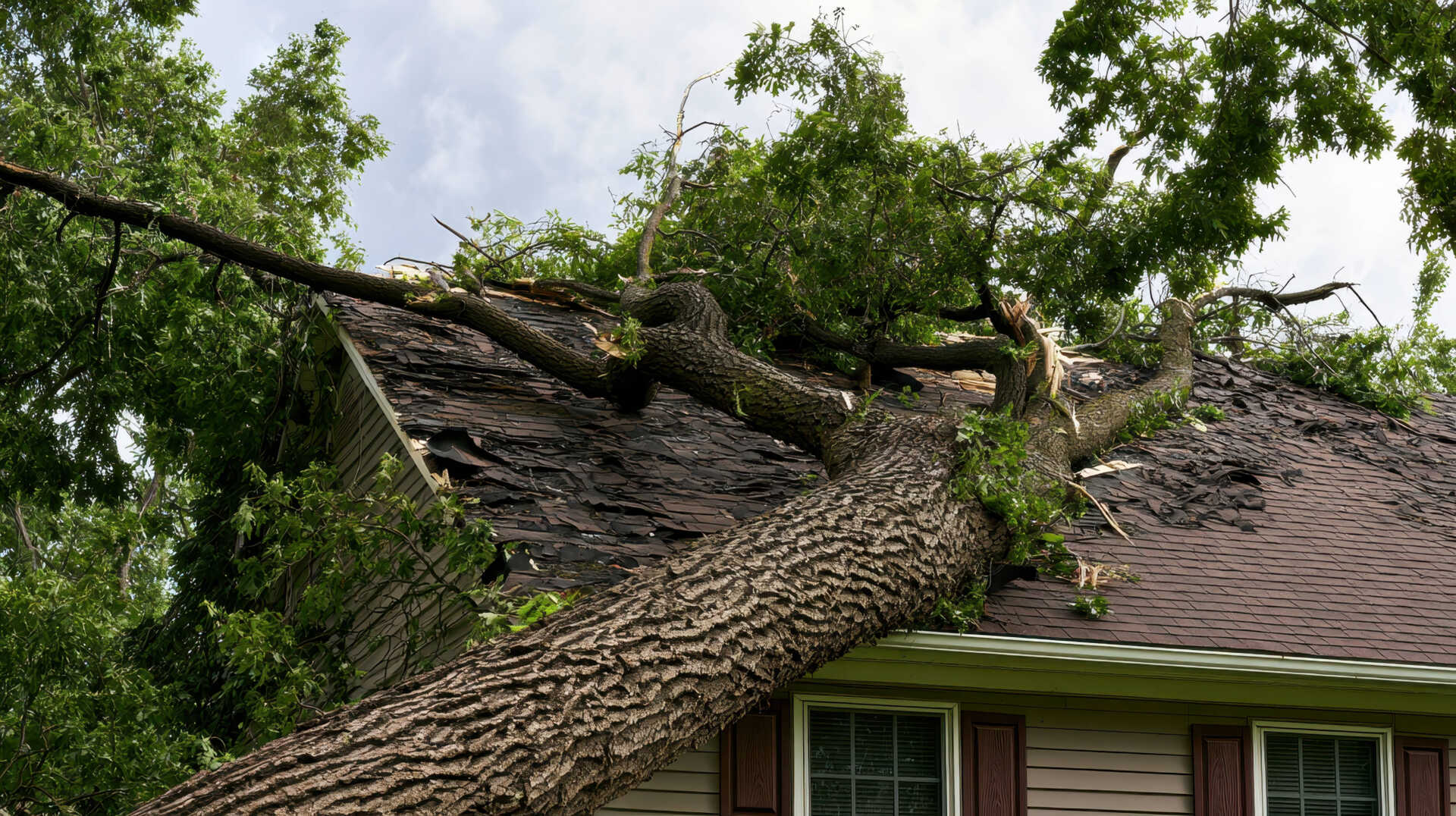
Board-up and tarping secure the property quickly after a storm by closing exposed openings and covering damaged roof sections. You get a tighter, safer envelope that helps your home stay protected until repairs begin.
Crews measure each opening, cut panels to fit, and fasten them to solid framing. They then stretch heavy-duty tarps over compromised roofing and anchor them to resist wind.
- Cover broken windows and doors
- Seal roof breaches with weighted tarps
- Limit interior weather exposure
- Help your property stay stable
You can expect a fast, orderly setup that supports your recovery team and keeps your space from worsening. This step doesn’t fix damage, but it gives you and your property a reliable first line of defense.
Debris Removal During Storm Cleanup
You’ll remove storm debris only after you’ve confirmed the area is safe and you’re wearing proper PPE.
Sort debris into categories like structural material, vegetative waste, and hazardous items so you can handle each one correctly.
Then haul the waste away with approved containers and disposal routes to clear the site efficiently.
Safety During Debris Removal
Before debris removal begins, check for hidden hazards such as loose power lines, sharp metal, broken glass, unstable surfaces, and contaminated materials. You protect yourself and your crew by treating every pile as active risk until you’ve verified it’s safe.
Wear gloves, eye protection, steel-toe boots, and a hard hat. Use tools instead of hands when possible, and keep your footing clear.
- Mark unsafe zones before entry.
- Work in pairs when lifting or moving debris.
- Stop if you smell gas, hear arcing, or see shifting material.
- Keep children and bystanders outside the work area.
Stay alert, communicate often, and follow your site plan. When you move carefully, you help everyone stay safe and keep cleanup on track.
Sorting Storm Debris
Sort storm debris into clear categories so crews can remove it safely and in the right order. Group damaged building materials, branches, insulation, furniture, and personal items separately.
Keep wet materials apart from dry ones, since moisture changes handling needs and can spread contamination. You should also isolate sharp metal, broken glass, and unstable pieces so no one gets injured while working nearby.
Mark anything that may contain chemicals, batteries, or other special waste, and tell your cleanup team right away.
When you sort items this way, you help the crew move faster, protect shared work areas, and keep the site organized. Clear piles also make it easier for your team to track what’s salvageable, what’s compromised, and what needs careful disposal later.
Hauling Away Waste
Once crews separate the debris, they haul it away in a controlled sequence so the site can stay safe and workable.
You’ll see loaders, dump trailers, and roll-off bins move sorted waste off your property fast, while crews keep paths clear for inspections and repairs. They follow local disposal rules, protect reusable materials, and keep hazardous items out of mixed loads. This keeps your cleanup efficient and your team aligned.
- Load debris by type
- Secure sharp or heavy pieces
- Route waste to approved facilities
- Document disposal for your records
You stay informed as each haul reduces trip hazards, odor, and pest risk.
With steady removal, your space opens up for drying, board-up work, and the next repair phase.
Water Removal and Drying
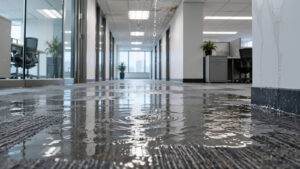
Water removal starts fast to limit further structural damage and mold growth. You’ll see crews extract standing water with pumps, wet vacuums, and weighted tools.
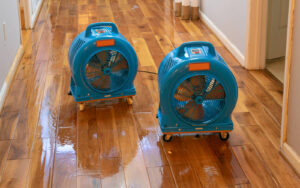
Then check carpets, padding, subfloors, and wall cavities for hidden moisture. They’ll remove soaked materials that can’t dry safely and set up air movers and dehumidifiers to pull moisture from surfaces and indoor air.
Technicians monitor readings with moisture meters and adjust equipment until affected areas reach acceptable levels. You stay informed on what’s being dried, what’s being discarded, and which rooms are safe to reenter.
This step helps protect framing, flooring, and finishes while getting your home back on track. When the numbers drop, drying shifts from emergency response to controlled restoration, keeping your crew focused and your space moving forward together.
Mold Prevention After Cleanup
After cleanup and drying, the focus shifts to preventing mold from taking hold in damp or hidden areas. You’ll want to keep humidity below 60%, because lingering moisture can let spores spread fast.
Run dehumidifiers, open airflow paths, and inspect wall cavities, subfloors, and insulation for trapped wetness. If you spot staining, musty odors, or soft materials, act quickly so your space stays safe and comfortable.
- Monitor indoor humidity daily
- Remove porous items that stayed wet
- Clean hard surfaces with approved disinfectant
- Recheck concealed areas after 24–48 hours
You’re not handling this alone; a careful team approach helps protect your home and your people.
If conditions stay damp, bring in restoration pros before mold becomes a bigger problem.
Frequently Asked Questions
How Long Does Emergency Storm Cleanup Usually Take?
You’ll usually see emergency storm cleanup take a few hours to several days, depending on damage severity. You’ll speed things up with quick access, prompt water extraction, board-up, debris removal, and thorough drying.
Does Insurance Cover Storm Damage Cleanup Costs?
Usually, yes, your policy may cover storm cleanup if the damage is sudden and covered. You’ll still need documentation, and deductibles apply; even if you worry about exclusions, review your coverage quickly and file promptly.
Can I Stay in My Home During Cleanup?
You can stay if your home’s safe, utilities work, and cleanup won’t expose you to hazards. You’ll need to leave during board-up, water extraction, or drying when crews detect structural damage, mold, or electrical risks.
When Should a Professional Restore Damaged Belongings?
You should have professionals restore damaged belongings after you’ve documented losses, removed standing water, stabilized the structure, and completed drying. They’ll clean, sanitize, and evaluate salvageability fast, reducing mold risk and preserving items you value.
What Permits Are Needed for Major Storm Repairs?
You’ll usually need building, electrical, plumbing, and mechanical permits for major storm repairs, and you might need zoning approval too. Skipping them risks delays, but licensed contractors can usually help you file correctly and quickly.
Final Thoughts
After storm damage, you need to act fast: check for hazards, document damage, and call professionals. Do you see broken windows, exposed roofing, or standing water? Then board up openings, tarp damaged areas, remove debris, and start water extraction and drying right away. These steps help protect structural integrity and reduce mold risk. With careful cleanup and ongoing monitoring, you can restore your property safely and move toward recovery.