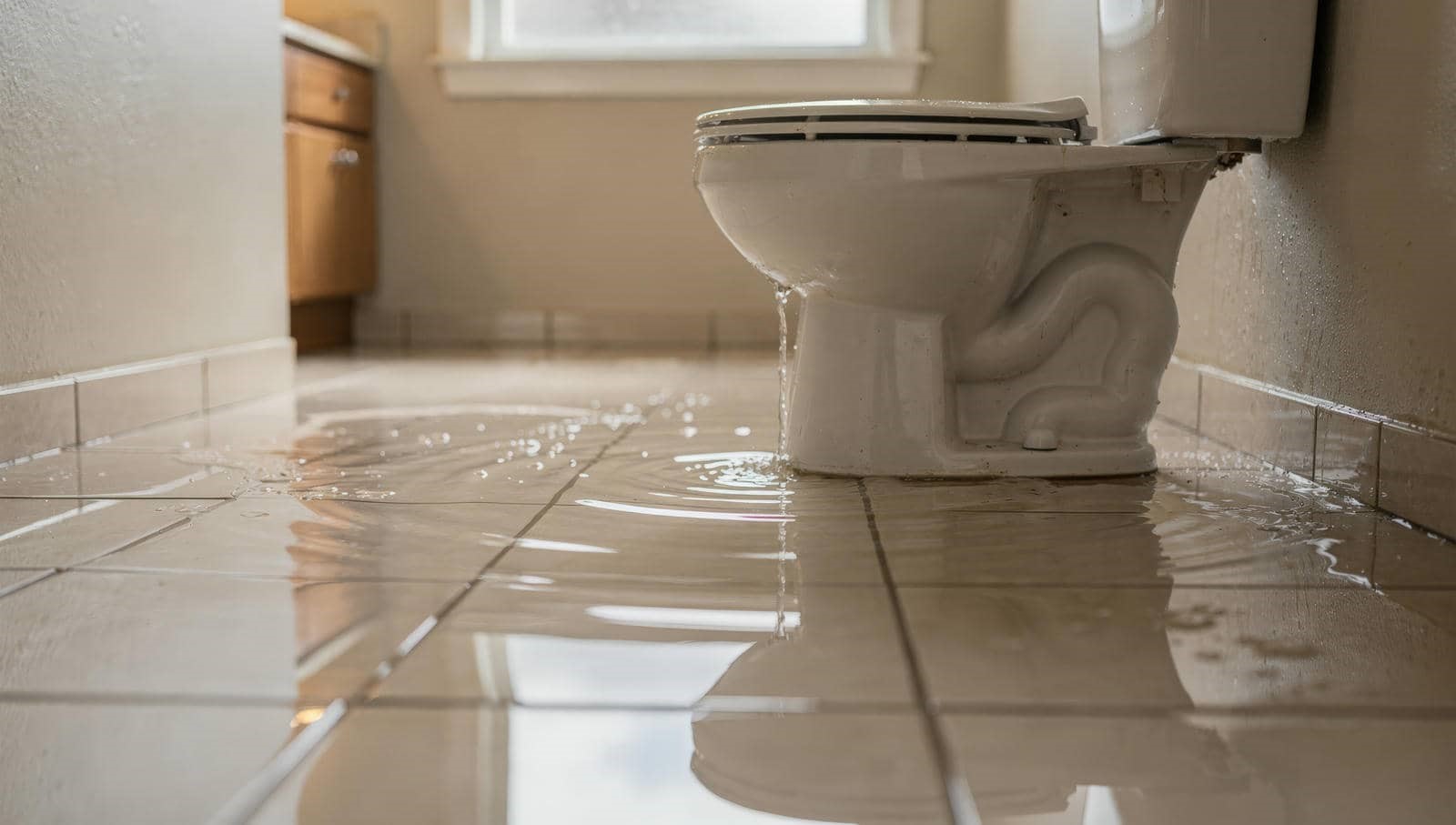
When sewage water enters your home, you need to act fast because every minute increases contamination and structural damage. You’ll first assess whether the sewage water removal job is safe for you to handle, then seal off the area, remove standing water, and discard anything the sewage touched. After that, drying and hidden-moisture checks become critical, but the real risk often stays out of sight.
Key Takeaways
- Stop the sewage source, shut off electricity if safe, and keep everyone out of the contaminated area.
- Seal off the space, wear protective gear, and remove standing sewage water with pumps or wet vacuums.
- Clean all affected surfaces, discard contaminated materials, and apply disinfectant with the required contact time.
- Air-dry the area completely using fans, ventilation, and dehumidifiers to prevent mold growth.
- Inspect hidden spaces for moisture damage, then replace compromised materials and address plumbing issues to prevent future backups.
First Steps After Sewage Water Damage
As soon as sewage water damage occurs, you need to stop the source if it’s safe to do so, keep everyone out of the affected area, and shut off electricity to any wet spaces only if you can reach the breaker without contact with standing water.
Then call emergency contacts, including your utility provider, plumber, and insurer, so you can coordinate fast next steps.
Document the scene with photos before anything is moved, but don’t enter contaminated rooms longer than necessary.
Protect your household from health risks by avoiding direct contact with wastewater, aerosols, and soaked materials.
Open windows if conditions allow, and set clear barriers so your family knows the zone is off-limits.
Stay calm, move decisively, and keep communication tight with everyone involved.
Is Sewage Water Removal Safe to Handle Yourself?
Not always—sewage water removal is only safe to handle yourself if the contamination is very limited, the water is shallow, and you can work without entering a high-risk area.
You need strict safety precautions: shut down affected utilities, avoid splashing, and use only tools that keep your body away from the wastewater.
Wear personal protection, including gloves, boots, eye protection, and a respirator rated for biohazards.
If you smell strong gas, see dark sludge, or have saturated insulation, stop and call a professional immediately.
You’re not overreacting; you’re protecting your crew, your home, and your health.
Even small exposures can spread pathogens fast.
Work fast, stay disciplined, and treat every surface as contaminated until it’s cleaned and disinfected.
Seal Off the Area
Seal off the affected area immediately so sewage doesn’t spread into clean rooms or the HVAC system. You protect your household and support everyone in the space by treating area containment as a first-line safety precaution.
Close doors, post clear warnings, and block access with plastic sheeting and tape. Turn away pets, children, and guests at once.
- You stop cross-contamination fast.
- You keep your team aligned.
- You reduce panic with clear boundaries.
- You create a safer path for cleanup.
If you can, isolate vents and gaps around the door frame. Don’t let air currents move contamination farther.
Your quick action keeps the cleanup controlled, protects shared spaces, and helps everyone feel like they’re facing the problem together, not alone.
Remove Standing Sewage Water Fast
Once the area is contained, remove standing sewage water immediately with a submersible pump, wet/dry vacuum, or professional extraction equipment.
You need rapid extraction to limit spread, reduce saturation, and keep contamination from migrating into adjacent spaces.
Follow emergency procedures: wear gloves, boots, eye protection, and a respirator, then work from the cleanest edge toward the heaviest pooling.
If water level drops slowly, reposition equipment and keep suction steady.
Don’t stir sediment more than necessary, because agitation increases health risks and aerosol exposure.
Maintain ventilation, monitor footing, and keep others out of the zone.
Act decisively as a team; fast removal protects your space, supports recovery, and helps you stay in control during a dangerous event.
Discard Materials Touched by Sewage Water
Discard any porous materials that touched sewage water, including carpets, drywall, insulation, and upholstery, because they can hold contamination.
Separate all contaminated items from clean contents immediately to prevent cross-contamination during handling.
Bag the waste in heavy-duty sealed bags, label it as sewage-contaminated, and move it out for disposal without delay.
Porous Material Disposal
Porous materials that sewage water touches often can’t be fully cleaned, so you need to remove and dispose of them promptly. You protect your home and help your crew by acting fast on drywall, carpet, insulation, and upholstered porous material types.
Use approved disposal methods and follow local waste rules exactly; contaminated items can spread pathogens, odors, and moisture into nearby surfaces. Wear gloves, an N95, and eye protection, then bag debris in sealed plastic.
- You stop hidden microbial growth.
- You reduce lingering odor that isolates your space.
- You keep your household safer together.
- You speed restoration for everyone involved.
Move damaged material out in one controlled pass, and don’t let it sit. Swift disposal signals you’re taking command and protecting your people.
Contaminated Item Separation
As soon as you identify sewage contact, separate contaminated items from clean belongings and move them to a designated discard area. You must act fast to stop cross-contamination and protect the rest of your space.
Use separation techniques that create a clear boundary between salvageable goods and contaminated materials, including furniture, textiles, paper goods, and personal items. Inspect each object under strong light, and treat anything touched by sewage as unsafe until proven otherwise.
Keep clean items in an isolated zone so your team can work with confidence and stay aligned. Label affected pieces clearly, limit handling, and avoid mixing categories.
This disciplined approach supports a safer recovery process and helps you and your household move forward together with control, clarity, and trust.
Safe Waste Bagging
Once you’ve separated contaminated items, bag all sewage-touched waste immediately in heavy-duty contractor bags and seal each bag tightly before moving it. You’re protecting your team by using disciplined waste handling and proven bagging techniques.
Keep bags upright, double-bag anything porous, and don’t overfill; sharp debris can puncture liners and expose you to pathogens. Label each bag as contaminated, then stage it away from clean areas until pickup.
If you work together, everyone stays safer and faster.
- You cut exposure risk for everyone nearby.
- You prevent cross-contamination in shared spaces.
- You keep cleanup crews aligned and focused.
- You reduce the chance of rework and regret.
Clean and Disinfect Contaminated Surfaces
Remove all visible residue from contaminated surfaces first, using water and a suitable cleaning agent to strip away sewage film and debris.
Then apply a disinfectant thoroughly across every exposed area, keeping the required contact time so it can work effectively.
Let the surfaces air dry completely before reuse, since trapped moisture can preserve contamination and delay safe recovery.
Remove Visible Residue
First, clear away all visible sewage residue from hard, nonporous surfaces using disposable towels, scrapers, or absorbent materials, then seal and discard the waste in a heavy-duty bag. You’re protecting your space and the people who rely on it.
Identify residue types quickly: sludge, streaks, and settled debris each need targeted cleaning techniques. Work from clean zones toward contaminated ones to avoid spreading waste. Keep your motions deliberate and controlled, and replace used materials immediately.
- You reduce fear by acting fast.
- You protect your crew by staying precise.
- You reclaim your space with every swipe.
- You signal that your home or facility belongs to everyone who depends on it.
Check corners, seams, and low edges. Stop when surfaces look visibly clean and free of residue.
Apply Disinfectant Thoroughly
Mix the disinfectant exactly to label instructions and apply it to every contaminated hard, nonporous surface so the entire area stays wet for the full required contact time.
You need to choose disinfectant types that match sewage contaminants and surface compatibility, then use controlled application methods that reach seams, corners, and edges without missing contact points.
Work methodically and keep your coverage even; any dry gap lowers efficacy and leaves your team exposed.
Use clean tools, fresh solution, and measured passes so you don’t dilute performance or spread residue.
Stay disciplined, because thorough disinfection protects everyone in the space and helps your crew restore the area with confidence.
Follow the product’s safety data and local cleanup protocols exactly.
Air Dry Completely
Once you’ve disinfected the contaminated surfaces, let them air dry completely before you reopen, reoccupy, or touch anything. You need full drying to stop hidden contamination from spreading through the space.
Maximize air circulation with fans and open windows only if conditions are safe, and keep moisture control tight so damp materials don’t feed odor, mold, or bacteria.
- Protect your crew and household.
- Prevent recontamination of clean areas.
- Reduce the risk of mold growth.
- Restore confidence in the room.
Check walls, floors, and baseboards for residual wetness, especially in seams and corners. If anything still feels damp, wait.
You belong in a space that’s truly safe, not one that only looks clean. Drying isn’t optional; it’s the final barrier before recovery.
Dry the Space to Prevent Mold Growth
Open windows, run fans, and set up dehumidifiers immediately to drive down humidity and stop mold from taking hold. You need steady airflow across every affected surface so moisture can’t linger in carpeting, baseboards, or drywall.
Keep the HVAC off if it recirculates damp air, and empty dehumidifier reservoirs often so performance stays high. Use moisture meters to verify drying progress, not guesswork.
Rotate fans to cover dead zones and keep doors open for balanced circulation. These mold prevention techniques work best when you apply them fast and consistently.
Your moisture control methods should target the whole room, because even small wet pockets can trigger growth. Stay disciplined, because your cleanup team depends on a dry, safe space.
Check for Hidden Damage Behind Walls and Floors
After the visible water is gone, inspect behind drywall, under flooring, and inside cavities for trapped moisture, swelling, and structural compromise. You need to probe seams, baseboards, and penetrations with a moisture meter and flashlight; hidden moisture can linger long after surfaces look dry.
Check wall integrity for soft spots, buckling, staining, and odor, then map every suspect area so you can act fast and stay in control.
- Feel relief when you catch damage early.
- Protect your crew by confirming dry framing.
- Avoid surprise collapse or rot in shared spaces.
- Reclaim confidence by documenting each finding precisely.
If readings stay elevated, open access points and recheck. You’re not dealing with this alone; thorough inspection keeps your space safe, stable, and ready for the next step.
Restore Flooring, Drywall, and Fixtures
Start restoration only after moisture readings confirm the structure is dry. Then remove and replace warped flooring, compromised drywall, and damaged baseboards or trim.
You should select flooring options that match the room’s use, sanitation needs, and subfloor condition, then install them with tight seams and clean connections.
For drywall repairs, cut back to sound material, fasten new board securely, tape joints, and finish surfaces smooth for paint.
Replace soaked insulation, reset fixtures only after you’ve verified they’re clean and stable, and inspect fasteners, caulking, and penetrations for leaks.
Work in sequence, from the floor up, so each layer supports the next.
When you restore carefully, you reclaim a safe, polished space that feels like yours again, without hidden contamination or structural weakness.
Prevent Future Sewage Backups and Flooding
To reduce the risk of another sewage backup, inspect and maintain the main sewer line, drain traps, and cleanouts on a regular schedule. Clear tree roots, grease, and debris before they can block flow. You need preventive measures now, not after water rises again.
Keep up plumbing maintenance, test backflow valves, and verify sump pumps discharge freely. If you smell sewage, hear gurgling, or see slow drains, act fast; those signals warn your home and your household network.
- Protect shared spaces from contamination.
- Stop repeat damage and costly shutdowns.
- Keep your crew safe and confident.
- Restore control before flooding returns.
Schedule annual camera inspections, seal foundation cracks, and confirm gutters send water away from the structure.
Frequently Asked Questions
How Long Does Sewage Cleanup Usually Take?
Usually, you’ll need 1–3 days for sewage cleanup, but severe damage can take longer. You should follow strict safety protocols and cleanup procedures so you and your team stay protected and restore the area fast.
What Protective Gear Is Best for Sewage Exposure?
You need full-body armor: protective gloves, safety goggles, respirator masks, waterproof boots, and protective coveralls. Like a fortress, it shields you from biohazards; use disinfectant solutions immediately after exposure, and don’t cut corners.
Does Homeowner’s Insurance Cover Sewage Damage?
Usually, your homeowner’s insurance covers sewage damage only if you have specific coverage limits and no policy exclusions. You should verify endorsements fast, because standard policies often deny sewer backups and related contamination.
Can Sewage Odors Remain After Cleanup?
Yes, sewage odors can remain after cleanup if you miss sewage odor sources. You’ll need odor neutralization techniques, targeted disinfection, and HVAC inspection fast. Act now so you don’t keep breathing contaminated air.
When Should I Call a Professional Remediation Company?
Call a professional remediation company immediately if you spot sewage, smell persistent odors, or see early signs of contamination; like a hidden flood beneath your home, damage spreads fast. You need emergency response.
Conclusion
You need to act fast: sewage water can begin driving mold growth in as little as 24 to 48 hours. If you catch a backup, shut off the source, seal the area, remove contaminated water, and discard porous materials that were soaked. Then dry every surface, inspect hidden spaces, and restore only after everything is fully sanitized. Don’t wait—every hour increases damage, health risks, and cleanup costs.