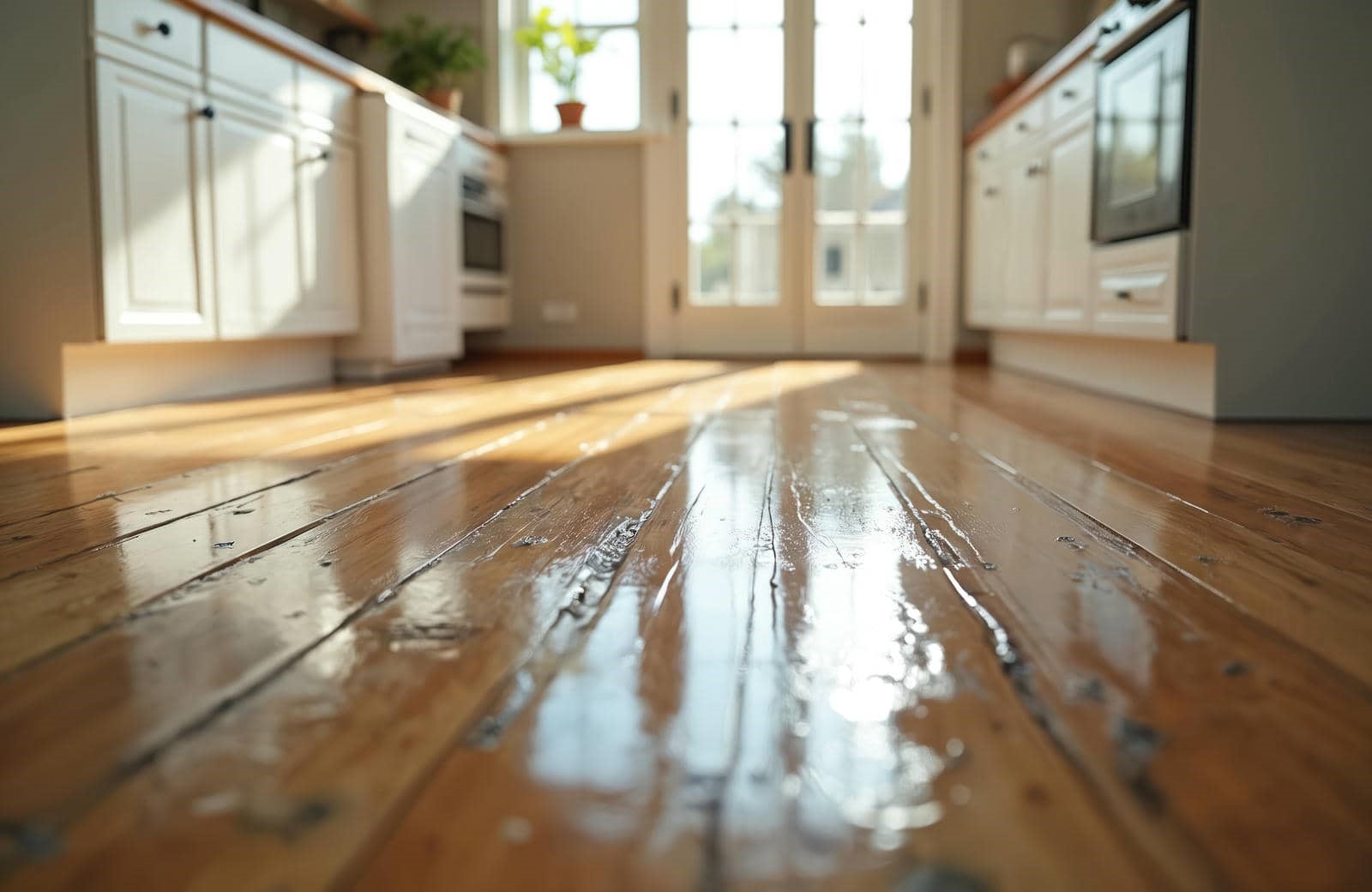
You might think water can wait, but every hour increases the risk of hidden damage. When you act fast, you stop moisture from spreading into floors, walls, and wiring, and you lower the chance of mold and contamination. Quick damage cleanup also helps reduce repair costs and insurance delays. The key is knowing what to remove, what to dry, and when to call in a team that can catch what you can’t yet see.
Key Takeaways
- Fast cleanup prevents standing water from causing mold, corrosion, and structural damage.
- Early leak detection and isolation help stop hidden moisture before it spreads further.
- Rapid water removal protects framing, subfloors, insulation, and other building materials.
- Quick drying and electrical checks improve safety and reduce the risk of fire or contamination.
- Acting fast lowers repair costs, supports insurance claims, and speeds up recovery.
Why Fast Flood Cleanup Prevents Bigger Losses
When floodwater sits, it keeps doing damage, so fast cleanup matters. You protect your home by removing wet materials quickly, because moisture keeps feeding mold, corrosion, and hidden structural decay.
Early action also lowers the chance that you’ll need costly replacements later. In disaster preparedness, speed is part of your plan: you document damage, contact qualified help, and track repairs right away. That record supports insurance considerations, since adjusters often look for prompt mitigation and clear evidence of loss.
You’re not handling this alone; a fast response team helps you stabilize the space and reduce avoidable costs. When you act now, you protect your investment, your routine, and the people who count on your home feeling safe again.
Stop Water Damage Before It Spreads
You need to detect leaks right away so you can isolate the source before water travels farther into walls, floors, and insulation.
Once you spot the issue, remove moisture fast with extraction, air movement, and dehumidification to limit saturation. Acting quickly also helps you prevent structural damage, protect materials, and keep the cleanup manageable.
Immediate Leak Detection
A single hidden leak can spread water damage fast, so act at the first sign of moisture by checking under sinks, behind appliances, around toilets, near water heaters, and along ceilings or baseboards for drips, pooling, stains, musty odors, or warped surfaces.
You can use leak detection technology to pinpoint trouble before it worsens, and smart sensors help you stay one step ahead. When you pair inspections with proactive maintenance, you protect your home and keep your space safe for everyone who lives there.
Tighten fittings, inspect supply lines, and watch meter changes after all fixtures are off. If you notice repeated dampness, call a qualified professional quickly.
Fast detection gives you control, reduces uncertainty, and helps your household feel secure, connected, and ready to respond together.
Rapid Moisture Removal
Once you’ve stopped the leak, remove standing water right away so moisture doesn’t spread into drywall, flooring, and insulation.
You should act fast with proven extraction techniques, such as wet vacuums, pump units, and targeted squeegee work, to pull water out of affected areas.
Then use moisture mapping to find hidden dampness in corners, under baseboards, and beneath flooring. This helps you focus drying where it matters most and keeps you connected to the process, not guessing.
The sooner you remove moisture, the easier it’s to control the cleanup and stay on track with your restoration plan.
You’re not alone in this; quick, organized action gives you a clear path forward and helps protect your space from further spread.
Prevent Structural Damage
After removing standing water, protect the building materials that can trap moisture and weaken fast. You’ll reduce costly structural damage when you act on framing, subfloors, insulation, and drywall before decay starts.
Use preventive maintenance habits now so your space stays strong later, and fold these steps into emergency preparedness so you’re never caught off guard.
- Inspect joists and sill plates for swelling
- Remove wet insulation before it sags
- Ventilate cavities to lower hidden humidity
- Monitor cracks, warping, and soft spots
When you respond quickly, you help your home stay safe and familiar for everyone inside.
Drying, documenting, and repairing in sequence keeps stress down and gives you control. With the right cleanup plan, you’re protecting more than materials—you’re protecting your place and the people who count on it.
Protect Floors, Walls, and Wiring
Protect your floors first by removing standing water and placing barriers under furniture and equipment to reduce staining and warping.
Check walls for swelling or soft spots, and open affected areas only as needed so you can dry the structure without causing extra damage.
Turn off power to any wet circuits and keep wiring dry until a licensed electrician confirms it’s safe.
Floor Surface Preservation
Before you move equipment or start drying, you need to shield floors, baseboards, and nearby wiring from further damage. You can preserve your space by matching protection to the surface materials and the floor treatments already in place. Fast cleanup crews help you act before water wicks under seams or softens finishes, so you’re not fighting avoidable wear.
Lay breathable runners on hardwood and laminate.
Use plastic sheeting over carpeted zones.
Lift cords off wet areas and tape them safely.
Set dehumidifiers to reduce lingering moisture without scuffing surfaces.
With the right setup, you keep your rooms stable, limit cleanup costs, and protect the parts of your home you live with every day.
Wall Structural Protection
Once the floors are shielded, turn your attention to the walls and hidden wiring so moisture doesn’t spread behind finishes or into electrical runs.
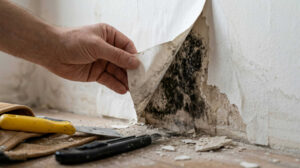
You can protect wall integrity by removing wet baseboards, opening small inspection points, and drying cavities with controlled airflow. When you act quickly, you help stop swelling, staining, and hidden mold growth.
Install moisture barriers where needed to block lingering dampness from migrating into drywall and insulation.
If you spot soft spots, bubbling paint, or warped trim, treat them as warning signs and document them for your cleanup team.
With the right response, you keep your space stable, safer, and easier to restore.
You’re not handling this alone; a skilled crew can help your home feel secure again.
Electrical Wiring Safety
When water reaches wiring, outlets, or junction boxes, shut off power to the affected area and treat every circuit as energized until a qualified electrician confirms it’s safe. You protect your home best by following clear safety protocols and arranging a wiring inspection fast.
In our community of careful homeowners, you’ll want to:
- Keep out of wet rooms.
- Mark damaged breakers clearly.
- Dry floors before reentry.
- Replace corroded devices promptly.
Never reset tripped breakers or use extension cords through standing water. Moisture can hide inside walls, under floors, and in conduit, creating shock and fire risks.
A licensed pro can test insulation, trace faults, and verify grounding. Acting quickly helps you safeguard wiring, reduce downtime, and keep everyone confident while cleanup continues.
Dry the Affected Area Quickly
Set fans to create strong air circulation across walls, floors, and baseboards, and keep doors open where possible. Pair that with dehumidifier usage to pull moisture from the air and speed drying in enclosed rooms.
Check hidden spots, like under sinks and behind appliances, because dampness lingers there. If you act fast, you’ll protect materials, shorten recovery time, and keep your space comfortable for everyone in your home.
Stay consistent, monitor progress, and adjust equipment placement until surfaces feel dry and stable.
Reduce Mold Growth After Flooding
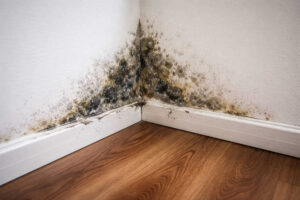
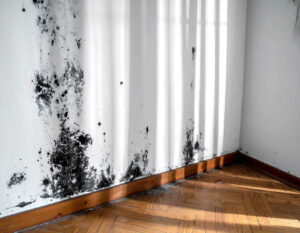
Even after the standing water is gone, you need to move quickly to reduce mold growth because damp materials can start colonizing within 24 to 48 hours.
You’re not alone here; with the right steps, you can protect your space and feel confident again. Focus on mold prevention strategies that target moisture at its source.
- Remove wet drywall and insulation
- Open windows and run fans
- Use dehumidifiers for humidity control methods
- Clean hard surfaces with approved products
Keep indoor humidity below 60%, and monitor hidden pockets behind trim, under flooring, and inside cabinets.
Inspect daily for musty odors or discoloration, then act fast if conditions change.
Keep Sewage and Contaminants Out
If floodwater may have carried sewage, treat the area as contaminated and keep it sealed off until it’s properly cleaned and disinfected.
You protect your household by blocking access, turning off HVAC if needed, and avoiding any contact with porous materials that can trap waste.
Fast water damage cleanup helps you limit sewage exposure before bacteria, viruses, and odors spread through your space.
Wear gloves, boots, and a respirator, and use EPA-approved disinfectants on hard surfaces only after debris removal.
If you notice backups, stained insulation, or foul smells, your contamination risk is higher than it looks.
A prompt response helps you restore a safer home, so your family can return with confidence, not worry.
Lower Repair Costs and Downtime
The sooner you start water damage cleanup, the less you’ll usually spend on repairs and the less time your home stays out of service. You protect materials before they warp, stain, or weaken, and you keep damage from spreading into hidden spaces. That means fewer replacements, faster drying, and better insurance benefits.
You’re also more likely to preserve long term savings when you act before moisture reaches drywall, flooring, or framing.
- Limit structural deterioration
- Reduce mold-related follow-up work
- Shorten drying and restoration time
- Support cleaner claim documentation
When you move quickly, you join homeowners who handle setbacks with control. You keep costs predictable, restore function sooner, and get back to normal with less stress.
How to Choose a Flood Cleanup Team
Choosing the right flood cleanup team helps you protect your property, control costs, and speed up recovery. You should verify team qualifications, including certifications, insurance, and experience with water extraction, drying, and mold prevention.
Ask how they assess damage, document losses, and coordinate with your insurer. Strong flood response strategies include rapid site inspection, moisture mapping, containment, and continuous monitoring until materials reach safe levels.
You’ll also want a crew that communicates clearly and treats you like a partner, not a case number. Check reviews, response times, and equipment quality before you decide.
When you choose a team with proven technical skill and steady support, you join a process built to restore your space efficiently and with less stress.
Frequently Asked Questions
How Soon Should I Call After Discovering Water Damage?
Call right away—ideally within minutes. You’ll get emergency response and rapid damage assessment, which limit spread, protect belongings, and speed recovery. Acting fast helps you feel supported, informed, and back in control.
What Signs Indicate Hidden Moisture Behind Walls?
You’ll notice hidden moisture behind walls by spotting staining, swelling, and musty odors; by checking cool spots, peeling paint, and soft drywall; and by using moisture detection during a wall inspection, you’re protecting your space.
Can Insurance Cover Fast Water Cleanup Services?
Yes, your insurance policies may cover fast water cleanup services if the damage is sudden and accidental. You should review coverage limits, document losses, and call your insurer quickly so you’re not left managing recovery alone.
How Long Does Professional Drying Usually Take?
You’ll usually see professional drying take 3–5 days, though severe cases can feel endless. Crews use drying techniques and drying equipment to speed things up, protect your space, and keep you confident throughout.
What Should I Do Before the Cleanup Team Arrives?
You should shut off water, cut power to wet areas, move valuables, and photograph damage. Use emergency preparedness steps and water damage prevention habits. You’ll help the crew work faster, safer, and feel supported.
Recap
Fast water damage cleanup is your first line of defense, stopping a small leak from turning into a house-wide storm. You protect floors, walls, and wiring, dry the space before mold can take root, and keep contaminants from spreading. Think of it like putting out a spark before it becomes a wildfire. With a skilled cleanup team, you’ll cut repair costs, reduce downtime, and get your home back on solid ground faster.