
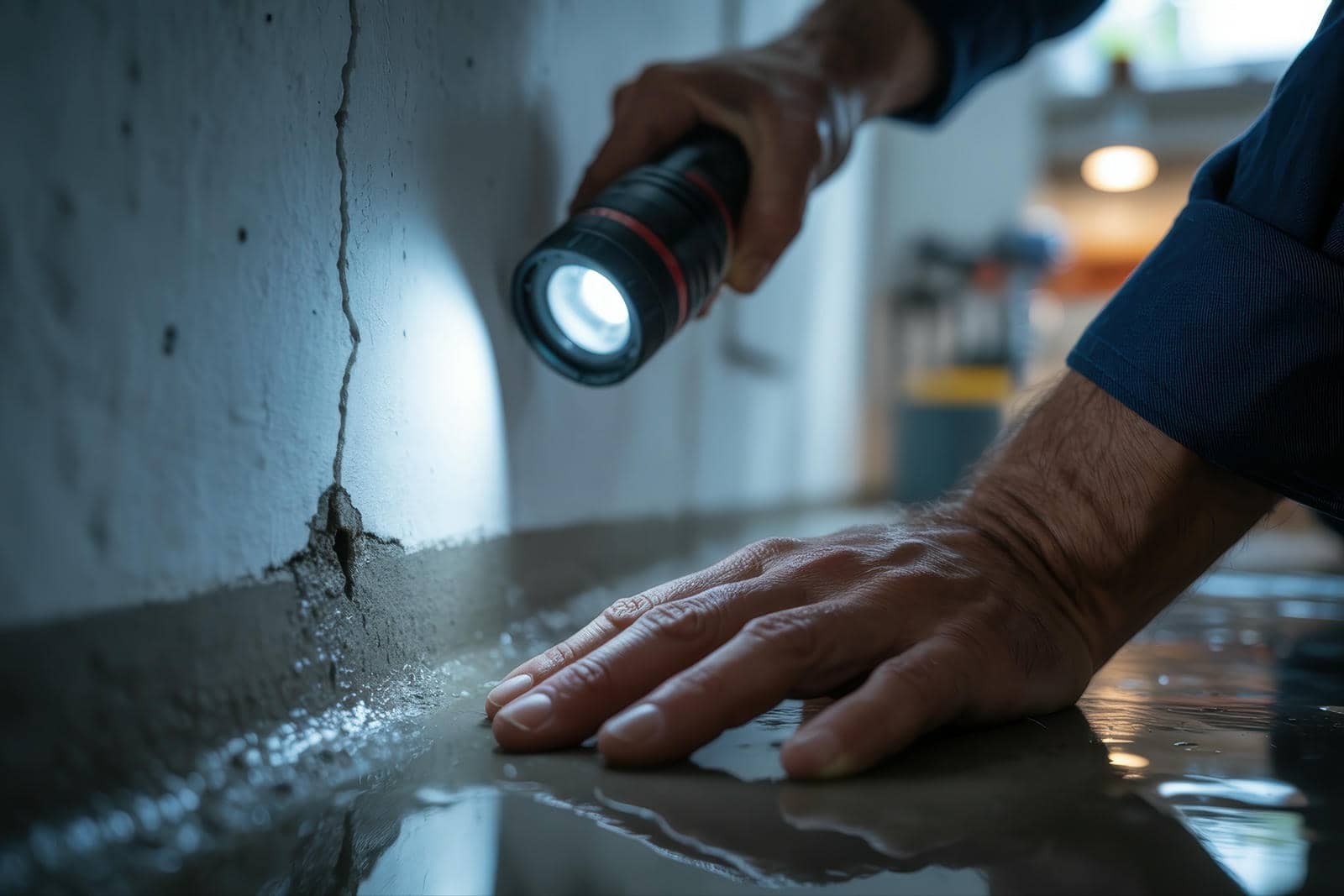
When it comes to evaluating damage assessment, it’s often best to lean on tried-and-true methods. These techniques enhance the accuracy of your evaluations and reduce the chances of oversight. By utilizing established frameworks, you can foster accountability within your team and establish trust with stakeholders. As you consider the implications of your evaluation approach, think about how these factors influence recovery efforts and resource allocation. What’s the next step?
Key Takeaways
- Proven techniques enhance the accuracy of damage evaluations, ensuring reliable assessments for effective recovery planning.
- Established frameworks minimize errors and foster systematic approaches, promoting trust among assessment teams and stakeholders.
- Consistent methodologies streamline communication, improving the conveyance of findings and supporting informed decision-making processes.
- Utilizing proven methods encourages comprehensive engagement with stakeholders, ensuring all relevant perspectives are considered in the assessment.
- Historical data analysis through proven techniques aids in recognizing patterns and improving future damage assessment accuracy.
Understanding the Importance of Accurate Damage Assessment
When you consider the aftermath of any disaster, understanding the importance of accurate damage assessment becomes essential. You need effective damage evaluation to determine the extent of the destruction and prioritize recovery efforts. This process hinges on assessment accuracy; without it, miscalculations can lead to inadequate resource allocation and delayed recovery.
Accurate assessments enable you to identify critical areas requiring immediate attention, ensuring that funds and assistance reach those who need them most. Engaging with communities affected by disasters fosters a sense of belonging, as residents feel heard and valued when their situations are accurately represented.
Moreover, precise damage evaluations help in planning long-term recovery strategies, which are crucial for rebuilding and resilience. By focusing on assessment accuracy, you contribute to a more organized recovery process, ultimately facilitating a smoother shift back to normalcy for everyone involved.
Key Techniques for Assessing Stormwater Damage
When evaluating stormwater damage, you’ll want to employ a combination of techniques to ensure accuracy.
Visual inspection methods can provide immediate insights, while hydrological analysis techniques help quantify the impact on water flow.
Additionally, remote sensing applications offer a broader perspective, allowing you to analyze areas that may be difficult to reach.
Visual Inspection Methods
Five key visual inspection methods can effectively assess stormwater damage, providing essential insights into the condition of infrastructure and surrounding areas.
First, use inspection tools like drones or cameras for aerial visual documentation, helping you identify hard-to-reach areas.
Second, conduct ground-level inspections to evaluate surface conditions and drainage paths.
Third, employ thermal imaging to detect hidden issues, such as water infiltration.
Fourth, utilize color-coded mapping techniques to highlight affected zones clearly.
Finally, ensure consistent documentation of your findings, allowing for comparative analysis over time.
Hydrological Analysis Techniques
To effectively assess stormwater damage, employing hydrological analysis techniques is essential for understanding the movement and distribution of water within a given area.
Hydrological modeling allows you to simulate various rainfall scenarios and their impacts on drainage systems, providing valuable insights into potential damage. By analyzing data on soil saturation, runoff patterns, and water flow, you can pinpoint vulnerabilities in your infrastructure.
Additionally, flood forecasting plays a vital role in preparing for extreme weather events, helping you anticipate potential flooding risks and formulate timely responses.
Implementing these techniques enhances your assessment accuracy and fosters a sense of community resilience, ensuring that you and your neighbors are better equipped to manage stormwater challenges together.
Remote Sensing Applications
Remote sensing applications play an essential role in evaluating stormwater damage by providing high-resolution data from aerial and satellite imagery.
By utilizing remote sensing techniques, you can analyze affected areas quickly and accurately. These methods allow you to assess vegetation health, surface water changes, and land use alterations—critical factors in understanding stormwater impact.
High-resolution satellite imagery offers a thorough view, enabling you to identify damage patterns and monitor recovery over time. The integration of remote sensing data enhances your decision-making process, allowing for more effective resource allocation and planning.
Ultimately, employing these technologies fosters a collaborative environment where you and your community can work together to address stormwater challenges and improve resilience against future events.
Benefits of Using Proven Assessment Methods
While many may overlook the importance of proven assessment methods, leveraging these techniques can greatly enhance the accuracy and reliability of damage evaluations. By utilizing established frameworks, you ensure a systematic approach that minimizes errors and inconsistencies.
This structured methodology not only fosters trust within your team but also promotes a culture of accountability. Engaging in benefit analysis through these proven techniques allows you to identify key areas of improvement in your assessments.
You’ll find that using standardized methods leads to more precise data collection and interpretation, directly impacting assessment accuracy. Additionally, these methods can streamline communication among stakeholders, making it easier to convey findings and recommendations effectively.
Ultimately, adopting proven assessment methods enhances your credibility and supports your decision-making process. When you prioritize accuracy and reliability, you contribute to a shared understanding and foster a collaborative environment among your colleagues and partners.
How Technology Enhances Damage Evaluation
As technology continues to evolve, it greatly transforms how you approach damage evaluation, offering tools that enhance both precision and efficiency.
Embracing technology innovations allows you to leverage advanced assessment tools, streamlining your damage evaluation process. For instance, drones equipped with high-resolution cameras provide aerial perspectives that highlight damage patterns you might overlook on the ground.
Moreover, software applications enable you to collect and analyze data swiftly, ensuring you can make informed decisions based on real-time information.
These tools reduce human error while fostering a collaborative environment, allowing teams to share insights and findings seamlessly.
Common Mistakes in Damage Assessment
Many assessors overlook critical factors during damage evaluations, leading to significant errors in their assessments. One of the most common pitfalls is failing to gather thorough evidence. Relying solely on initial impressions or anecdotal accounts can result in substantial assessment errors.
You might also underestimate the importance of documenting conditions before damage occurs, which can skew your findings.
Another mistake is neglecting to involve all relevant stakeholders. Engaging property owners and local experts can provide insights that enhance accuracy.
Additionally, not utilizing standardized methodologies may lead to inconsistent evaluations, making it hard to compare results across different assessments.
Lastly, failing to continuously update your knowledge on current practices can hinder your effectiveness.
The Role of Professional Expertise in Damage Evaluation
Professional expertise plays an essential role in ensuring accurate damage evaluations, particularly when complex factors are at play. When you engage professionals with specialized knowledge, you gain access to expert insights that can greatly enhance your understanding of the damage landscape.
These experts are well-versed in the latest evaluation standards, which serve as a framework for evaluating damage thoroughly and consistently. Their analytical approach allows for a meticulous examination of each element involved, from structural integrity to environmental impacts.
By relying on their expertise, you mitigate the risk of oversight and improve the reliability of your assessments. This fosters trust among stakeholders and aligns your evaluations with industry best practices.
In a field where precision is paramount, having seasoned professionals on your side ensures that you navigate the complexities of damage assessment with confidence and clarity, reinforcing your commitment to quality and thoroughness.
Case Studies: Successful Damage Assessments
In examining successful damage assessments, you’ll find a range of real-world examples that highlight effective methodologies.
Analyzing these cases reveals the strengths of various approaches and vital lessons learned that can enhance future assessments.
Real-World Examples
While evaluating damage might seem straightforward, real-world applications reveal the complexity and necessity of precise methodologies.
In a recent case involving a flood-damaged residential area, a structured approach allowed assessors to quickly identify structural weaknesses and prioritize repairs. This practical application expedited recovery and fostered community trust, as homeowners felt confident in the assessment process.
Similarly, during a wildfire event, using advanced imaging technologies helped pinpoint affected regions, allowing for efficient allocation of resources.
These real-life scenarios underscore the importance of proven techniques in damage assessment, demonstrating how they create a sense of belonging within affected communities.
Methodology Effectiveness
How do effective methodologies truly shape the outcomes of damage assessments? When you engage in method comparison, you’ll find that certain techniques consistently yield superior results.
For instance, case studies have shown that using a combination of remote sensing and ground-truthing offers a more thorough view of the damage. This approach enhances accuracy and facilitates technique validation through cross-referencing data.
By adopting well-validated methodologies, you create a framework that supports informed decision-making, ultimately fostering a sense of community among stakeholders.
Effective methodologies don’t just improve assessment outcomes; they build trust and collaboration, ensuring that everyone involved feels heard and valued.
Embracing proven techniques paves the way for successful damage assessments, aligning objectives for collective progress.
Lessons Learned
Effective methodologies set a strong foundation for successful damage assessments, and examining case studies reveals key lessons that can enhance future efforts.
By analyzing past assessments, you’ll identify effective strategies that minimize errors and improve accuracy. For instance, a case study on hurricane damage demonstrated that pre-established protocols enabled quicker response times and more reliable data collection.
Another example highlighted the importance of collaboration among agencies, which fostered a thorough understanding of the situation. These lessons learned emphasize the need for clear communication and adaptability in your approach.
Future Trends in Damage Assessment Techniques
What advancements lie ahead in damage assessment techniques? As you look towards the future, emerging technologies like drones and AI-driven imaging are reshaping how assessments are conducted.
These tools enable rapid data collection and analysis, reducing the time needed for on-site evaluations. You’ll find that integrating predictive analytics will further enhance your ability to foresee potential damage, allowing for proactive measures rather than reactive responses.
Additionally, machine learning algorithms will refine damage assessment by analyzing historical data, identifying patterns, and improving accuracy in predictions.
This shift streamlines processes and fosters collaboration among professionals in the field, creating a sense of community as you share insights and strategies.
Frequently Asked Questions
What Qualifications Should I Look for in a Damage Assessment Professional?
Look for professionals with relevant certifications and extensive experience in damage assessment. Their qualifications should include industry-recognized credentials and a proven track record, ensuring they can effectively analyze and navigate complex damage situations.
How Can I Ensure My Assessment Methods Are Up-To-Date?
You’ll want to stay ahead, so keep an eye on current trends and assessment technologies. Regularly update your methods, attend workshops, and network with professionals to ensure your techniques resonate with contemporary practices and standards.
What Are the Costs Associated With Professional Damage Assessments?
Professional damage assessments can range considerably in assessment costs, often influenced by factors like complexity and location. It’s essential to take into account these financial implications when budgeting, ensuring you’re prepared for any unexpected expenses.
Can I Perform a Damage Assessment Myself?
Yes, you can perform a damage assessment yourself. Using self-assessment techniques and DIY evaluation methods, you’ll gain insights into the extent of damage, though professional guidance often enhances accuracy and thoroughness.
How Often Should Damage Assessments Be Conducted?
Imagine a gardener nurturing their plants. You should conduct damage assessments regularly, ideally following frequency guidelines. Aim for assessment intervals every six months, ensuring your environment thrives and remains resilient against unseen challenges.
Wrap-Up
In steering through the aftermath of damage, employing proven techniques is your compass, guiding you through uncertainty. Just as Odysseus relied on his wits to return home, you too can harness these methods to enhance accuracy and foster trust. By embracing technology and expert insights, you streamline your assessments and lay the groundwork for resilient recovery. Remember, the path to rebuilding is paved with informed decisions, ensuring your community emerges stronger from the storm’s wake.