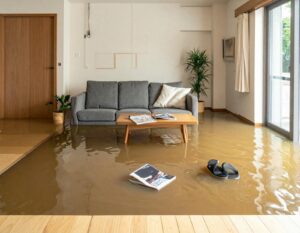
Did you know that mold can start growing within just 24 to 48 hours after flooding? This rapid development poses significant risks to both your property and health. Effective mold remediation techniques are essential to mitigate these dangers and restore a safe environment. Understanding the steps involved can make a critical difference in preventing further damage and ensuring your well-being. What are the key actions you need to take to combat this threat?
Key Takeaways
- Effective mold remediation prevents extensive damage and costly repairs by addressing mold growth quickly after flooding.
- It safeguards the health of inhabitants by reducing the risk of respiratory issues and allergic reactions associated with mold exposure.
- Professional techniques ensure comprehensive mold detection and removal, minimizing the chance of recurring infestations.
- Prompt remediation enhances the overall safety and comfort of the living environment, allowing for quicker re-entry after flooding.
- Utilizing proper mold removal methods and protective gear reduces the likelihood of cross-contamination and protects those involved in the cleanup process.
Understanding the Risks of Mold Growth After Flooding
When flooding occurs, it’s vital to understand the heightened risk of mold growth that can follow. Mold spores are everywhere, and they thrive in environments where moisture sources are abundant.
After a flood, the increased humidity and standing water create perfect conditions for these spores to settle and multiply. You mightn’t see mold instantly, but it can develop within just 24 to 48 hours if moisture isn’t addressed.
Damp materials like drywall, carpets, and insulation can retain moisture, providing a breeding ground for mold. Recognizing the risks early is important.
If you notice a musty smell or visible spots, it’s a sign that mold may already be forming. By understanding how quickly mold can take hold and the sources of moisture that support its growth, you’ll be better prepared to take action and protect your home and health.
The Importance of Quick Response to Water Damage
Although it may be tempting to delay action after a water damage incident, swift response is essential to prevent further complications, including mold growth and structural damage.
When you experience water damage, every hour counts. The longer you wait, the more extensive the damage can become, leading to costly repairs and potential health risks.
An effective emergency response involves evaluating the situation, removing standing water, and drying affected areas promptly.
This proactive approach minimizes moisture, which is a key factor in mold proliferation. By acting quickly, you not only protect your home but also foster a sense of safety and belonging for yourself and your loved ones.
Identifying Signs of Mold Presence
How can you tell if mold is lurking in your home? Identifying mold indicators early can save you from health issues and costly damages. Look for these telltale signs:
-
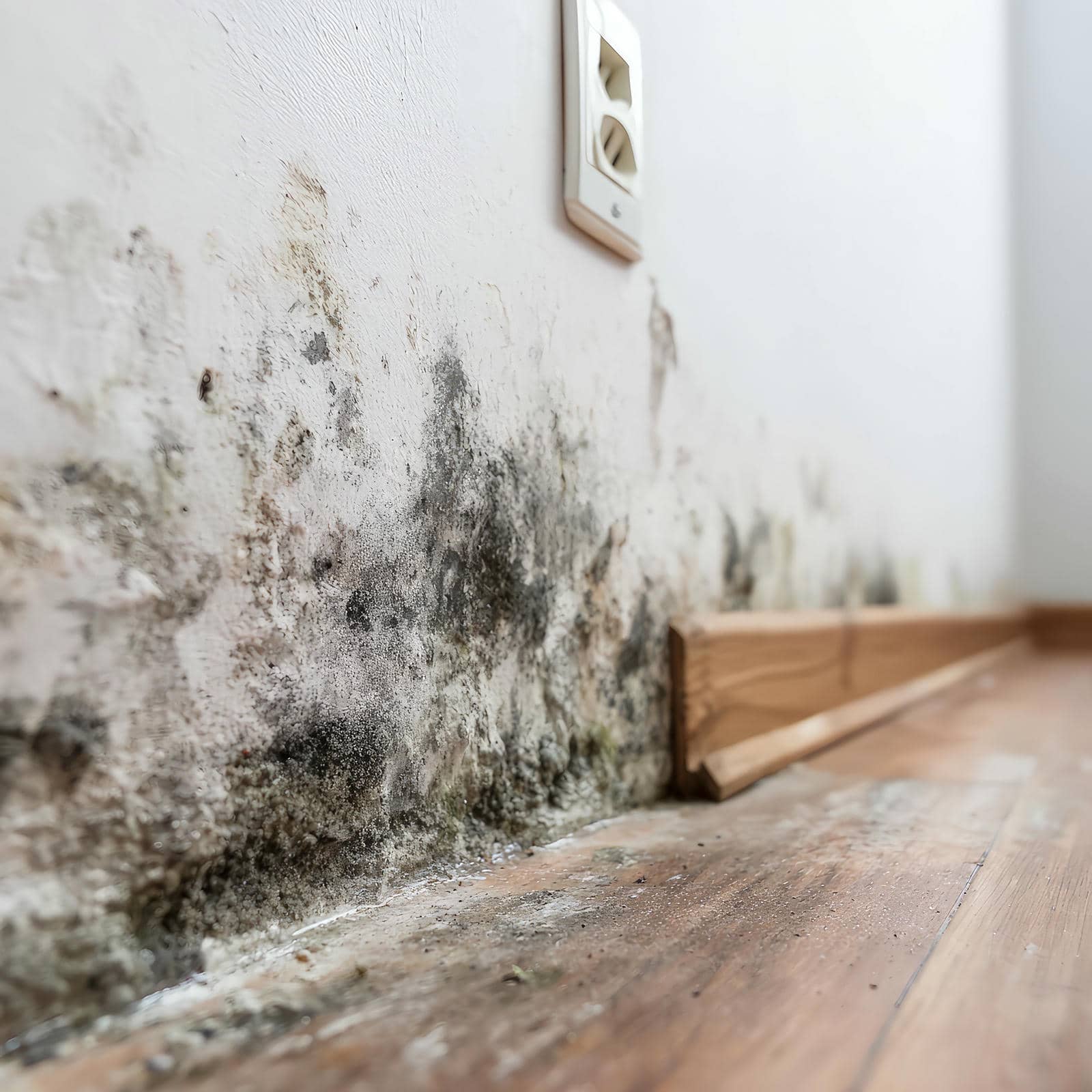
Visible Growth: Dark spots or fuzzy patches on walls, ceilings, or floors.
-
Musty Odor: A persistent damp smell, often signaling hidden moisture sources.
-
Allergic Reactions: Sneezing, coughing, or skin irritations among family members could indicate mold presence.
-
Water Damage: Stains or warping on walls and ceilings, suggesting previous or ongoing moisture issues.
Professional Mold Inspection Techniques
After recognizing the signs of mold presence, the next step involves engaging professional mold inspection techniques to accurately assess the situation.
These experts utilize advanced mold inspection tools, such as moisture meters and thermal imaging cameras, to detect hidden mold growth and moisture issues.
They also employ mold testing methods, including air sampling and surface testing, to identify specific mold types and concentrations.
Effective Mold Removal Methods
When it comes to effective mold removal methods, understanding the distinction between professional services and DIY approaches is essential.
Professional inspection services provide a thorough assessment and targeted remediation strategies, while DIY mold removal tips can offer immediate solutions for minor infestations.
Both options have their merits, and choosing the right one depends on the severity of the mold problem and your comfort level with the removal process.
Professional Inspection Services
While many homeowners attempt DIY mold removal, enlisting professional inspection services often proves to be a more effective strategy.
A thorough mold inspection and professional assessment can uncover hidden issues and guarantee your home’s safety. Here are four key benefits to take into account:
-
Expertise: Trained professionals identify mold types and sources that may go unnoticed.
-
Safety: They use specialized equipment to minimize health risks during the inspection.
-
Comprehensive Solutions: Experts provide tailored remediation plans, addressing both visible and hidden mold.
-
Peace of Mind: Knowing that your home is evaluated by professionals fosters a sense of security for you and your family.
DIY Mold Removal Tips
For homeowners looking to tackle mold issues on their own, understanding effective DIY mold removal methods is vital.
First, identify the source of moisture, as eliminating it is fundamental for long-term success. You can use common home remedies like a mixture of vinegar and water or hydrogen peroxide to treat affected areas.
Apply these solutions directly to the mold and let them sit for at least 10 minutes before scrubbing with a brush. Make sure you wear protective gear, such as gloves and a mask, to keep yourself safe.
After cleaning, ventilate the space to prevent future growth. Regularly checking and maintaining areas prone to dampness can further enhance your mold removal efforts and keep your home healthy and mold-free.
The Role of Containment in Mold Remediation
In mold remediation, establishing a containment barrier is essential for preventing the spread of spores to unaffected areas.
You’ll find that effective containment not only isolates the contaminated zone but also facilitates safe cleanup procedures.
Understanding this role can greatly enhance the overall success of your remediation efforts.
Preventing Mold Spread
Containment is a critical component in preventing mold spread during remediation efforts. By establishing proper barriers, you can minimize the risk of spores traveling beyond the affected area.
Implementing effective mold prevention strategies and ensuring environmental control are essential in this process. Here are four key benefits of containment:
-
Protects Unaffected Areas: Keeps mold spores contained, preventing cross-contamination.
-
Enhances Safety: Reduces exposure to harmful mold particles for you and your family.
-
Improves Efficiency: Streamlines the remediation process, allowing for quicker recovery.
-
Boosts Confidence: Gives you peace of mind knowing you’re taking proactive steps against mold.
Containment Barrier Importance
When addressing mold remediation, implementing a containment barrier is essential to effectively manage the situation. This barrier prevents spores from spreading throughout your home, minimizing the health risks associated with mold exposure.
Using appropriate barrier materials, such as plastic sheeting, guarantees that you’re isolating the affected area. Employing effective containment techniques, like sealing doorways and vents, helps maintain a controlled environment, making it easier to tackle the problem at hand.
Without a robust containment strategy, you risk exacerbating the mold issue and creating a more extensive cleanup process. By prioritizing containment, you’re not just protecting your living space; you’re also fostering a safer and healthier environment for everyone involved.
Safe Cleanup Procedures
Effective cleanup procedures are essential for successful mold remediation, especially in conjunction with a containment strategy.
To guarantee effective mold removal and adopt safe practices, consider these steps:
-
Wear protective gear: Use gloves, masks, and goggles to shield yourself from mold spores.
-
Seal off affected areas: Make sure to contain the space to prevent mold from spreading during cleanup.
-
Use proper cleaning solutions: Select EPA-approved products for effective mold removal.
-
Dispose of contaminated materials: Safely discard items that can’t be cleaned to minimize health risks.
Drying and Dehumidification Strategies
To successfully combat mold growth, implementing robust drying and dehumidification strategies is essential.
Start by evaluating the extent of water damage and then choose the right dehumidifier selection based on the size of the affected area. Consider factors such as the unit’s capacity and efficiency to guarantee effective moisture control.
Once you’ve selected a dehumidifier, position it strategically in the most humid areas to maximize its effectiveness. Use fans to enhance air circulation, which can speed up the drying process.
Monitor humidity levels regularly; ideally, aim to keep them below 50% to inhibit mold growth.
Additionally, remove wet materials promptly, as prolonged exposure to moisture fosters mold proliferation.
Preventing Future Mold Growth
While controlling moisture levels is essential, taking proactive steps to prevent future mold growth is equally important.
You want to create a safe, healthy environment for yourself and your loved ones. Here are four effective strategies you can implement:
-
Use mold resistant materials: When renovating or repairing, opt for mold-resistant drywall and paints. They provide an extra layer of protection against mold.
-
Improve ventilation: Confirm that your home has adequate airflow, especially in high-moisture areas like bathrooms and kitchens. Install exhaust fans to reduce humidity levels.
-
Regularly check for leaks: Inspect plumbing and roofing regularly for any signs of leaks. Early detection can save you from future mold issues.
-
Control indoor humidity: Aim to keep indoor humidity levels below 60%. Use dehumidifiers and air conditioners to maintain this balance.
Health Risks Associated With Mold Exposure
Even with preventative measures in place, mold can still pose significant health risks when it infiltrates your living space.
The health effects of mold exposure can vary widely, but common issues include respiratory problems, skin irritation, and fatigue. If you’re sensitive to mold, you might experience mold allergies, which can trigger sneezing, coughing, and even asthma attacks.
Vulnerable populations, such as children, the elderly, and those with existing health conditions, may face heightened risks. Prolonged exposure can lead to more severe complications, including chronic lung diseases.
It’s vital to recognize these risks early and understand that even small amounts of mold can have harmful effects on your well-being. Addressing mold issues promptly not only protects your health but also fosters a safe, welcoming environment for you and your loved ones.
Being proactive about mold remediation is essential for maintaining a healthy home.
Ensuring Safe Re-Entry After Remediation
Before you re-enter a space after mold remediation, it’s vital to assess the structural integrity of the area to guarantee safety.
Conducting air quality testing will help you confirm that harmful spores are no longer present.
Additionally, wearing personal protective equipment during this process is essential to protect yourself from any lingering contaminants.
Assessing Structural Integrity
Guaranteeing the structural integrity of a building is essential for safe re-entry after mold remediation.
You should conduct thorough structural inspections and building assessments to confirm safety.
Consider these critical factors:
-
Foundation Stability: Check for cracks or shifts that could lead to problems.
-
Wall Integrity: Look for bulging or water damage that may compromise support.
-
Roof Condition: Inspect for leaks or sagging that could pose hazards.
-
Floor Safety: Ascertain floors are level and free from dangerous gaps.
Air Quality Testing
Once mold remediation is complete, air quality testing is essential to confirm that the environment is safe for re-entry. You’ll want to utilize effective testing methods to measure mold spores and contaminants in the air.
Common techniques include spore traps, air sampling, and surface testing, each providing valuable insights into the air quality of your space. By analyzing the results, you can determine if additional remediation is necessary or if it’s time to return.
Personal Protective Equipment
When you’re ready to re-enter your home after mold remediation, wearing the right personal protective equipment (PPE) is crucial for your safety.
Following PPE guidelines not only protects you but also helps maintain a sense of community and belonging during this challenging time.
Here are four essential equipment types you should consider:
- N95 Respirator: Filters airborne mold spores, safeguarding your lungs.
- Gloves: Chemical-resistant gloves prevent skin contact with mold and cleaning agents.
- Protective Eyewear: Shields your eyes from irritants and debris.
- Coveralls: Guarantees your clothing remains uncontaminated, easing your mind.
Using appropriate PPE not only enhances your safety but also reassures your loved ones that you’re taking responsible steps to protect your health.
Frequently Asked Questions
How Long Does Mold Remediation Typically Take After Flooding?
Mold remediation typically takes one to five days, depending on the extent of mold growth and the remediation timeline. Quick action helps minimize health risks and property damage, ensuring a safer, healthier environment for you.
Can I Handle Mold Remediation on My Own?
You can handle mold remediation on your own, but it’s risky. DIY mold removal may expose you to health risks. If you’re unsure, consider hiring professionals to guarantee thorough and safe remediation.
What Are the Costs Associated With Professional Mold Removal?
Professional mold removal costs typically range from $500 to $6,000, depending on the severity and area affected. Investing in these services guarantees thorough treatment and minimizes future health risks, creating a safer environment for you and your loved ones.
Will My Insurance Cover Mold Remediation Expenses?
Only about 30% of homeowners’ insurance policies include mold remediation coverage. You’ll want to check your policy’s coverage limits, as they vary widely, potentially leaving you to cover significant expenses out-of-pocket if mold arises.
How Can I Tell if Mold Is Completely Removed?
You can tell if mold’s completely removed by conducting mold testing and monitoring air quality. If test results show no mold spores and air quality improves, you’ve likely succeeded in eliminating the problem effectively.
Conclusion
In summary, using effective mold remediation techniques after flooding is like putting on a protective shield against health risks and structural damage. By responding quickly, identifying mold signs, and employing professional methods, you can safeguard your home and loved ones. Remember, mold thrives in damp conditions, so drying out and dehumidifying your space is crucial. Don’t let mold take root—act decisively to guarantee a safe, healthy living environment for years to come.