When it comes to mold remediation in commercial properties, understanding the right strategies is essential. It’s not just about cleaning; it’s about preventing future growth and ensuring a safe environment for everyone. Identifying moisture sources and implementing effective containment measures play key roles in this process. But what other strategies can you adopt to maintain a mold-free space? Let’s explore some of the best practices that can make a significant difference.
Key Takeaways
- Identify and address moisture sources promptly to prevent mold growth in commercial properties.
- Implement containment measures using barriers and negative air pressure to control mold spread during remediation.
- Utilize HEPA filters to enhance air quality and capture mold spores effectively during the cleanup process.
- Conduct regular inspections every six months to detect potential mold issues early and ensure accountability.
- Foster a culture of awareness among staff, encouraging immediate reporting of mold concerns and ongoing training in mold identification.
Identify the Source of Moisture
Before you can effectively address mold remediation in commercial properties, it’s essential to identify the source of moisture.
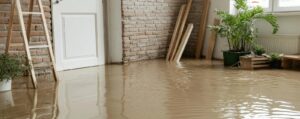
Understanding moisture sources is vital, as mold thrives in damp environments. Start by investigating areas prone to leaks, such as roofs, plumbing fixtures, and windows.
Utilize leak detection tools like moisture meters and thermal imaging cameras to pinpoint hidden issues.
Check for condensation in HVAC systems, as this can contribute to excess moisture.
Pay attention to poorly ventilated spaces, where humidity levels can rise unchecked.
Conduct a Thorough Assessment
Once you’ve identified the moisture sources, conducting a thorough assessment of the affected areas is essential for effective mold remediation.
Start by using reliable mold detection methods, such as thermal imaging or moisture meters, to pinpoint hidden mold growth. These assessment tools can help you identify areas with elevated moisture levels that may not be visible to the naked eye.
Inspect walls, ceilings, and HVAC systems, as mold often thrives in these environments. Document your findings meticulously, noting the extent of the mold growth and any potential health risks associated with it.
Engaging a professional mold assessor can provide an objective view, ensuring you don’t overlook any critical issues.
Implement Containment Measures
Implementing effective containment measures is vital to prevent the spread of mold spores during the remediation process. By establishing containment barriers, you restrict the movement of spores to unaffected areas, safeguarding both your property and the health of those inside.
Use plastic sheeting to create airtight zones around the remediation site, sealing off doors and vents to minimize air quality issues.
It’s essential to monitor air quality throughout this process. Employing negative air pressure systems can help ensure that any airborne spores are contained within the affected area, reducing the risk of cross-contamination.
Remember, these measures protect the workspace and foster a sense of safety and well-being among employees and clients.
Incorporating these containment strategies makes a significant difference in the effectiveness of mold remediation. Prioritize them to create a healthier environment for everyone involved.
Use High-Efficiency Particulate Air (HEPA) Filters
To effectively manage air quality during mold remediation, using High-Efficiency Particulate Air (HEPA) filters is a key strategy. HEPA filters are renowned for their effectiveness in trapping 99.97% of particles as small as 0.3 microns, including mold spores, dust, and other allergens.
By incorporating HEPA filters into your remediation process, you greatly enhance air quality, minimizing the risk of mold spores spreading throughout your commercial property.
It’s vital to position HEPA filters strategically in areas where mold is present. This ensures that air circulation is optimized, allowing the filters to capture contaminants efficiently.
Regularly maintaining and replacing these filters is essential to uphold their effectiveness, as clogged filters can hinder airflow and reduce performance.
Employ Professional Mold Removal Techniques
When tackling mold issues in commercial properties, employing professional mold removal techniques is essential for ensuring effective and thorough remediation. You’ll want to contemplate hiring certified professionals who hold relevant professional certifications.
These experts are trained in the latest mold removal technologies, which can greatly enhance the remediation process. Using advanced techniques eliminates mold and prevents future outbreaks.
Professionals assess the extent of the contamination, identify the source of moisture, and use specialized tools to contain and remove the mold safely. This approach minimizes disruption to your business and protects the health of your employees and clients.
Additionally, certified specialists adhere to industry standards, ensuring compliance with safety regulations. By investing in professional mold removal techniques, you affirm your commitment to maintaining a safe and healthy environment for everyone in your commercial property.
Your dedication to quality will foster trust and loyalty among your stakeholders.
Clean and Disinfect Affected Areas
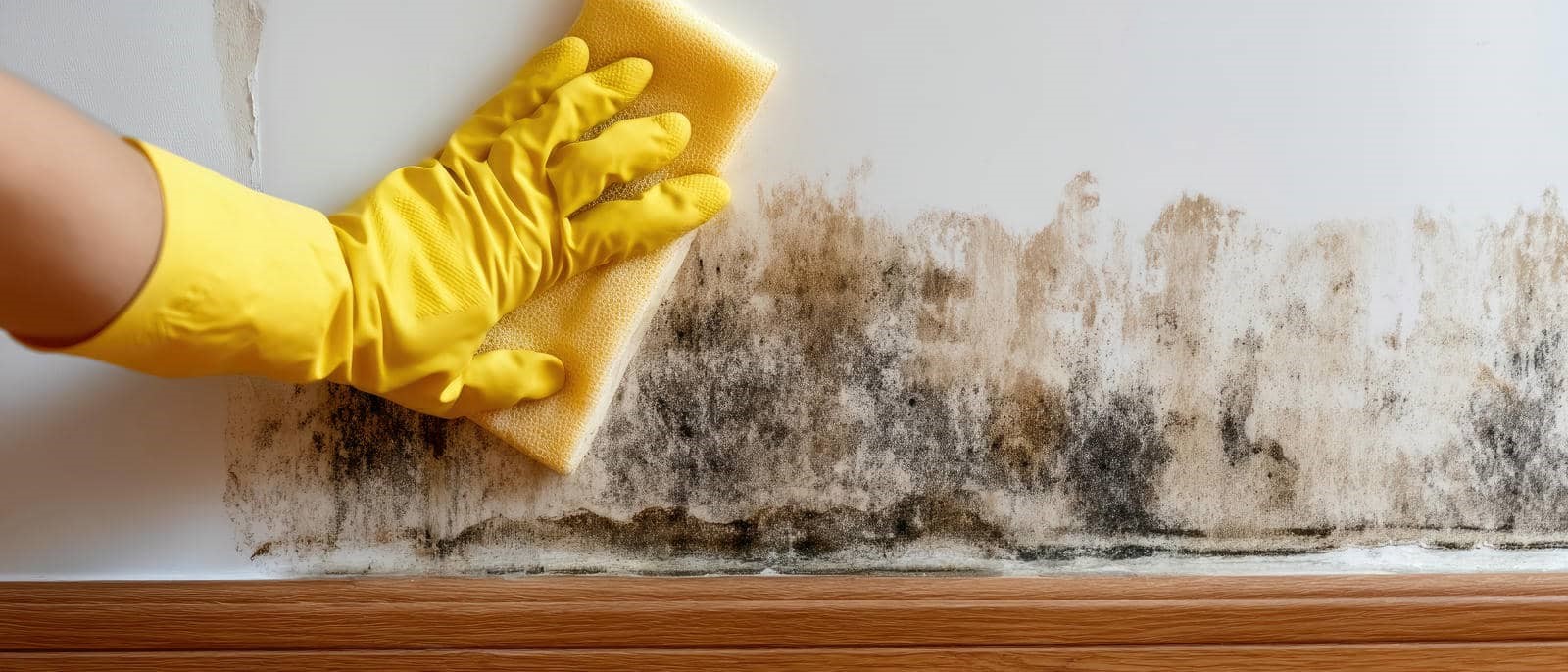
After identifying and removing mold, it’s vital to clean and disinfect the affected areas to prevent any remaining spores from causing future problems.
Start by using effective cleaning products designed specifically for mold remediation. Look for EPA-approved options that can eliminate spores without leaving harmful residues.
Next, employ targeted disinfection techniques, such as fogging or wiping surfaces with antimicrobial solutions. Make sure you cover all surfaces, including hard-to-reach areas, to ensure thorough disinfection.
Pay special attention to porous materials, as they can retain spores despite your best efforts.
It’s also important to ventilate the space during this process to minimize moisture buildup, which could encourage mold regrowth.
Finally, after cleaning, monitor the areas regularly to confirm your efforts are effective.
Repair and Restore Damaged Materials
Repairing and restoring damaged materials is essential for ensuring the long-term integrity of your commercial property after mold remediation. You’ll want to assess the extent of the damage first.
In some cases, material replacement is unavoidable, particularly for severely affected items like drywall or carpeting. However, many materials can be salvaged with effective restoration techniques.
For instance, wooden structures can often be cleaned and treated with antimicrobial solutions to eliminate lingering spores. When you choose to restore rather than replace, you save costs while preserving the character and structure of your property.
It’s vital to use high-quality materials and methods during the restoration process to ensure durability. By prioritizing these strategies, you can create a healthier environment for your occupants while maintaining the value of your investment.
Monitor and Control Humidity Levels
Humidity control is a critical component in preventing mold growth in commercial properties. By actively monitoring and managing moisture levels, you can create an environment that discourages mold development.
Begin by utilizing hygrometers to measure indoor humidity, aiming to keep levels between 30% and 60%. Implementing dehumidifiers can also be effective, especially in areas prone to dampness.
Confirm that your HVAC systems are regularly maintained to promote proper air circulation, which helps in moisture management. Additionally, be vigilant about any leaks or water intrusion, addressing them promptly to avoid excess moisture accumulation.
By fostering a proactive approach to humidity control, you safeguard your property and protect your employees and customers from potential health risks associated with mold.
Educate Staff on Mold Prevention
While maintaining a mold-free environment is crucial for the health of your commercial property, educating your staff on mold prevention plays an essential role in this effort.
Start by fostering mold awareness among your team. Make sure they understand the conditions that promote mold growth, such as excess moisture and poor ventilation. Incorporate regular prevention training sessions to keep everyone informed about best practices, including prompt reporting of leaks and spills.
Encourage your staff to actively identify potential mold issues and take ownership of their environments. Provide them with accessible resources, like checklists and guidelines, to reinforce their training.
Schedule Regular Inspections and Maintenance
To maintain a mold-free environment in your commercial property, scheduling regular inspections and maintenance is essential.
Establishing an appropriate inspection frequency—typically every six months—ensures you catch potential mold issues early. Create a detailed maintenance checklist that covers critical areas such as plumbing, HVAC systems, and moisture-prone locations like basements or restrooms.
During inspections, look for signs of water damage, leaks, or condensation, as these can indicate mold growth risks.
Additionally, assess the effectiveness of your existing mold prevention strategies. If your team is aware of the checklist and inspection schedule, you’ll foster a culture of accountability and vigilance in mold prevention.
Frequently Asked Questions
How Long Does Mold Remediation Typically Take for Commercial Properties?
Mold remediation duration typically varies from a few days to several weeks, depending on commercial factors like the extent of contamination, property size, and necessary repairs. You’ll want to assess these elements for accurate timing.
What Are the Health Risks Associated With Mold Exposure in Workplaces?
Mold exposure in workplaces can release a storm of health risks, from respiratory issues to skin irritations. Recognizing mold symptoms early and implementing prevention strategies are essential to safeguarding your team’s well-being and productivity.
Can Mold Return After Remediation Efforts Are Completed?
Yes, mold can return after remediation if you don’t address environmental factors. To prevent mold regrowth, maintain proper humidity levels, improve ventilation, and promptly fix leaks. Your proactive measures ensure a healthier, mold-free space.
How Much Does Professional Mold Remediation Usually Cost?
Professional mold remediation usually costs between $500 and $6,000. Mold remediation pricing varies based on factors like the extent of the infestation, the property size, and the materials affected, making a detailed assessment essential for accurate estimates.
Are There Any Legal Requirements for Mold Remediation in Commercial Spaces?
Yes, you’re responsible for complying with mold regulations in commercial spaces. Failing to adhere can lead to legal liability, affecting tenant safety and business reputation. Always stay informed about local laws to avoid potential issues.
Final Thoughts
Effectively managing mold in commercial properties requires a proactive approach. By identifying moisture sources and implementing robust remediation strategies, you can maintain a healthier environment. Just as the ancient Romans prioritized sanitation to prevent disease, your commitment to regular inspections and staff education will foster a culture of accountability. Embrace these best practices, and you’ll mitigate mold risks while enhancing the longevity and safety of your property for years to come.