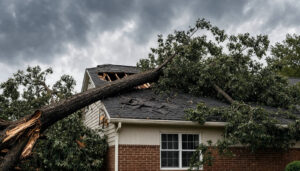
When it comes to stormwater damage repair, understanding the complexities involved is essential. You’ll need to recognize the signs of damage in your commercial property and take immediate action. Evaluating the extent of the damage can determine the necessary repairs and preventive measures. Knowing how to navigate insurance claims and the role of mold remediation is equally important. What steps should you prioritize first to effectively manage stormwater issues?
Key Takeaways
- Assess the extent of stormwater damage by inspecting both interior and exterior areas for signs like water intrusion, mold, and structural compromise.
- Document all damage with photos and notes to support insurance claims and evaluate repair needs effectively.
- Remove standing water promptly using pumps or wet vacs to prevent further damage and mold growth.
- Understand insurance coverage options, including flood and homeowners insurance, for potential reimbursement of stormwater-related repairs.
- Implement long-term maintenance strategies, such as regular inspections and proper drainage solutions, to prevent future stormwater damage.
Understanding Stormwater Damage
When heavy rainfall overwhelms drainage systems, it leads to stormwater damage that can affect both properties and ecosystems. Understanding this damage is essential for effective stormwater management.
Excess water can cause erosion, flooding, and pollution, destabilizing landscapes and harming aquatic habitats. You might notice how improperly designed drainage systems exacerbate these issues.
Effective stormwater management involves implementing strategies that enhance the capacity of these systems, ensuring they can handle intense rainfall.
Techniques like rain gardens, permeable pavements, and retention basins help mitigate risks by allowing water to soak into the ground, reducing runoff.
Signs of Stormwater Damage in Commercial Properties
When inspecting commercial properties, you should watch for visible water intrusion, which often indicates underlying stormwater issues.
Additionally, the presence of mold and mildew can signal prolonged moisture exposure, posing health risks and structural concerns.
Identifying these signs early is essential for effective stormwater damage repair.
Visible Water Intrusion
Visible water intrusion serves as a vital indicator of stormwater damage in commercial properties. Identifying visible water sources, such as leaks, puddles, or damp spots, is necessary for evaluating the extent of damage.
Regular inspections can help you detect these signs early, allowing for timely interventions. When you notice water stains on walls or ceilings, it’s important to act quickly to mitigate further damage.
Implementing water intrusion prevention measures, like proper drainage systems and sealing cracks, can greatly reduce the risk of future issues. By being proactive, you can protect your property and ensure a safe environment for your tenants and employees.
Addressing visible water intrusion preserves your investment and fosters a sense of community and responsibility.
Mold and Mildew Growth
As moisture accumulates in commercial properties due to stormwater damage, mold and mildew growth often becomes a pressing concern.
You’ll need to recognize the signs early, such as a musty odor or visible discoloration on walls. Implementing effective mold prevention strategies is vital; ensure proper ventilation and humidity control to inhibit growth.
If you detect mold, prompt mildew remediation is imperative to restore a safe environment. This process involves thorough cleaning with specialized solutions and may require professional assistance, especially for extensive infestations.
Regular inspections and maintenance can greatly reduce the risk of recurrence, fostering a healthier space for employees and customers alike. Staying proactive safeguards your property’s integrity and enhances its overall value.
Immediate Steps to Take After Stormwater Infiltration
Although stormwater infiltration can cause significant damage, taking immediate action can mitigate its effects. Your emergency response is vital in minimizing further harm.
Start with an initial assessment to understand the extent of the infiltration. Here are four essential steps to follow:
Ensure Safety: Before entering affected areas, check for electrical hazards and structural integrity.
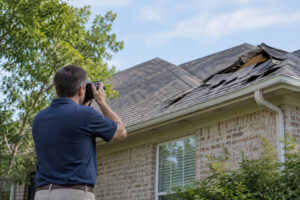
Document the Damage: Take photos and notes for insurance claims and future reference.
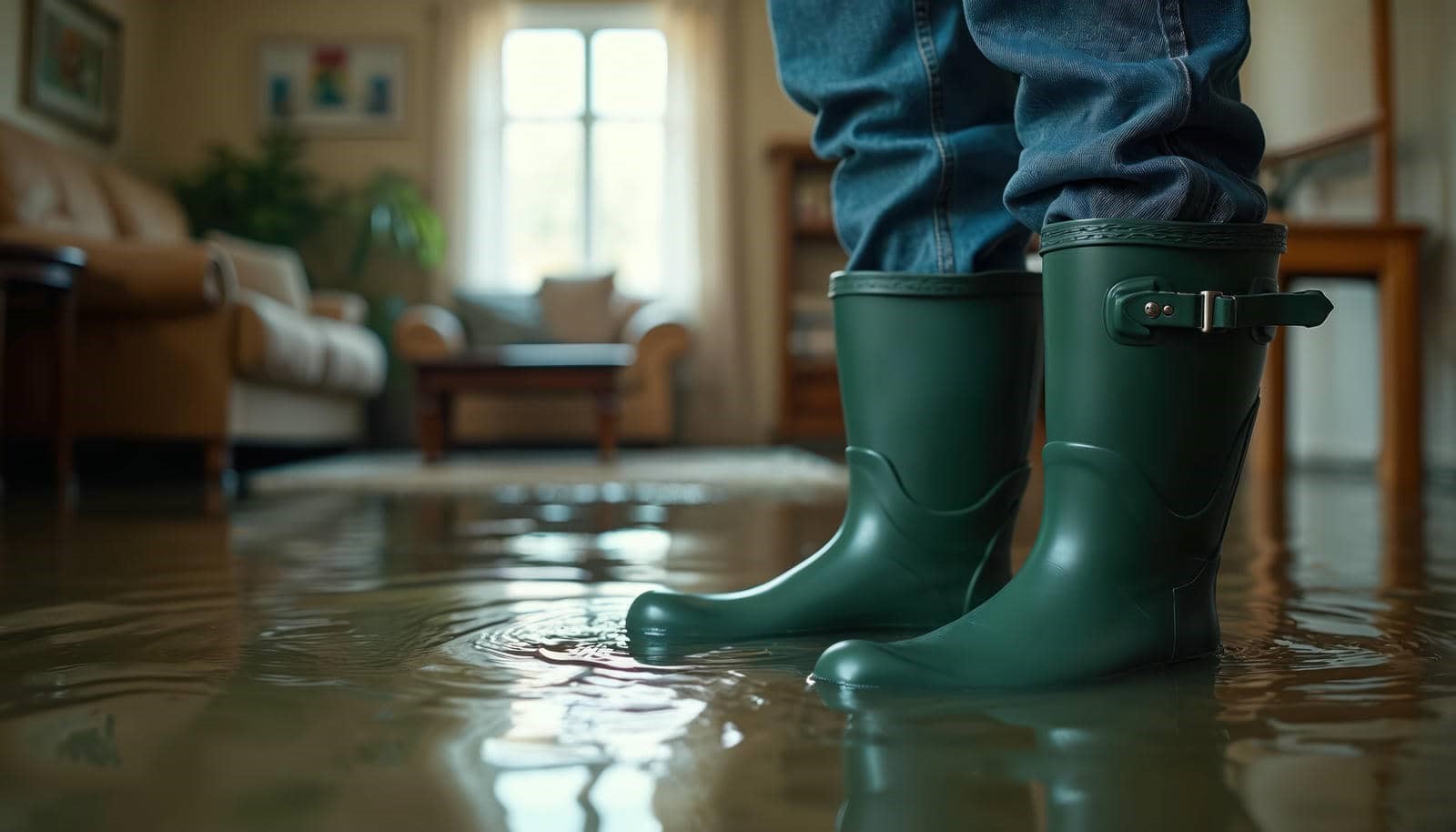
Remove Water: Use pumps or wet vacs to extract standing water as soon as possible.
Ventilate: Open windows and use fans to promote airflow, reducing moisture levels.
Assessing Damage and Determining Repair Needs
Once you’ve managed the immediate aftermath of stormwater infiltration, it’s essential to conduct a thorough assessment of the damage to determine the necessary repairs.
Start your damage assessment by inspecting both interior and exterior areas affected by the water. Look for signs of structural compromise, such as cracks, mold growth, or warping materials. Document these findings, as they’ll be important for your repair evaluation.
Next, assess the impact on your property’s systems—plumbing, electrical, and HVAC. Water exposure can lead to significant issues, so prioritize these areas.
Identify any required mitigation measures to prevent further damage, such as drying out affected spaces or sealing leaks.
Professional Stormwater Damage Repair Services
When facing the aftermath of stormwater damage, enlisting professional repair services can greatly expedite recovery and restore your property’s integrity.
Experts in stormwater management utilize advanced repair techniques to tackle the complexities of water damage. Here’s how they can help:
Assessment: They conduct a thorough evaluation to identify all affected areas.
Water Extraction: Efficient removal of standing water is essential to prevent further damage.
Structural Repairs: Professionals ensure that any weakened structures are reinforced correctly.
Mold Remediation: They implement strategies to eliminate mold risks, safeguarding your health.
Preventative Measures to Avoid Future Stormwater Issues
To effectively prevent future stormwater issues, it’s essential to implement a combination of strategic measures tailored to your property’s specific needs.
Start by evaluating your drainage systems; verify they’re functioning at peak performance and free from blockages. Consider installing catch basins or French drains to redirect excess water away from vulnerable areas.
Incorporating landscaping solutions can also be beneficial. Design your yard with graded slopes that guide water away from your home.
Utilize native plants that require less water and promote better soil absorption, reducing runoff.
Regularly inspect and maintain your gutters and downspouts to ensure they’re clear and efficiently channel water.
Insurance Considerations for Stormwater Damage
Understanding your insurance coverage for stormwater damage is essential.
You need to know the types of coverage available and the specifics of the claims process. This knowledge will help you navigate potential repairs and financial implications effectively.
Coverage Types Explained
While stormwater damage can lead to significant property loss, having the right insurance coverage can mitigate financial repercussions. Understanding your policy is essential.
Here are four key coverage types to take into account:
Flood Insurance: Protects against water damage from heavy rainfall and flooding, often with specific coverage limits.
Homeowners Insurance: May cover certain stormwater-related damages, but often includes policy exclusions for flood-related incidents.
Personal Property Coverage: Safeguards belongings affected by stormwater, subject to assessment of coverage limits.
Additional Living Expenses: Covers costs incurred if you’re temporarily displaced due to stormwater damage.
Review your policies carefully to confirm you’re adequately protected from the financial impacts of stormwater damage.
Filing Claims Process
How do you navigate the claims process after experiencing stormwater damage?
Begin by gathering thorough claim documentation, including photographs, repair estimates, and any relevant receipts. This evidence supports your case and ensures a smoother process.
Next, initiate clear insurance communication; contact your provider promptly to report the damage and understand your coverage specifics. Be prepared to explain the situation in detail, referencing your documentation.
Follow up consistently to track your claim’s progress and address any issues that arise. If necessary, consult a claims adjuster for guidance.
The Role of Mold Remediation in Water Damage Repair
Mold remediation plays an essential role in the water damage repair process, as the presence of mold can exacerbate health risks and structural issues in affected properties.
To effectively address mold, you should consider the following:
Inspection: Identify and assess mold growth and moisture sources.
Containment: Prevent spores from spreading during the remediation process.
Remediation Techniques: Utilize methods like HEPA vacuuming and antimicrobial treatments.
Mold Prevention: Implement strategies such as proper ventilation and dehumidification.
Long-Term Maintenance Strategies for Commercial Properties
To ensure the longevity and resilience of commercial properties, implementing effective long-term maintenance strategies is essential. Start by evaluating your drainage solutions; verify they’re properly maintained to prevent water accumulation, which can lead to costly damage. Regular inspections will help you identify potential issues before they escalate.
Next, focus on property landscaping. Choose native plants that require less water and are better suited to your local climate, reducing irrigation needs and promoting soil integrity. Proper grading and strategic planting can direct water away from building foundations, further protecting your asset.
Additionally, consider investing in permeable paving options for parking lots and walkways to enhance water absorption.
Frequently Asked Questions
How Can I Identify Hidden Stormwater Damage in My Property?
To identify hidden stormwater damage, conduct a thorough property inspection. Look for stormwater indicators like mold, water stains, and cracked foundations. Addressing these signs early can prevent more extensive damage and costly repairs.
What Are the Typical Costs Associated With Stormwater Damage Repair?
Typical costs for stormwater damage repair vary based on cost factors like severity and location. Your insurance coverage may offset some expenses, so reviewing your policy can help you manage potential financial impacts effectively.
How Long Does the Stormwater Damage Repair Process Usually Take?
The stormwater damage repair timeline typically ranges from a few days to several weeks. Weather factors like precipitation can extend this duration, so it’s essential to plan accordingly and stay informed throughout the process.
Can I Perform Stormwater Damage Repairs Myself?
You can perform DIY repairs for stormwater damage, but make certain you prioritize stormwater safety. Assess the extent of the damage and follow local regulations to protect your property and the environment effectively.
What Permits Are Needed for Stormwater Damage Repairs?
You’ll need to check local permit requirements before starting stormwater damage repairs; understanding repair regulations is essential. Failing to secure necessary permits can lead to fines, delaying your project and causing further complications.
Recap
In the aftermath of stormwater damage, think of your property as a vessel maneuvering through turbulent waters. By taking proactive measures, you can fortify it against future storms. Just as a ship requires regular maintenance to stay afloat, your commercial property needs constant vigilance and repairs. Embrace the role of a captain, steering your investment toward safety and resilience. With the right strategies in place, you’ll repair and strengthen your foundation against nature’s unpredictable elements.