Think of mold as an unwelcome guest that silently infiltrates your commercial property, often unnoticed until it’s too late. Understanding its growth causes and identifying signs of infestation are essential first steps. The mold remediation process requires meticulous planning and execution. As you explore effective prevention strategies, you’ll discover how to safeguard your business and maintain a healthy environment. What’s the best approach for selecting the right professionals to handle this critical task?
Key Takeaways
- Assess and identify the type and extent of mold infestation through testing before beginning the remediation process.
- Seal off the affected area effectively to prevent mold spores from spreading during cleanup efforts.
- Use personal protective equipment (PPE) to ensure safety while handling mold and contaminated materials.
- Implement thorough cleaning techniques like HEPA vacuuming and damp wiping to eliminate mold thoroughly.
- Conduct follow-up testing to confirm the effectiveness of the remediation and ensure a mold-free environment.
Understanding the Causes of Mold Growth in Commercial Properties
Mold growth in commercial properties often stems from a combination of moisture, organic materials, and inadequate ventilation. To effectively combat this issue, you need to focus on moisture control and ensure proper air circulation throughout your space.
High humidity levels can create a breeding ground for mold, so it’s essential to monitor and manage moisture sources, such as leaks, condensation, and humidity.
Implementing dehumidifiers and maintaining HVAC systems are fundamental steps to reduce excess moisture. Additionally, fostering good air circulation helps dry out damp areas and minimizes stagnant air, which can contribute to mold proliferation.
Regularly inspect less-traveled spaces, like basements and attics, where moisture may accumulate unnoticed. By understanding these causes and taking proactive measures, you can create a healthier environment, not only for your property but for everyone who works or visits.
Identifying Signs of Mold Infestation
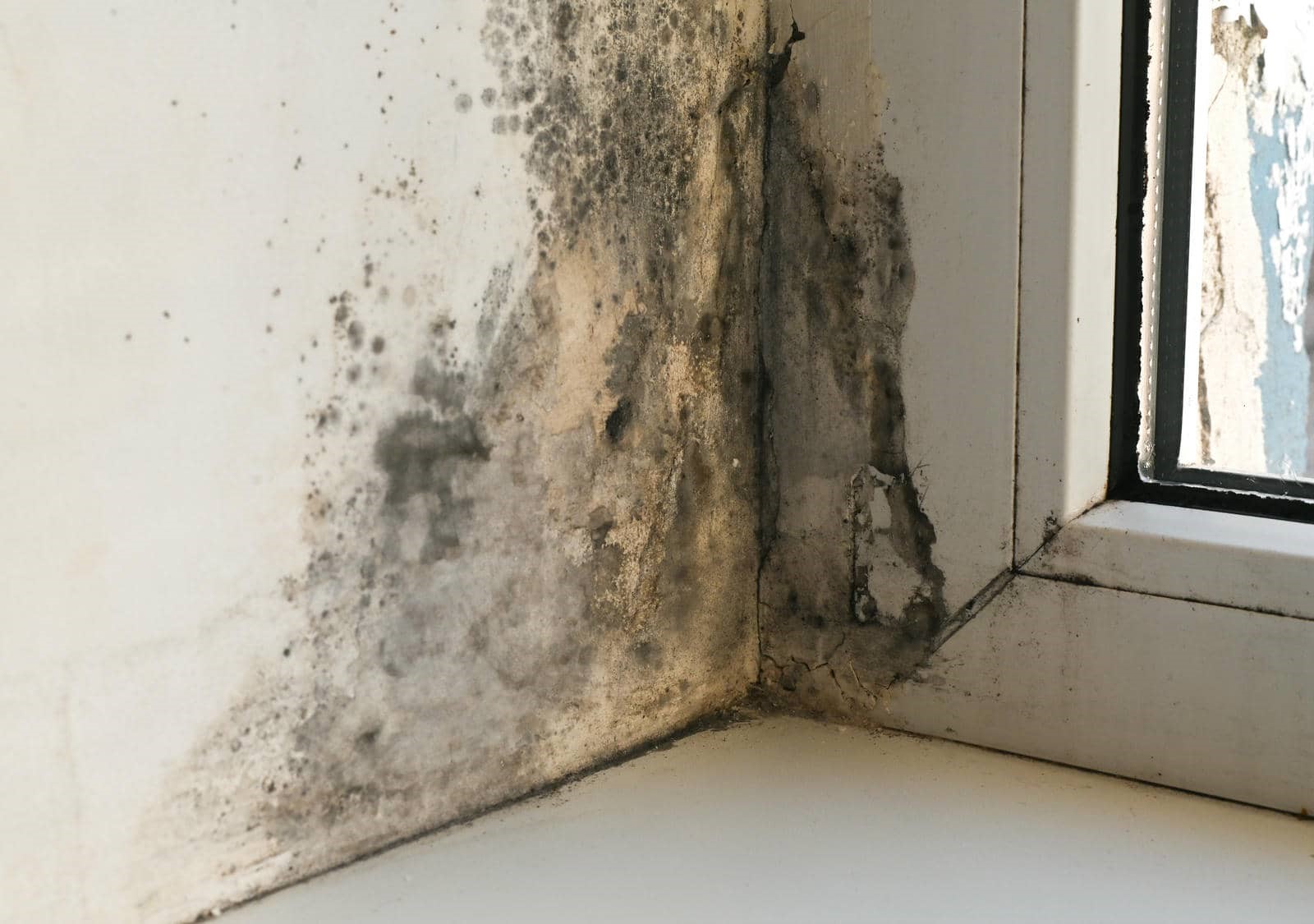
Recognizing the signs of mold infestation is vital for maintaining a safe and healthy commercial environment. Start by checking for visible mold growth, which can appear as black, green, or white patches on walls, ceilings, and floors.
Pay attention to any musty odors, as they often signal hidden mold. Utilize mold detection methods like moisture meters and air quality tests to identify damp areas that may harbor mold. Look for water stains or discoloration on surfaces, indicating potential leaks or moisture problems.
Be aware of the health implications associated with mold exposure, including respiratory issues, allergic reactions, and other health complications. If you or your employees notice persistent symptoms such as coughing or skin irritation, it’s important to investigate further.
The Mold Remediation Process Explained
When dealing with a mold issue, understanding the remediation process is crucial to effectively eliminate the problem and prevent its return.
Start with mold testing to identify the type and extent of the infestation. This step helps you determine the necessary remediation techniques tailored for your specific situation.
Once you have the results, prepare the affected area by sealing it off to prevent spore spread. Use appropriate personal protective equipment to safeguard yourself during the process.
Next, employ targeted remediation techniques, such as HEPA vacuuming, damp wiping, or replacing contaminated materials.
Ensure proper ventilation to aid drying and reduce moisture.
After remediation, conduct follow-up mold testing to confirm the effectiveness of your efforts.
Prevention Strategies to Protect Commercial Spaces
To effectively protect your commercial space from mold growth, implementing robust prevention strategies is crucial.
Start by utilizing mold resistant materials in construction and renovation. These materials, such as moisture-resistant drywall and paints, greatly reduce the risk of mold development.
Next, prioritize humidity control within your environment. Keep indoor humidity levels below 60% by using dehumidifiers and ensuruing proper ventilation in areas prone to moisture, like restrooms and kitchens.
Regularly inspect HVAC systems to confirm they’re functioning efficiently, as stagnant air can contribute to mold growth.
Additionally, promptly address any leaks or water damage to prevent mold spores from taking hold. Encourage staff to report signs of moisture immediately.
Choosing the Right Professionals for Mold Remediation
Choosing the right professionals for mold remediation can greatly impact the effectiveness of the cleanup and prevention efforts. Start with a thorough credentials assessment; confirm the team holds certifications from recognized organizations like the Institute of Inspection, Cleaning and Restoration Certification (IICRC). This confirms they possess the necessary skills and knowledge.
Next, conduct a service comparison. Evaluate multiple companies based on their methodologies, customer reviews, and post-remediation assurances. Look for professionals who utilize advanced equipment and follow industry standards, as this indicates a commitment to quality.
Don’t hesitate to ask for references; reputable companies should be willing to provide them. Verify that they’ve experience in handling commercial properties similar to yours.
Frequently Asked Questions
How Long Does Mold Remediation Typically Take?
Mold remediation typically takes one to five days, depending on the extent of mold growth. Evaluating the situation quickly helps create an effective remediation timeline, ensuring a safe environment for everyone involved.
Is Mold Remediation Covered by Commercial Property Insurance?
Mold remediation’s not always covered by your insurance policy; it often hinges on specific coverage limits. You’ll need to review your policy closely to understand what’s included and what isn’t, ensuring you’re fully prepared.
Can Mold Return After Remediation Efforts?
Yes, mold can return after remediation if you don’t implement effective mold prevention strategies and moisture control methods. Regularly monitor humidity levels and address leaks promptly to maintain a mold-free environment.
What Types of Mold Are Most Common in Commercial Properties?
In commercial properties, the most common molds are black mold and other toxic molds like Aspergillus and Cladosporium. Identifying these types early can help you take effective action to prevent health issues and property damage.
Are There DIY Mold Removal Methods for Businesses?
Yes, you can use DIY solutions for mold removal, but prioritize business safety. Ascertain proper ventilation, wear protective gear, and utilize a mixture of vinegar and water or baking soda for effective mold remediation.
Wrap-Up
To successfully safeguard your commercial property from mold mayhem, prioritize prevention and practice proactive measures. By understanding mold’s motivations, identifying infestations early, and implementing effective remediation techniques, you can create a clean, safe space. Remember to recruit reliable remediation professionals who know the nuances of mold management. With diligence and dedication, you’ll diminish the dangers of mold, ensuring a healthier, happier environment for your business and its occupants. Stay vigilant and mold-free!