Imagine a hidden iceberg, where only a small portion is visible above the surface; much like mold after flooding, the real danger often lies beneath. Mold can thrive in damp environments, posing health risks that shouldn’t be ignored. Professional mold remediation is essential to effectively tackle this issue. So, what does this process entail, and how can it help ensure your space remains safe and healthy?
Key Takeaways
- Professional mold remediation involves identifying hidden mold and assessing the extent of damage caused by flooding.
- Experts utilize containment techniques to prevent mold spores from spreading during the removal process.
- The remediation process includes thorough cleaning and sanitizing of affected surfaces to eliminate mold.
- Professionals provide advice on moisture control and ventilation improvements to prevent future mold growth.
- A final assessment ensures that air quality is safe and confirms the success of the remediation efforts.
Understanding Mold Growth After Flooding
When a flood occurs, you mightn’t realize that the real danger often comes after the waters recede: mold growth. Understanding the mold lifecycle is vital in the flood aftermath. Mold spores are everywhere, lying dormant until they find the right conditions to thrive.
After flooding, the combination of moisture, organic material, and warmth creates an ideal environment for mold to flourish. In just 24 to 48 hours, mold can begin to colonize, spreading rapidly if not addressed.
You may think that drying out your home is enough, but any remaining moisture can sustain mold growth. The types of mold that emerge can vary, but all pose potential health risks.
Signs of Mold Infestation
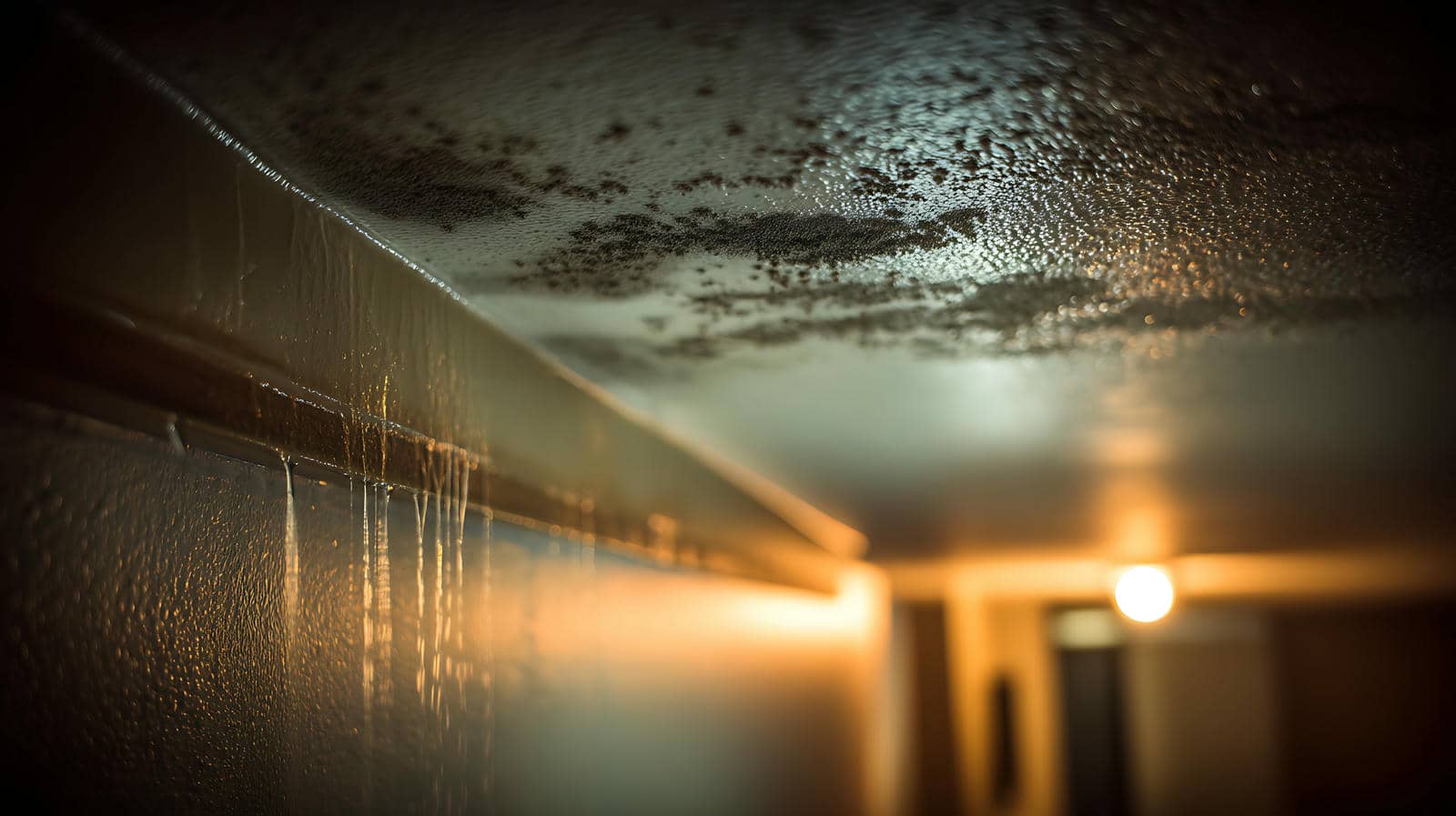
When evaluating for mold infestation, look for visible mold growth on surfaces, which can appear as black, green, or white patches.
Additionally, a musty odor often indicates mold presence, even if you can’t see it.
Recognizing these signs early is essential to preventing further damage and health risks.
Visible Mold Growth
Although mold can grow hidden within walls or under carpets, visible mold growth is often the most obvious sign of an infestation. Identifying these patches early is vital for effective visible mold removal and mold growth prevention. Mold can appear in various colors and textures, making it essential to recognize its different forms.
| Mold Type | Color | Common Locations |
|---|---|---|
| Powdery Mold | White/Gray | Walls, ceilings |
| Slimy Mold | Green/Black | Bathrooms, kitchens |
| Fuzzy Mold | Yellow/Green | Damp areas, basements |
| Spotty Mold | Brown/Black | Wooden surfaces |
| Mildew | White/Gray | Fabrics, shower tiles |
Addressing visible mold growth promptly helps maintain a healthy environment for you and your loved ones.
Musty Odor Presence
Visible mold growth isn’t the only indication of a mold problem; a musty odor often signals an underlying infestation. This unpleasant smell typically arises from dampness and decaying organic matter, which are common causes of musty odor.
If you notice this odor lingering in your home, it’s essential to act quickly. Ignoring it can lead to health issues and structural damage.
To address the musty smell, start by identifying moisture sources, such as leaks or poor ventilation. Implement musty odor solutions like using dehumidifiers, improving airflow, and sealing any leaks.
If the smell persists, you may need professional mold remediation to ensure thorough removal and prevent future growth.
Health Risks Associated With Mold
Mold exposure can lead to significant health risks, particularly respiratory problems and allergic reactions.
If you have asthma or other respiratory issues, inhaling mold spores can exacerbate your condition.
Additionally, individuals with mold allergies may experience symptoms like sneezing, skin rashes, and fatigue when exposed.
Respiratory Problems
When exposed to mold spores, you may experience a range of respiratory problems that can considerably impact your health.
Common respiratory symptoms include coughing, wheezing, and shortness of breath, which can worsen with prolonged mold exposure. Individuals with pre-existing conditions like asthma or allergies are particularly vulnerable, as mold can aggravate their symptoms, leading to more severe complications.
Even if you’re generally healthy, inhaling mold spores can still trigger irritation in your airways, causing discomfort.
It’s essential to recognize these symptoms early and address mold issues promptly. Understanding the health risks associated with mold exposure is important in protecting yourself and your loved ones.
Taking action against mold can help you maintain a healthier living environment.
Allergic Reactions
While many people associate mold with unpleasant odors and unsightly stains, its impact on health, particularly through allergic reactions, is often overlooked.
Mold allergies can trigger a range of allergic symptoms, including sneezing, a runny nose, and itchy eyes. If you’re sensitive to mold, even small amounts can provoke these reactions, making it essential to recognize and address the issue promptly.
Prolonged exposure can worsen your condition, leading to chronic respiratory issues or heightened sensitivity. Understanding your body’s response to mold is vital for maintaining a healthy living environment.
If you suspect mold may be affecting you, consulting a professional for remediation is a wise step to protect your health and well-being. Don’t underestimate the importance of a safe space free from mold.
The Importance of Professional Mold Remediation
Given the potential health risks and structural damage that mold can cause, addressing it promptly and effectively is crucial after flooding. You might think cleaning up on your own could suffice, but mold often hides in places you can’t see, making a professional assessment essential.
Professionals can identify hidden mold and evaluate the extent of damage, ensuring thorough remediation. Additionally, enlisting experts allows you to implement effective mold prevention strategies tailored to your specific situation. They can advise you on moisture control, ventilation improvements, and material choices that minimize future mold growth.
By opting for professional remediation, you safeguard your health and protect your property from long-term consequences. In a community that values safety and well-being, trusting professionals to handle mold is a step towards a healthier environment.
The Mold Remediation Process
After recognizing the importance of professional mold remediation, it’s essential to understand the steps involved in the mold remediation process. This process typically begins with an air quality assessment to identify the extent of mold growth and determine appropriate mold removal techniques.
Here’s a simplified overview of the steps involved:
| Step | Description | Purpose |
|---|---|---|
| Inspection | Assess affected areas | Identify mold presence |
| Containment | Seal off affected zones | Prevent the spread of spores |
| Mold Removal | Use techniques like HEPA vacuum | Eliminate mold colonies |
| Cleaning | Disinfect surfaces | Ensure thorough sanitation |
| Final Assessment | Re-evaluate air quality | Confirm successful remediation |
Equipment Used in Mold Remediation
In mold remediation, specialized equipment plays an essential role in effectively eliminating contaminants and restoring safe environments. Understanding the various remediation equipment types can empower you in the process.
Here are three critical tools you’ll encounter:
HEPA Vacuums: These powerful vacuums trap tiny mold spores, ensuring they don’t spread during cleanup.
Dehumidifiers: Essential for reducing moisture levels, they create an unfavorable environment for mold growth, making your space safer.
Air Scrubbers: These devices filter out airborne mold particles, improving indoor air quality and helping you breathe easier.
Utilizing advanced mold removal techniques with the right equipment aids in thorough remediation and fosters a sense of security and belonging in your home.
Knowing you’ve taken these steps gives you peace of mind, as you reclaim your space from the grip of mold.
Preventing Future Mold Growth
To prevent future mold growth, you need to focus on proper ventilation techniques and regular moisture monitoring.
Ensuring adequate airflow in your space will help reduce humidity levels, while consistent checks for moisture can catch potential problems early.
Proper Ventilation Techniques
While flooding can create a perfect storm for mold growth, employing proper ventilation techniques can greatly mitigate this risk.
You can enhance air circulation and reduce humidity by focusing on effective ventilation systems. Here are three essential steps to take into account:
Utilize exhaust fans in bathrooms and kitchens to expel humid air.
Open windows and doors whenever possible to encourage fresh air flow, especially during dry days.
Install dehumidifiers in damp areas to maintain ideal moisture levels.
Regular Moisture Monitoring
Effective ventilation techniques can greatly reduce humidity levels, but ongoing moisture monitoring is just as important for preventing future mold growth. By regularly checking moisture levels, you can ensure effective moisture control and humidity regulation in your home. Here’s a quick overview of monitoring methods:
| Monitoring Method | Benefits |
|---|---|
| Hygrometers | Measure humidity accurately |
| Moisture Meters | Detect moisture in materials |
| Infrared Cameras | Identify hidden moisture sources |
Consistent monitoring helps you catch issues before they escalate, fostering a healthier environment. You’ll feel more secure knowing you’re actively managing moisture levels, reducing the risk of mold growth. Establishing a routine can create a sense of belonging in your living space, ensuring it remains safe and comfortable for everyone.
Choosing a Qualified Mold Remediation Service
How can you ensure that the mold remediation service you choose is truly qualified? Start by using a qualifications checklist to evaluate potential candidates.
Look for certifications, experience, and customer reviews. Then, conduct service comparisons to verify you’re making an informed decision.
Consider these three essential factors:
Certifications: Verify the service has accredited certifications in mold removal and environmental safety.
Experience: Choose a company with a proven track record in successful mold remediation.
Customer Feedback: Read reviews and testimonials to gauge satisfaction and trustworthiness.
Cost Factors in Mold Remediation
After selecting a qualified mold remediation service, understanding the cost factors involved is crucial for effective budgeting.
Mold remediation costs can vary widely based on several elements. First, the extent of the mold infestation plays a significant role; larger areas typically require more labor and materials, driving up costs.
Second, the specific techniques and equipment pricing can impact your overall expenditure. Advanced equipment like air scrubbers and dehumidifiers is often necessary, and their rental or purchase costs can add to your budget.
Additionally, the complexity of the remediation process—such as whether structural repairs are needed—will affect the final price.
It’s also wise to evaluate potential hidden costs, like post-remediation inspections.
Insurance and Mold Remediation Coverage
While maneuvering through the complexities of mold remediation, it’s essential to understand how insurance coverage can influence your financial obligations. Not all insurance policies cover mold damage, and knowing your coverage limits can save you from unexpected costs.
Here are three key points to take into account:
Review your policy: Verify you know what’s included and what’s excluded regarding mold damage.
Document damage: Keep a detailed record of all damage and remediation efforts. This documentation can be critical when filing claims.
Consult your insurer: Speak with your insurance agent about potential coverage for mold remediation after flooding.
Understanding your insurance can foster a sense of security. You don’t want to navigate the stress of mold remediation alone; knowing your coverage helps you feel more in control and supported during a challenging time.
Conclusion
In the end, you might think tackling mold after flooding is a DIY task, but that’s like trying to fix a leaky dam with duct tape. Professional mold remediation isn’t just about cleaning; it’s a strategic approach to ensure your home remains safe and healthy. By investing in experts, you’re addressing the immediate problem and preventing future headaches. So, why take chances when a thorough, professional solution is just a call away?