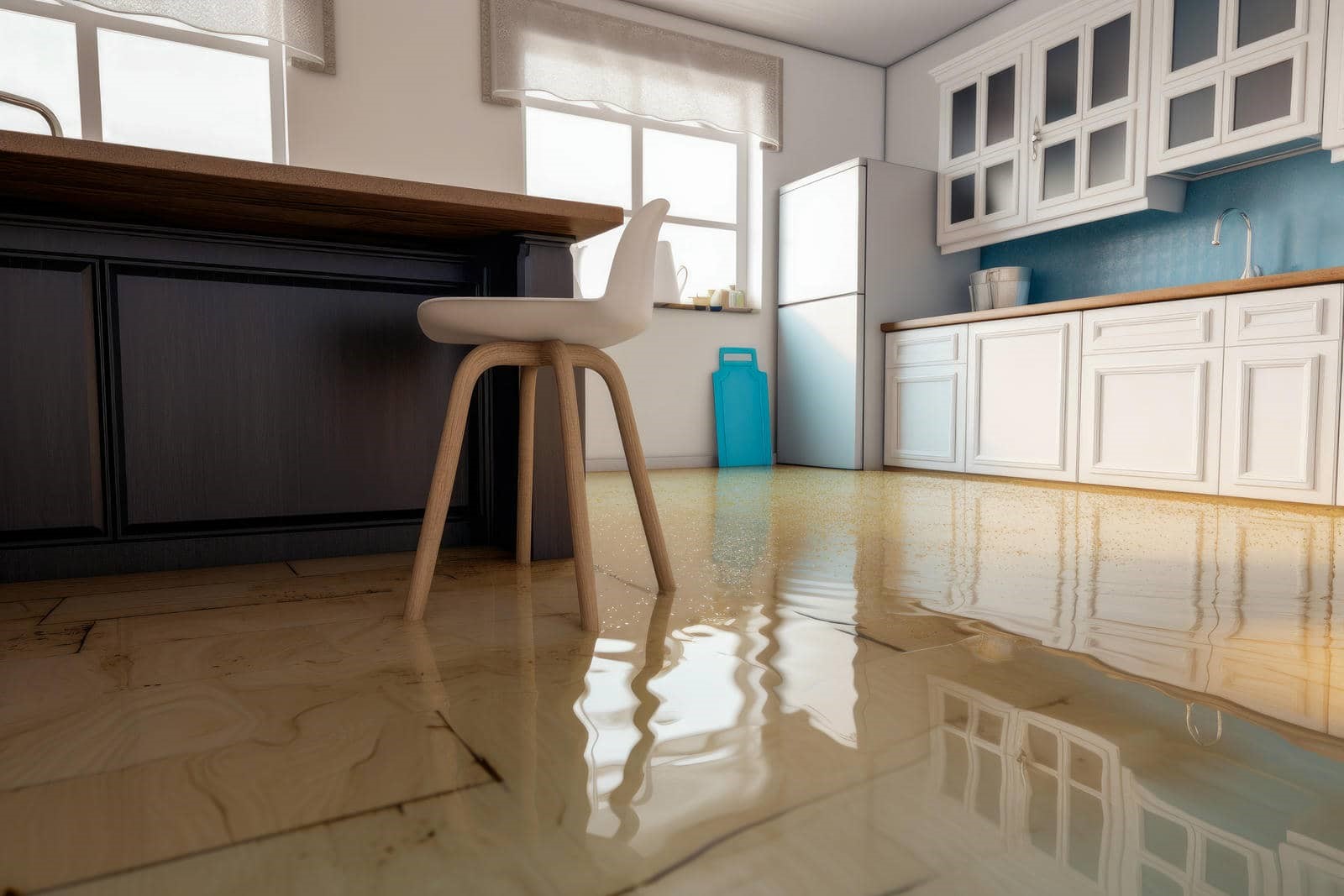
Restore Flooded Homes by taking immediate action to reduce water damage and prevent long-term problems. Start by shutting off power if it is safe to do so, then remove standing water using extraction equipment such as a sump pump or wet vacuum. Thoroughly dry affected areas with fans, ventilation, and dehumidifiers to eliminate hidden moisture trapped in walls, floors, and belongings. After drying, clean and disinfect surfaces, while removing porous materials that cannot be safely restored and may contribute to mold growth. Following the right restoration steps helps protect your home, reduce repair costs, and create a safer living environment.
Key Takeaways
- Pump out standing water immediately to reduce structural damage and mold growth.
- Shut off electricity and remove water with a sump pump, wet vac, or professional extractor.
- Dry rooms fast with fans, open windows, and dehumidifiers, including hidden areas under furniture and carpets.
- Clean and disinfect hard surfaces with detergent and sanitizer, and discard porous items that stayed wet too long.
- Inspect framing, subfloors, and baseboards for warping or hidden decay before starting repairs.
Extract Water Fast
As soon as it’s safe to enter your home, you need to remove standing water quickly to limit structural damage and mold growth.
Start water extraction with a sump pump, wet vac, or professional extraction unit, depending on the depth of flooding. Shut off electricity to affected areas before you work.
Move from the highest remaining dry area toward the exit so you don’t track contaminants. Empty containers often, and direct discharge away from the foundation.
As you remove water, document damage for your insurer and note any warped floors or soaked baseboards. Fast action supports quick drying and helps your cleanup team stay ahead of hidden problems.
You’re not dealing with this alone; steady, methodical work gets your home back on track.
Dry Rooms and Hidden Moisture
Once the standing water is gone, you need to dry each room thoroughly and check for hidden moisture before damage spreads. Open windows if weather allows, run fans, and place dehumidifiers in the wettest areas.
Use drying techniques that move air across floors, baseboards, and wall cavities, not just into the center of the room. For moisture detection, check behind furniture, under carpets, inside cabinets, and along trim with a meter or your hand.
If materials stay damp after a day or two, keep drying instead of sealing them in. You’re not doing this alone; steady, methodical work protects your home and helps your household recover together.
Watch for cool spots, musty odors, and swelling, since they often signal trapped water.
Clean and Sanitize Flood Damage
Scrub away mud, silt, and residue with hot water and a detergent cleaner as soon as surfaces are dry enough to handle. You’ll remove contaminants faster and reduce staining.
Rinse well, then disinfect hard surfaces with a bleach solution or EPA-registered sanitizer, following label directions. Wear gloves, eye protection, and an N95 mask when you clean. Open windows and run fans to improve airflow.
Toss porous items that stayed wet too long, including insulation, carpet pads, and damaged drywall. This supports mold prevention and keeps odors from spreading.
Before you rebuild, complete a structural assessment so you can spot weakened framing, warped subfloors, and hidden decay.
You’re not doing this alone; every careful step helps your home become safe, clean, and ready for repair.
Frequently Asked Questions
How Soon Should Insurance Claims Be Filed After Flooding?
You should file your claim immediately after flooding, ideally within 24 hours. Check your insurance policy and start the claim process fast so you’ll protect coverage, reduce delays, and feel supported.
Can I Turn Electricity Back on After a Flood?
No, you shouldn’t turn electricity back on after a flood until a licensed electrician confirms it’s safe. Follow safety precautions, inspect outlets and panels, and wait for power restoration to avoid shocks, fires, and further damage.
Which Belongings Should Be Discarded After Flood Exposure?
When it’s in doubt, throw it out. You should discard porous items, soaked drywall, insulation, mattresses, food, and contaminated papers. Check flood insurance first, then separate salvageable items for cleaning, drying, and inspection.
How Do I Tell if Mold Is Growing Behind Walls?
You can spot mold behind walls by checking for musty odors, discoloration, peeling paint, or warped drywall. For reliable mold detection, do a careful wall inspection, especially after leaks. If you’re unsure, call a professional.
When Should Professionals Handle Structural Flood Damage?
You should call professionals when damage threatens structural integrity, especially after major flooding, shifting, sagging, or cracked foundations. They’ll perform a flood assessment, stabilize the structure, and help you feel confident your home’s safe.
Review
Flood recovery starts with what you do first: pull out the water, or damage keeps spreading. Then dry every room, even the hidden spaces, because moisture waits where you can’t see it. Finally, clean and sanitize before mold gets a foothold. If you move fast, stay safe, and document each step, you’ll protect your home and your claim. One overlooked corner can change everything, so don’t stop until the last damp spot is gone.