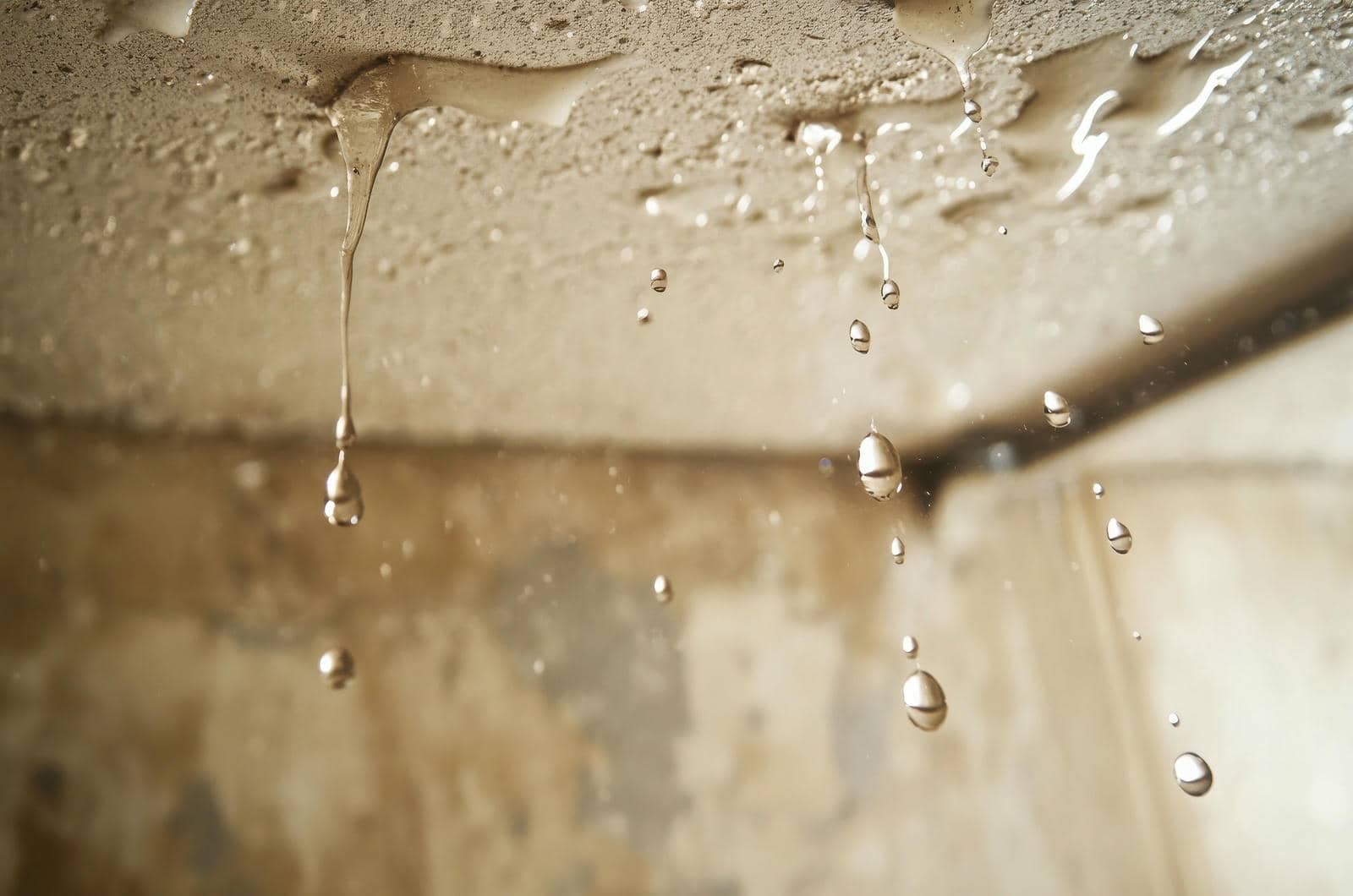
When dealing with ceiling water damage, it’s essential to take a systematic approach to ensure effective repair. First, you’ll need to identify the water source to prevent recurrence. Next, assess the extent of the damage, as this will dictate whether patching or complete replacement is necessary. Understanding these initial steps lays the groundwork for a successful repair process. But what comes next could markedly impact the longevity of your repairs.
Key Takeaways
- Identify the source of water damage and address it before starting repairs to prevent recurrence.
- Remove affected materials carefully, ensuring thorough drying to avoid mold growth and further damage.
- Assess the extent of the damage; minor stains may need patching, while severe issues require full replacement.
- Use a stain-blocking primer and moisture-resistant paint to ensure lasting protection against future water damage.
- Conduct regular inspections of roofs, gutters, and plumbing to catch potential leaks early and maintain your ceiling’s integrity.
Identify the Source of Water Damage
Before you can effectively repair ceiling water damage, you need to identify the source of the leak. Start by conducting thorough water leak detection.
Check for visible signs, like stains or discoloration, which often indicate water infiltration. Use moisture mapping tools to gauge moisture levels in your ceiling and adjacent walls. This technology helps pinpoint areas where water has seeped in, allowing you to trace the leak back to its origin.
Common culprits include plumbing issues, roof leaks, or damaged gutters. Inspect these areas methodically, and don’t overlook hidden spaces like attics or crawl spaces.
Document your findings, as understanding the source is vital for effective repairs and preventing future damage. Once you identify the leak, you’re on the right track to restoring your ceiling and ensuring your home stays dry and comfortable.
Your proactive approach fosters a sense of belonging in a community that values home care.
Assess the Extent of Damage
After pinpointing the source of the leak, you can move on to evaluating the extent of the damage caused to your ceiling.
It’s essential to identify damage indicators that reveal how deep the issue runs. Use effective assessment techniques to accurately gauge the severity.
Here are some key factors to check:
Discoloration: Look for brown or yellow stains, indicating water infiltration and potential mold growth.
Texture Changes: Feel for soft spots or bulges, which suggest compromised structural integrity.
Odor: A musty smell often signals trapped moisture and possible mold development.
Carefully document your findings, as this will guide your repair approach.
By understanding the full scope of the damage, you’ll be better equipped to make informed decisions moving forward.
Remove Affected Materials
Begin by carefully removing any affected materials from the ceiling to prevent further damage and mitigate health risks. Use appropriate removal techniques to ensure you’re handling the materials safely. If the ceiling shows signs of mold or deterioration, you’ll want to act quickly.
| Affected Material | Removal Technique | Safety Precautions |
|---|---|---|
| Drywall | Cut out damaged sections | Wear gloves and mask |
| Insulation | Remove and discard | Use protective eyewear |
| Paint | Scrape or sand | Ensure proper ventilation |
| Ceiling Tiles | Lift and replace | Handle with care |
Dry the Area Thoroughly
Once you’ve removed the affected materials, it’s important to dry the area thoroughly to prevent further structural damage and inhibit mold growth. Effective moisture control is critical during this phase.
Utilize various drying techniques to ensure every inch is addressed.
- Use high-velocity fans to circulate air and expedite evaporation.
- Employ dehumidifiers to extract moisture from the air, lowering humidity levels.
- Open windows and doors if the weather permits, allowing natural airflow to assist in drying.
Monitor the area carefully, checking for lingering dampness. A moisture meter can be an invaluable tool for evaluating moisture levels in materials.
Clean and Treat for Mold
Even with the area thoroughly dried, it’s vital to address any potential mold growth that could have developed during the water damage incident.
Start by inspecting the ceiling for any visible signs of mold, such as dark spots or a musty odor. If you find any, use a mixture of water and detergent to scrub the affected areas. For more severe infestations, consider using specialized treatment methods, such as a commercial mold remover or a solution containing bleach, and ensure proper ventilation while applying these products.
After cleaning, it’s important to monitor the area for any recurring mold growth.
To prevent future issues, maintain low humidity levels and ensure proper ventilation in the space. By taking these steps, you protect your home and create a safer environment for everyone.
Repair or Replace Ceiling Materials
When dealing with ceiling water damage, you need to assess the severity of the damage first.
Consider the type of materials used in your ceiling, as this will influence your decision to repair or replace them.
Additionally, weigh the cost-effective solutions available to ensure you’re making the best choice for both structural integrity and budget.
Assess Damage Severity
Before you decide whether to repair or replace ceiling materials damaged by water, it’s essential to assess the severity of the damage thoroughly.
Start by examining the extent of the water stains and the affected area.
Key factors to take into account include:
Size of the water stains: Larger stains may indicate more extensive damage.
Texture and integrity: Check if the ceiling materials feel soft or sagging.
Mold growth: Look for any signs of mold, which may require immediate action.
Material Type Considerations
Determining whether to repair or replace ceiling materials hinges greatly on the type of material involved.
If you’re dealing with drywall options, consider the extent of water damage. Minor stains might only require patching and repainting, while severe sagging or mold growth typically demands full replacement.
For ceiling tiles, assess their condition thoroughly; water-damaged tiles may warp or lose structural integrity, making replacement the safer choice.
Remember, tiles that are stained or discolored often fail to restore their original appearance even after cleaning.
By understanding the specific characteristics of your ceiling materials, you can make informed decisions that ensure your space remains safe, functional, and aesthetically pleasing.
Prioritize quality in your repairs to foster a sense of community and belonging in your home.
Cost-Effective Solutions
Understanding the condition of your ceiling materials sets the stage for evaluating cost-effective solutions for repair or replacement. You can choose between budget-friendly repairs and complete replacements based on severity.
Here are some key considerations:
Assess Damage Level: Determine if the damage is superficial or structural. Minor stains may need just a touch-up, while significant sagging indicates a more serious issue.
Explore DIY Techniques: For minor repairs, consider using patch kits or paint to conceal water stains. These can save you money while restoring aesthetics.
Consult Professionals: If you’re unsure, getting a quote from a contractor can help you weigh the costs versus benefits of repair versus replacement.
Apply a Mold-Resistant Primer
Applying a mold-resistant primer is essential after addressing ceiling water damage, as it provides a protective barrier against future mold growth.
You’ll benefit from its antimicrobial properties and enhanced adhesion, ensuring long-lasting results.
In the following sections, we’ll cover effective application techniques to maximize its effectiveness.
Benefits of Mold-Resistant Primer
Using a mold-resistant primer can greatly enhance the durability of your ceiling repair efforts, especially in moisture-prone areas. This vital step supports mold prevention and ensures your repairs stand the test of time.
Here are some key primer benefits to take into account:
Enhanced Protection: It creates a barrier against moisture, reducing the risk of mold growth.
Improved Adhesion: Mold-resistant primers provide a better surface for paint, leading to a smoother, more durable finish.
Long-lasting Results: You’ll experience fewer touch-ups and repairs over time, saving you effort and resources.
Incorporating a mold-resistant primer is a smart choice that fosters a healthier living environment while ensuring your ceiling repairs remain effective and aesthetically pleasing.
Application Techniques Explained
Before applying a mold-resistant primer, it’s essential to prepare your workspace and materials to ensure optimal results.
Start by ensuring the ceiling surface is clean, dry, and free from debris. Use a roller for large areas and a brush for corners and edges, employing even strokes to maintain consistency.
Apply the primer in thin layers, allowing adequate drying time between coats to enhance adhesion and effectiveness. This method optimizes the primer’s performance and showcases proper application techniques.
Always follow the manufacturer’s instructions for best results.
Repaint the Ceiling
Once you’ve allowed the ceiling to fully dry after addressing the water damage, it’s crucial to repaint to restore its appearance and protect it from future issues.
Start by choosing the right paint selection that matches your ceiling textures. You want to make certain that the new paint adheres well and blends seamlessly with the existing finish.
Here are some tips to keep in mind during the repainting process:
Use a primer: Applying a stain-blocking primer can help cover any residual discoloration and improve paint adhesion.
Choose moisture-resistant paint: Opt for paint specifically designed for high-humidity areas, ensuring durability against potential future damage.
Consider the finish: A satin or semi-gloss finish can enhance washability and reflect light, making the ceiling appear more vibrant.
Prevent Future Water Damage
To prevent future water damage, it’s essential to identify and address potential sources of moisture before they become problematic.
Start by inspecting your roof and gutters regularly; clogged gutters can lead to water pooling and eventual leaks. Implement efficient drainage solutions around your property to direct water away from your foundation and walls.
Consider using waterproof coatings on exterior walls and surfaces, which can greatly reduce moisture penetration. Pay attention to areas like bathrooms and kitchens, where water usage is high; installing exhaust fans can help manage humidity levels.
Additionally, check plumbing for leaks and repair any issues promptly. Finally, ensuring proper ventilation in your attic can prevent condensation buildup, further safeguarding your ceilings.
Schedule Regular Inspections
Scheduling regular inspections is essential for identifying potential water damage before it escalates.
Aim for at least biannual checks, focusing on areas prone to leaks, such as bathrooms and kitchens.
Importance of Inspections
While it’s easy to overlook, scheduling regular inspections is essential for identifying potential ceiling water damage before it escalates. Engaging in these inspections offers several inspection benefits that contribute to effective damage prevention.
Here are a few key points to take into account:
Early Detection: Catching water leaks or mold growth early can save you from costly repairs later.
Insurance Compliance: Your insurance policy may require regular inspections, helping ensure your coverage remains valid.
Peace of Mind: Knowing that your home is regularly assessed can alleviate worries about hidden issues that could destabilize your living environment.
Frequency of Checks
Regularly checking for signs of water damage is essential to maintaining the integrity of your ceiling and home.
Establishing a frequency of inspections—ideally every six months—ensures timely damage detection and allows you to catch small issues before they escalate. During these inspections, look for discoloration, sagging, or peeling paint, which can indicate moisture problems.
Pay close attention to areas around plumbing, roofs, and windows, as these are common sources of leaks. Additionally, consider seasonal changes that might affect your home, such as heavy rains or snowmelt.
Professional Assessment Benefits
Engaging a professional for ceiling water damage assessments offers significant advantages that enhance your home maintenance strategy.
By scheduling regular inspections, you’ll benefit from expert consultations and accurate damage evaluations that can save you time and money in the long run.
Here are three key benefits:
Early Detection: Professionals can identify hidden issues before they escalate, preventing costly repairs.
Comprehensive Insights: Expert assessments provide a thorough analysis of potential risks and necessary repairs, ensuring no detail is overlooked.
Peace of Mind: Knowing that a qualified expert is monitoring your home fosters a sense of security, allowing you to focus on enjoying your space.
Investing in professional assessments means you’re prioritizing the integrity of your home.
Summary
Tackling ceiling water damage promptly is essential for maintaining your home’s integrity. Water damage is more common than most people realize, and it can lead to costly repairs if left unchecked. That’s why prevention and regular inspections are so important. By following these tips, you repair existing damage and safeguard against future issues. Remember, a proactive approach today can save you from costly repairs tomorrow, ensuring your home remains safe and secure for years.