When stormwater damage strikes, knowing the most effective repair solutions can make all the difference for your business. You’ll need to assess the damage swiftly and employ targeted strategies for recovery. From rapid water extraction to long-term infrastructure improvements, each step is essential in mitigating risks and enhancing resilience. Understanding these solutions can help you navigate the complexities of stormwater recovery. Let’s explore how you can safeguard your business against future incidents.
Key Takeaways
- Engage professionals for thorough damage assessment and expert insight on stormwater damage repair solutions.
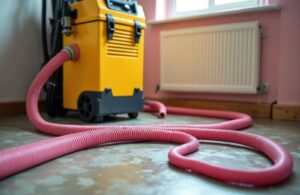
- Utilize high-capacity pumps and industrial-grade vacuums for effective water extraction from affected areas.
- Implement specialized drying equipment and monitor humidity levels to prevent mold growth.
- Enhance drainage systems and consider green infrastructure for long-term flood prevention.
- Conduct regular inspections and maintenance to ensure the resilience of stormwater systems.
Assessing the Damage and Immediate Response
When stormwater inundates your business premises, analyzing the damage quickly is essential to minimize disruptions and losses. Start by conducting a thorough damage evaluation. Identify which areas have sustained significant water exposure, focusing on equipment, inventory, and structural integrity.
Document everything with photos and notes; this will be invaluable for insurance claims and future strategies.
Next, initiate an emergency response plan. Communicate with your team to ensure everyone understands their roles and responsibilities.
Prioritize safety—make sure all electrical systems are shut down and that the area is secure before evaluating further. Engage with professionals who specialize in stormwater damage to gain expert insight.
Effective Water Extraction Techniques
As stormwater accumulates in your business space, effective water extraction techniques become vital for restoring normal operations. Utilizing specialized water removal equipment is important during this process.
Start by deploying high-capacity pumps to quickly remove standing water. These pumps can handle large volumes, ensuring your space is cleared efficiently.
Next, consider using industrial-grade wet vacuums for areas that pumps might miss, especially in corners or on carpeted surfaces. This step enhances the thoroughness of your emergency response, minimizing potential damage to your property.
In addition, make sure that your staff is trained to operate this equipment safely and effectively. Having a clear plan in place will expedite the extraction process and foster a sense of teamwork and belonging among your employees.
Structural Drying and Dehumidification Methods
To effectively restore your business space after stormwater damage, implementing structural drying and dehumidification methods is essential. You need to prioritize the structural integrity of your building to prevent long-term issues.
Start by utilizing specialized drying equipment, such as industrial fans and dehumidifiers, to efficiently remove moisture from walls, floors, and ceilings.
It’s vital to monitor humidity levels throughout the drying process, ensuring they remain within acceptable limits to discourage mold growth. By strategically placing drying equipment, you can enhance airflow and expedite the drying process, which minimizes the risk of structural damage and costly repairs.
Additionally, consider the materials in your space; some may require specific drying techniques.
Mold Remediation and Prevention Strategies
Following effective structural drying and dehumidification, addressing mold remediation and prevention is vital to safeguarding your business.
You need to implement mold identification techniques to spot any potential growth early. Regular inspections and moisture assessments can help you detect vulnerabilities before they escalate into significant issues.
Incorporating preventive maintenance practices is essential. Confirm that your HVAC systems are well-maintained and that areas prone to moisture are regularly checked. Use dehumidifiers in high-humidity environments and consider applying mold-resistant coatings in vulnerable areas.
Educate your staff on the signs of mold, encouraging proactive reporting. Creating a culture of awareness fosters a sense of responsibility among your team, promoting a healthier work environment.
Long-Term Solutions and Infrastructure Improvements
While immediate repairs are crucial after stormwater damage, investing in long-term solutions and infrastructure improvements is necessary for sustainable protection.
By focusing on these upgrades, you can create a resilient environment that benefits your business and community. Here are three key strategies to take into account:
Enhance Drainage Systems: Improve your property’s drainage capacity to manage stormwater effectively, preventing future flooding.
Implement Green Infrastructure: Use rain gardens and permeable pavements to manage water, promote sustainable practices, and support biodiversity.
Regular Maintenance: Schedule consistent inspections and maintenance of your stormwater systems to ensure they function at their best.
Frequently Asked Questions
How Can Businesses Prepare for Potential Stormwater Damage in Advance?
You can prepare for potential stormwater damage by implementing stormwater mitigation strategies and developing a thorough emergency response plan. This proactive approach ensures your business is ready to tackle challenges and minimize risks effectively.
What Insurance Coverage Is Essential for Stormwater Damage Claims?
You’ll need thorough property insurance, flood insurance, and liability coverage for stormwater damage claims. Understanding insurance types and the claim processes ensures you’re prepared, minimizing disruptions and fostering a sense of security within your business community.
How Long Does Stormwater Damage Repair Typically Take?
Stormwater damage repair typically takes a few days to several weeks, depending on the severity. A thorough damage assessment helps establish a clear repair timeline, ensuring you understand what to expect throughout the process.
What Are Common Signs of Stormwater Damage to Look For?
You should look for flooded basements and water stains on walls or ceilings. These signs indicate potential stormwater damage, showing that water has infiltrated your property, possibly leading to more severe issues if left unaddressed.
Can Stormwater Damage Affect My Business’s Reputation?
Yes, stormwater damage can greatly impact your business’s reputation. Customers often associate poor maintenance with negligence, affecting their perception. Addressing these issues promptly helps maintain a positive image and fosters trust within your community.
Summary
In maneuvering the aftermath of stormwater damage, think of your recovery as building a sturdy dam against future floods. By evaluating damage promptly, employing effective extraction techniques, and prioritizing mold prevention, you restore your business and fortify it against potential threats. Long-term solutions, like enhancing drainage systems, create a resilient infrastructure that stands strong against nature’s challenges. By taking these steps, you’re securing your business’s future while contributing to a more sustainable community.