When dealing with black mold, using best practices for cleanup is essential. It protects your health and prevents further contamination. Proper techniques help eliminate mold spores effectively, reducing respiratory risks. Safety gear is important, and identifying moisture sources can stop mold from returning. However, understanding the entire process is key to ensuring a successful cleanup. What specific strategies should you implement to safeguard your environment?
Key Takeaways
- Best practices ensure effective removal of mold, reducing health risks associated with exposure.
- Proper safety gear protects individuals from harmful spores and irritants during cleanup.
- Containment strategies prevent mold spores from spreading to unaffected areas.
- Moisture control minimizes the chances of mold resurgence after cleanup.
- Regular inspections post-cleanup help maintain a healthy living environment and ensure mold doesn’t return.
Understanding Black Mold and Its Hazards
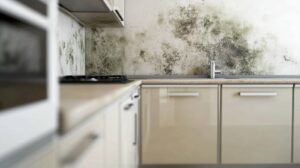
When you encounter black mold in your home, it’s essential to understand its potential hazards. Black mold, scientifically known as Stachybotrys chartarum, is one of several mold types that can thrive in damp environments.
While not all molds are harmful, black mold poses specific health effects that can affect you and your loved ones. Exposure can lead to respiratory issues, allergic reactions, and even more severe conditions, particularly for those with pre-existing health problems.
Recognizing these risks is important for maintaining a safe living space. Symptoms like chronic coughing, sneezing, and skin irritation may indicate mold exposure. Prolonged contact can exacerbate asthma and lead to long-term health complications.
Importance of Safety Gear During Cleanup
When tackling black mold cleanup, wearing the right safety gear is vital to protect yourself from harmful spores.
Essential protective equipment, such as respirators, gloves, and goggles, minimizes health risks during the process.
Essential Protective Equipment
Protective equipment is essential during black mold cleanup to ensure your safety and health.
When tackling mold, you must wear protective gloves to shield your skin from potential irritants and allergens. These gloves should be made of durable materials, ensuring they resist tearing and provide adequate protection.
Additionally, using respiratory masks is vital; they filter out mold spores and other harmful particles, reducing the risk of inhalation. Opt for N95 or higher-rated masks, as they offer superior filtration.
It’s also wise to wear goggles to protect your eyes from irritation.
Preventing Health Risks
While tackling black mold cleanup, prioritizing your health is essential, and using appropriate safety gear plays an important role in this process.
Mold exposure can lead to serious health complications, so equipping yourself properly is non-negotiable. Here are four key items you should always wear:
- N95 Respirator: This protects your lungs from inhaling mold spores.
- Gloves: Use rubber or latex gloves to prevent skin contact with mold.
- Goggles: Protect your eyes from irritants and airborne particles.
- Protective Clothing: Wear long sleeves and pants to minimize skin exposure.
Identifying the Source of Moisture
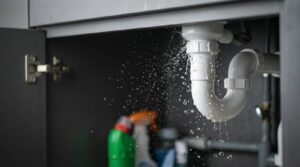
To effectively address black mold issues, you must first identify the source of moisture contributing to its growth. Common moisture sources include leaks from pipes, roofs, or windows, as well as excessive humidity from poorly ventilated areas.
Start with leak detection by inspecting your home for visible signs of water damage; look for discoloration, peeling paint, or warped surfaces. Pay close attention to areas around plumbing fixtures and appliances, as these are often the culprits.
You might also want to monitor humidity levels, particularly in basements, bathrooms, and kitchens. Utilizing a hygrometer can help you determine if humidity is consistently above 60%, which creates an ideal environment for mold proliferation.
Effective Containment Strategies
Implementing effective containment strategies is essential for preventing the spread of black mold during cleanup. By establishing clear boundaries, you can protect unaffected areas while ensuring a safer environment for everyone involved.
Here are four key strategies you should consider:
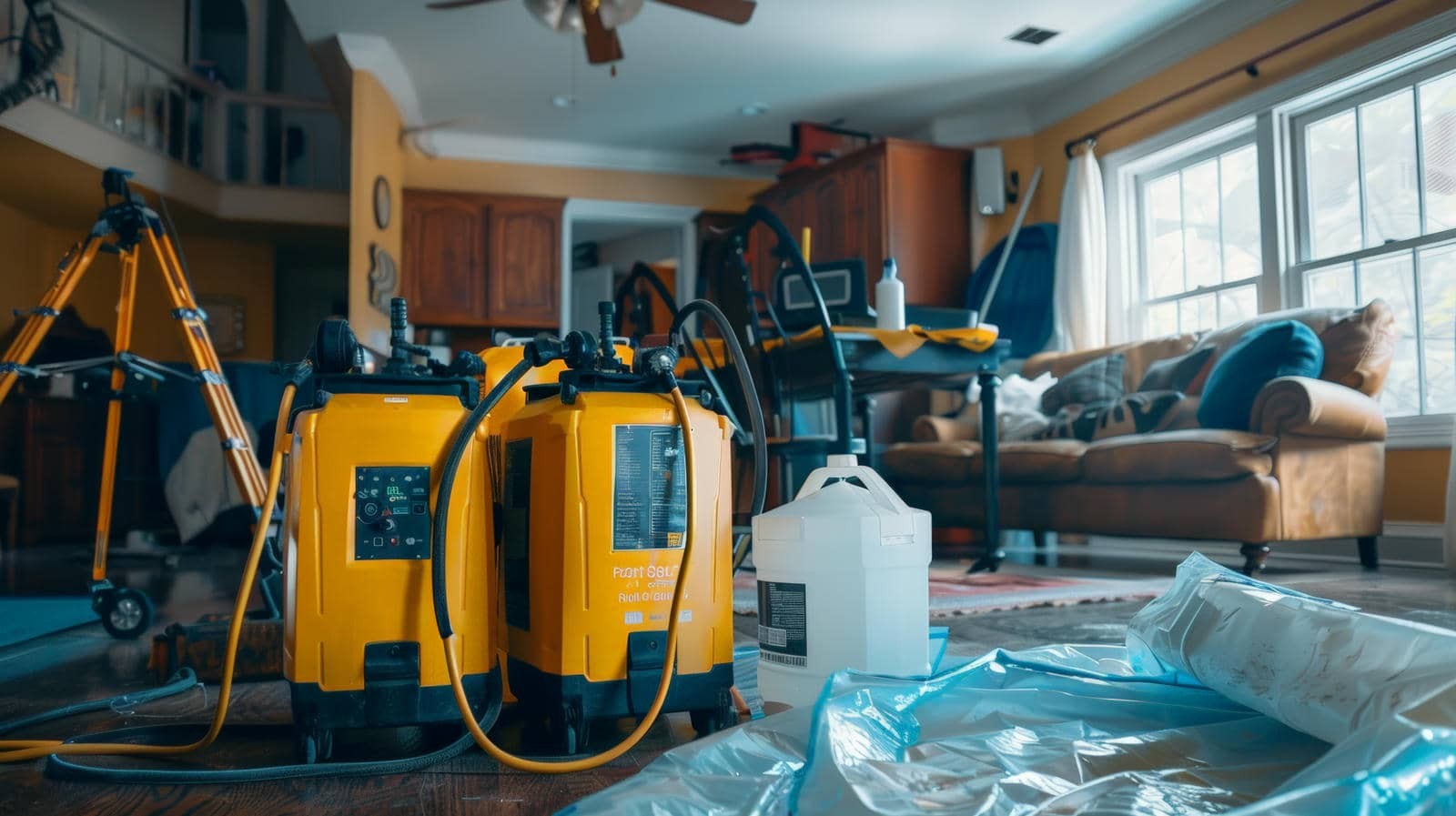
Containment Barriers: Use plastic sheeting to create physical barriers around the affected area, sealing off entrances and windows to limit mold spores’ movement.
Air Filtration: Employ HEPA air filters to capture airborne spores and particles, greatly improving air quality during the cleanup process.
Negative Pressure: Set up negative air pressure systems to prevent mold spores from escaping the containment area, ensuring that contaminants are directed outside.
Personal Protective Equipment: Equip yourself and your team with appropriate PPE, including masks and gloves, to ensure safety while working in contaminated areas.
Recommended Cleaning Solutions and Methods
When tackling black mold cleanup, selecting the right cleaning solutions and methods is crucial for effective remediation. You can choose from eco-friendly solutions or commercial products, depending on your needs and preferences.
For an eco-friendly approach, consider using a mixture of vinegar and water, which effectively kills mold spores without harsh chemicals. Baking soda mixed with water is another excellent option, neutralizing odors while preventing mold regrowth.
If you prefer commercial products, look for those specifically designed for mold removal. Verify they contain EPA-approved ingredients that are safe for indoor use. Always follow the manufacturer’s instructions for application, and wear protective gear to safeguard yourself during the process.
Proper Disposal of Contaminated Materials
When disposing of contaminated materials, it’s vital to handle them safely to prevent further contamination.
You should always follow local disposal regulations to ensure compliance and minimize health risks.
Additionally, wearing protective gear is essential to safeguard yourself from exposure during the disposal process.
Safe Material Handling
Since black mold can pose serious health risks, proper disposal of contaminated materials is essential to secure safety during cleanup.
Following safe material handling procedures protects you and others from exposure. Here are key steps to ensure material safety:
Wear protective gear: Always use gloves, masks, and goggles to prevent direct contact with mold.
Seal contaminated items: Place affected materials in heavy-duty garbage bags and seal them tightly to contain spores.
Label bags: Clearly mark bags as “mold contaminated” to alert others of potential hazards.
Dispose properly: Follow your local regulations for disposal to secure safe handling of hazardous waste.
Local Disposal Regulations
Understanding local disposal regulations is essential after sealing contaminated materials. Each community has specific guidelines for local waste management, especially when it comes to hazardous material disposal.
You’ll want to familiarize yourself with these regulations to ensure compliance and safety. In many areas, contaminated items like drywall, insulation, and flooring must be disposed of at designated facilities that handle hazardous waste.
Failure to follow these rules can lead to fines or environmental repercussions. Additionally, consider contacting your local waste management authority for detailed instructions and any necessary permits.
Protective Gear Importance
While you’re managing the cleanup of black mold, wearing the right protective gear is vital to safeguard your health.
Contaminated materials can release harmful spores, so proper disposal is imperative. You need to verify you’re equipped with effective protective clothing and respiratory protection to minimize exposure.
Here’s a checklist to keep you safe:
- N95 respirator – Filters out harmful mold spores.
- Long-sleeved shirt and pants – Protects skin from direct contact.
- Gloves – Use nitrile or rubber gloves to prevent skin irritation.
- Goggles – Shield your eyes from mold particles and irritants.
Importance of Thorough Drying Techniques
Thorough drying techniques are vital in preventing the regrowth of black mold after a cleanup. When you effectively eliminate moisture, you create an environment that discourages mold spores from thriving.
Begin by using dehumidifiers and fans to enhance airflow, targeting damp areas that often harbor hidden moisture. Confirm all surfaces, including walls, floors, and furniture, are completely dry before considering the job finished.
Moisture control is essential; even small amounts of residual dampness can lead to rapid mold resurgence. Regularly monitor humidity levels with a hygrometer, aiming to maintain levels below 60%.
Additionally, consider sealing porous materials that may retain moisture, further safeguarding your home. By applying these drying techniques, you protect your space and foster a healthy living environment for you and your loved ones.
Post-Cleanup Inspection and Testing
After completing the black mold cleanup, it’s essential to conduct a thorough inspection and testing to confirm that all mold spores have been effectively removed.
This step is vital for ensuring a safe environment and preventing future issues. Here are some key inspection procedures you should follow:
Visual Inspection: Check for any signs of mold or moisture in the cleaned area.
Air Quality Testing: Use mold testing kits to assess the air quality for any remaining spores.
Surface Testing: Employ swab tests on surfaces to confirm there’s no hidden mold.
Humidity Measurement: Monitor humidity levels to verify they’re within a safe range, ideally below 60%.
Prevention Measures to Avoid Future Mold Growth
Ensuring a mold-free environment requires proactive measures to prevent future growth. Start by using mold-resistant materials in your home, especially in areas prone to moisture, like bathrooms and kitchens. These materials, such as mold-resistant drywall and paints, create a barrier that inhibits mold development.
Humidity control is also critical; keep indoor humidity levels between 30% and 60%. You can achieve this with dehumidifiers, air conditioners, and proper ventilation.
Regularly inspect areas that are susceptible to dampness, like basements and around windows, to catch potential moisture issues early. Seal any plumbing or roofing leaks promptly, and ensure your gutters direct water away from your foundation.
Frequently Asked Questions
How Long Does the Mold Cleanup Process Typically Take?
The mold remediation timeline typically ranges from a few days to a week, depending on the extent of infestation. Efficient cleanup methods can greatly reduce this time, ensuring you return to a safe environment quickly.
Can I Clean Black Mold Myself, or Should I Hire a Professional?
If you discover black mold in your basement, you might consider tackling the cleanup yourself. However, hiring a professional ensures cleanup safety, preventing health risks from exposure, and ensuring thorough remediation. Your health’s worth it.
What Are the Long-Term Health Effects of Black Mold Exposure?
Long-term exposure to black mold can lead to persistent health risks, including respiratory issues, chronic fatigue, and neurological symptoms. You may experience long-term symptoms that greatly impact your quality of life if not addressed promptly.
Are There Specific Types of Mold That Are More Dangerous?
Yes, certain mold varieties, like Stachybotrys chartarum and Aspergillus species, are considered toxic molds. These can pose serious health risks, so it’s essential to identify and address them promptly in indoor environments.
How Can I Tell if Mold Is Completely Removed After Cleanup?
After the cleanup, conduct a thorough visual inspection and perform mold testing to ensure complete removal. Trust your instincts, and if you notice any signs of mold, you might need to repeat the cleanup process.
Conclusion
Using best practices for black mold cleanup isn’t just about removing visible mold; it’s essential for your health and safety. You might think that a simple cleaning will suffice, but without proper techniques and precautions, mold can easily return, posing ongoing risks. By following established protocols, you ensure a thorough job. Imagine a clean, safe space free from mold spores—this is achievable through diligent cleanup and prevention, creating a healthier environment for you and your loved ones.