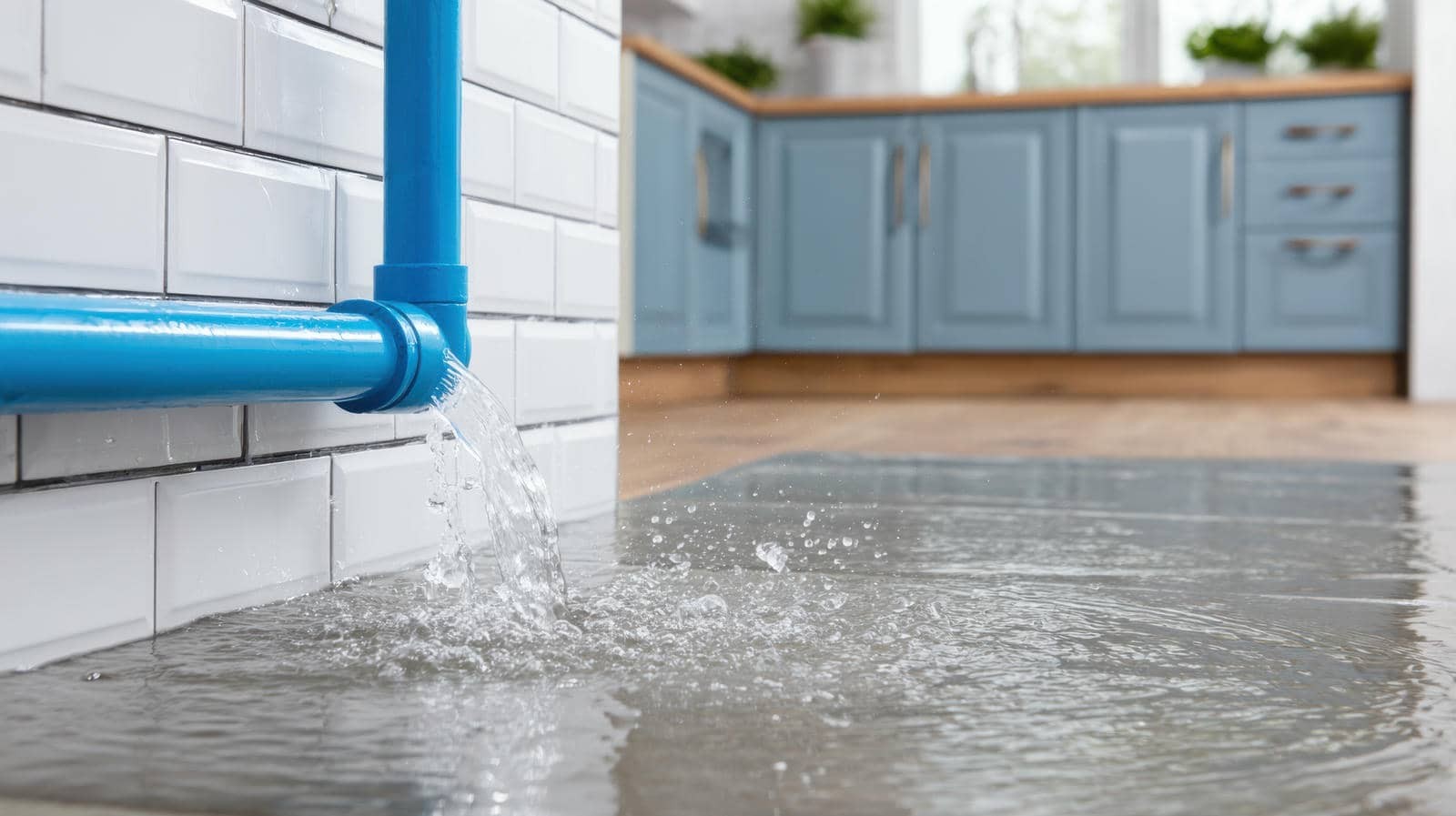
Preventing burst pipe water damage is essential for protecting your home and finances. By understanding the causes, like temperature fluctuations and pressure issues, you can take proactive steps to mitigate risks. Regular inspections and proper insulation play a key role in this process. Addressing potential problems early can save you from costly repairs and extensive damage. So, what specific measures should you implement to safeguard your plumbing system effectively?
Key Takeaways
- Preventing burst pipe water damage saves homeowners from costly repairs and extensive restoration expenses.
- Early detection and maintenance can identify weaknesses before they escalate into major issues.
- Regular inspections ensure efficient plumbing operation and reduce the risk of water-related disasters.
- Addressing potential problems early can mitigate health risks associated with mold and dampness.
- Investing in preventative measures fosters peace of mind and protects property value over time.
Understanding the Causes of Burst Pipes
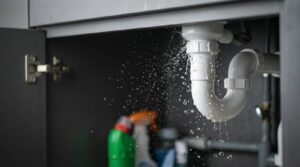
While you mightn’t think about it often, understanding the causes of burst pipes is essential for preventing costly water damage in your home. One notable factor is frozen pipes. When temperatures drop, the water inside pipes can freeze, expanding in volume and increasing pressure on the pipe walls. This pressure can lead to cracks or complete bursts, especially in areas not adequately heated.
Another critical cause is poor insulation. Pipes that are poorly insulated are more vulnerable to freezing in cold weather. Insulating your pipes can help maintain a consistent temperature, reducing the risk of freezing.
Additionally, age and wear can weaken pipes over time, making them more susceptible to bursting under pressure.
The Cost of Water Damage Restoration
The cost of water damage restoration can vary considerably based on the extent of the damage and the specific services required. If you experience a burst pipe, the repair expenses can quickly escalate, depending on factors such as water volume, duration of exposure, and materials affected.
Emergency extraction, drying, and dehumidification services may be needed immediately, often leading to high initial costs.
Insurance costs also play an essential role in your overall financial responsibility. While many homeowners’ insurance policies cover water damage, the extent of coverage can differ. You’ll want to review your policy carefully to understand your deductible and what expenses might fall under your responsibility.
Signs That Indicate Potential Pipe Bursts
How can you tell if your pipes are at risk of bursting? Recognizing the warning signs can save you from costly damage. Pay attention to these indicators:
- Unexplained water stains on ceilings or walls
- A sudden increase in your water bill
- Low water pressure in your faucets
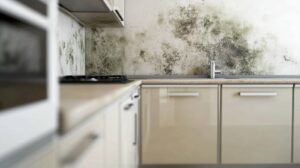
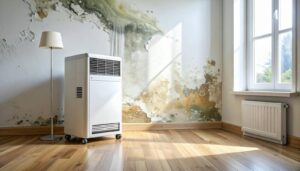
- Persistent dampness or mold growth in your home
Utilizing leak detection systems can help you identify issues early. Incorporating moisture monitoring tools allows you to keep track of humidity levels, which is crucial in preventing pipe bursts.
If you notice any of these signs, it’s essential to act quickly. Ignoring them could lead to significant water damage and expensive repairs. By staying vigilant and addressing potential problems, you can create a safer, more secure environment for you and your loved ones.
Don’t wait until it’s too late; take proactive steps today.
Importance of Regular Pipe Inspections
Regular pipe inspections are essential for maintaining the integrity of your plumbing system, as they can identify potential weaknesses before they escalate into major problems. By scheduling these inspections as part of your regular maintenance routine, you’re investing in the longevity of your home.
During these inspections, a qualified plumber can detect corrosion, leaks, and blockages that mightn’t be visible to the untrained eye. Addressing these issues early can save you from costly repairs and extensive water damage down the line.
It’s not just about fixing what’s broken; it’s about proactively safeguarding your home. Establishing a relationship with a trusted plumbing professional can enhance your sense of community and belonging within your neighborhood.
Regular pipe inspections foster peace of mind, ensuring that your plumbing system operates efficiently, keeping your home safe and secure from the unexpected challenges of burst pipes.
Effective Insulation and Temperature Control
When temperatures drop, effective insulation and temperature control become essential for preventing burst pipes. Proper insulation materials can greatly reduce heat loss and protect your plumbing system. By ensuring that your home is well-insulated, you’ll keep pipes warm even during the coldest months.
Here are some key strategies you can implement:
- Choose high-quality insulation materials, like fiberglass or foam, for both walls and attics.
- Seal any gaps or cracks around windows and doors to minimize cold air infiltration.
- Utilize temperature monitoring systems to keep an eye on the indoor climate and alert you of any dips.
- Insulate vulnerable pipes, especially those in unheated areas, to provide extra protection.
Water Pressure Management Techniques
Maintaining ideal water pressure in your plumbing system can greatly reduce the risk of pipe bursts. You can achieve this by implementing effective water flow regulation techniques.
Start by installing a pressure-reducing valve (PRV) to automatically adjust incoming water pressure, ensuring it stays within a safe range. Regularly monitoring your water pressure with a gauge can help you identify any fluctuations that may lead to potential issues.
Additionally, consider incorporating pressure relief valves in high-risk areas, such as basements or near appliances. These devices can release excess pressure, preventing stress on pipes.
Don’t forget to flush your system periodically to remove sediment buildup, which can obstruct flow and increase pressure.
Emergency Preparedness for Water Damage
To effectively prepare for potential water damage, you should first identify vulnerable areas in your home and assess their risk.
Regular maintenance of your plumbing systems can prevent failures that lead to costly repairs.
Additionally, assembling an emergency kit with essential supplies ensures you’re ready to respond promptly to any water-related incidents.
Identify Vulnerable Areas
Identifying vulnerable areas in your plumbing system is essential for effective emergency preparedness against water damage.
By pinpointing high-risk areas, you can take proactive measures to prevent costly repairs.
Focus on these key pipe locations:
Basements: Often cold and damp, making pipes more susceptible to freezing.
Attics: Heat fluctuations can lead to condensation and pipe bursts.
Exterior Walls: Pipes here are exposed to extreme temperatures and weather.
Under Sinks: High traffic areas prone to wear and tear.
Maintain Plumbing Systems
Regular maintenance of your plumbing systems can considerably reduce the risk of water damage during emergencies. By scheduling routine plumbing maintenance, you can identify potential issues before they escalate. This includes inspecting pipes for signs of wear, corrosion, or joint failures, which can lead to leaks.
Implementing effective leak detection methods, such as pressure testing or moisture sensors, ensures that you catch small leaks early, preventing them from becoming major problems. Additionally, keeping your plumbing system well-maintained enhances its overall efficiency, saving you money on water bills.
Assemble Emergency Kits
Assembling emergency kits is a crucial step in preparing for potential water damage.
Having the right emergency supplies on hand can make all the difference when disaster strikes.
Here are some kit essentials you should include:
- Water-resistant bags for important documents
- Flashlights and batteries for visibility
- First aid supplies for immediate care
- Towels and rags for quick clean-up
Professional Services for Burst Pipe Prevention
When it comes to preventing burst pipe water damage, enlisting professional services can greatly reduce your risk. Experts in plumbing maintenance offer tailored solutions like thorough inspections and assessments of your home’s plumbing system.
They’ll identify vulnerable areas and recommend effective pipe insulation to safeguard against extreme temperatures.
Additionally, professionals can provide routine maintenance checks, ensuring your plumbing operates smoothly. This proactive approach can detect minor issues before they escalate into major problems, helping you avoid costly repairs and damage.
Moreover, professionals can advise on best practices for maintaining your plumbing, creating a detailed prevention strategy that fits your lifestyle.
Frequently Asked Questions
How Can I Identify Weak Points in My Plumbing System?
You can identify weak points in your plumbing system by scheduling regular plumbing inspections and utilizing advanced leak detection technologies. These proactive measures help pinpoint vulnerabilities, ensuring your home remains safe and minimizing potential water damage risks.
What Materials Are Best for Preventing Pipe Bursts?
Using effective pipe insulation can reduce the risk of burst pipes. Also, maintaining balanced water pressure helps prevent stress on pipes, ensuring a more reliable plumbing system for your home.
Can Burst Pipes Occur in Warm Climates?
Yes, burst pipes can occur in warm climates. Factors like temperature fluctuations, inadequate insulation, and increased water pressure contribute to burst pipe causes. Understanding these warm-weather climate considerations is essential for preventing water damage in your home.
How Often Should I Check My Plumbing for Leaks?
You should check your plumbing for leaks at least twice a year. Regular plumbing maintenance and effective leak detection help prevent costly water damage and ensure your home remains safe and comfortable for everyone.
Are There DIY Solutions for Burst Pipe Prevention?
Yes, you can prevent burst pipes with DIY solutions like installing pipe insulation to protect against temperature fluctuations and ensuring proper pressure regulation to avoid excessive pressure buildup. These measures can greatly reduce the risk of damage.
Final Thoughts
Preventing burst pipe water damage is essential for protecting your home and finances. By understanding the causes, recognizing warning signs, and investing in regular inspections, you can greatly reduce your risk. Implementing effective insulation and managing water pressure further enhances your plumbing system’s longevity. Proactive measures today can save you from costly repairs tomorrow.