When a pipe bursts, every second counts. You need to act fast to prevent severe water damage and potential health risks. Ignoring the situation can lead to mold growth and structural issues within 24 to 48 hours. Immediate bust pipes actions like shutting off the water supply and extracting standing water are essential. But how do you assess the damage effectively and know when to call for professional help? The answers might be vital for your property’s future.
Key Takeaways
- Prompt action prevents water contamination, ensuring safety for occupants and minimizing health risks.
- Immediate response mitigates structural damage to walls, ceilings, and floors, saving on costly repairs.
- Mold can develop within 24 to 48 hours; quick intervention reduces health hazards and property damage.
- Professional help ensures a thorough assessment, preventing overlooked hidden damage and assisting with insurance claims.
- Swift action protects your investment and maintains home value by addressing issues before they escalate.
Understanding the Immediate Risks of Burst Pipes
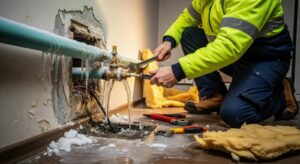
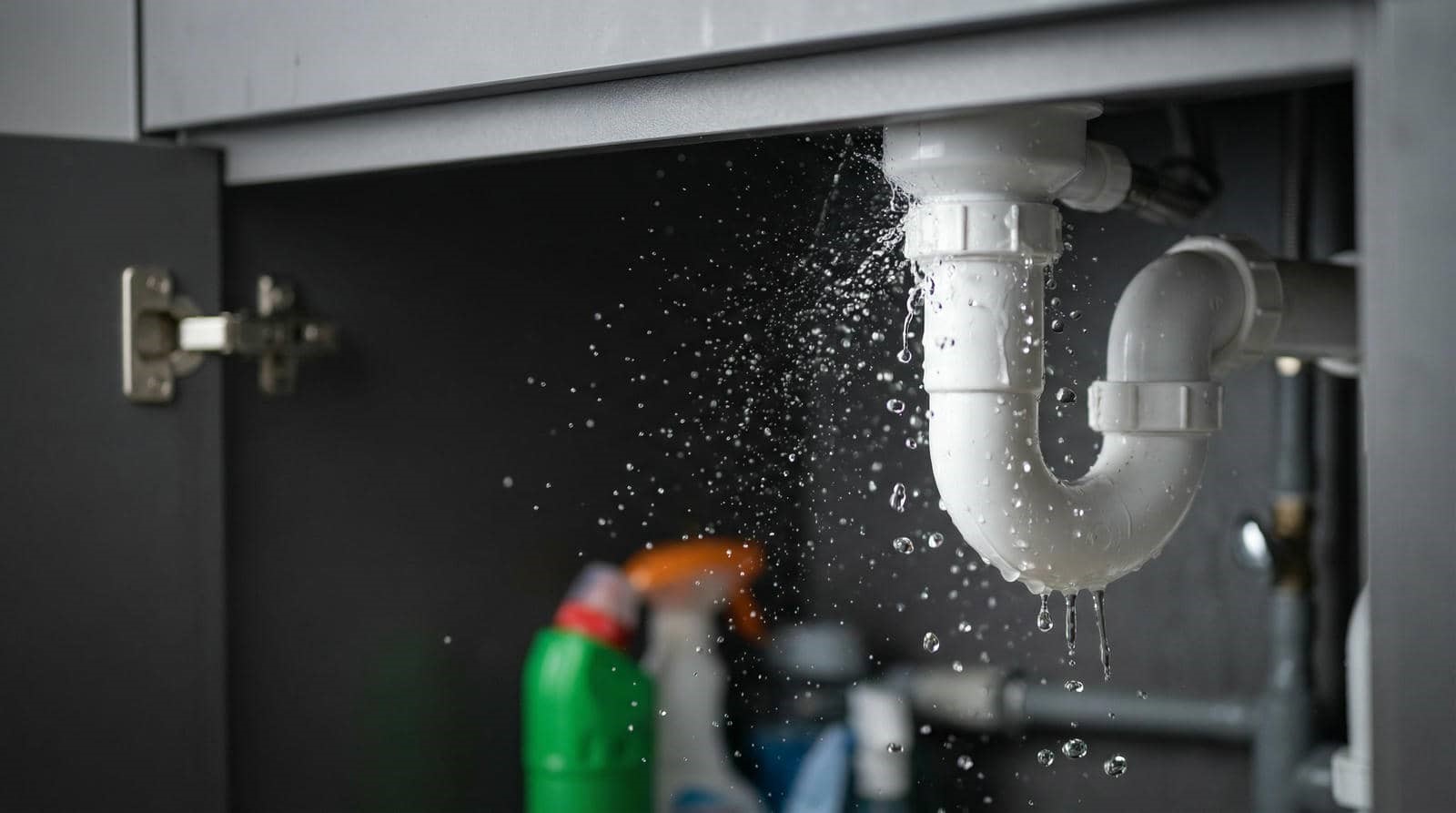
When a pipe bursts, the immediate risks can escalate quickly, making prompt action essential. You must act fast to prevent water contamination, which can compromise the safety of your living environment.
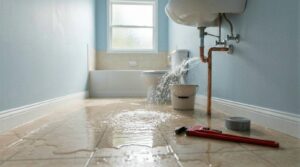
Standing water can lead to harmful bacteria growth, putting you and your loved ones at risk. Additionally, you need to evaluate the structural integrity of your property. A burst pipe can weaken walls, ceilings, and floors, making them prone to collapse or severe damage.
If you delay addressing these issues, the costs of repair and restoration can skyrocket. To mitigate these risks, shut off the water supply immediately and contact professionals who specialize in water damage restoration.
They possess the expertise and tools necessary to handle the situation effectively. Remember, the quicker you respond, the better you’ll protect your home and your family’s well-being.
Assessing Water Damage Before Restoration
After shutting off the water supply, you must assess the extent of the water damage before any restoration efforts begin. A thorough water assessment is essential for effective damage evaluation.
Start by inspecting areas affected by water to identify visible damage. Look for:
- Warped or stained walls and ceilings
- Pooling water in low areas
- Mold growth or musty odors
- Damaged electrical outlets or wiring
Document your findings to provide a clear picture of the situation. This initial assessment helps you prioritize repairs and prevent further damage.
Remember, timely action is fundamental to mitigate risks like structural integrity loss or mold development. By understanding the full scope of the damage, you can make informed decisions that will guide your restoration efforts effectively.
Don’t underestimate the importance of this step; it sets the foundation for a successful recovery.
Importance of Professional Help in Emergency Situations
Although you might feel tempted to handle water damage on your own, seeking professional help is essential in emergency situations.
When burst pipes create chaos, the urgency of proper emergency response can’t be overstated. Professionals bring specialized tools and knowledge that you simply don’t have. They assess the situation quickly, ensuring that no hidden damage goes unnoticed.
Time is of the essence; mold can develop within 24 to 48 hours.
With their professional expertise, restoration experts can effectively mitigate risks, preventing further damage to your property and belongings. They also understand the complexities of insurance claims, helping you navigate the process smoothly.
Steps to Mitigate Further Damage
To minimize further damage from burst pipes, you must act swiftly and methodically. Delaying your response can lead to significant issues like mold growth and structural damage.
Here are essential steps to take:
Shut off the water supply: This stops additional water from flooding your space.
Begin water extraction: Use pumps or wet vacuums to remove standing water immediately, as this is vital for mold prevention.
Ventilate the area: Open windows and use fans to promote air circulation, helping to dry out damp surfaces.
Assess and document the damage: Take photos for insurance claims and professional evaluations, ensuring you have a clear record of the situation.
Long-term Consequences of Delayed Action
Neglecting to address a burst pipe promptly can lead to severe long-term consequences that extend beyond immediate water damage. If you wait too long, you risk significant mold growth, which can compromise your health and the air quality in your home. Mold thrives in damp environments, and within just 24 to 48 hours, it can begin to take hold.
Moreover, delayed action can result in structural damage to your property. Water can weaken walls, ceilings, and floors, leading to costly repairs over time. This diminishes your home’s value and creates safety hazards for you and your loved ones.
Taking swift action isn’t just about dealing with a mess; it’s about protecting your investment and ensuring a safe, healthy environment for your family.
Don’t let procrastination turn a minor issue into a major crisis—act fast to prevent these long-term consequences.
Preventive Measures for Future Incidents
To prevent future pipe bursts, you need to prioritize regular inspections to catch issues early.
Insulating vulnerable areas can greatly reduce the risk of freezing and subsequent breaks.
Additionally, ensure easy access to emergency shut-off valves to mitigate damage during an incident.
Regular Pipe Inspections
Regular pipe inspections are essential for preventing future incidents of burst pipes and costly damage to your property. By prioritizing pipe maintenance, you can identify vulnerabilities before they escalate into emergencies.
Establishing an appropriate inspection frequency ensures that you’re always aware of your plumbing system’s condition.
- Detect early signs of wear or corrosion
- Prevent costly emergency repairs
- Ensure compliance with local regulations
- Extend the lifespan of your plumbing system
Taking these proactive steps protects your property and fosters a sense of security within your community.
Don’t wait until it’s too late; schedule regular pipe inspections to safeguard your home and maintain peace of mind for you and your loved ones.
Insulation for Vulnerable Areas
When temperatures drop, uninsulated pipes in vulnerable areas can quickly become a recipe for disaster. You can’t afford to overlook these critical spots—basements, attics, and crawl spaces are especially prone to freezing.
By investing in pipe insulation, you’ll create a protective barrier that helps maintain temperature and prevent future burst pipes. The right insulation material keeps your pipes warm, reduces heat loss, and minimizes the risk of damage.
Take action now to safeguard your home and your peace of mind. Remember, proper insulation not only protects your property but fosters a sense of security within your community.
Don’t wait for a disaster to strike; prioritize insulation in vulnerable areas today. Your home deserves it, and so do you.
Emergency Shut-Off Access
Having easy access to your home’s emergency shut-off valve is vital for mitigating damage from burst pipes. Knowing your shut-off location is an important part of emergency preparedness.
When disaster strikes, every second counts.
Locate the shut-off valve and make certain it’s easily reachable.
Regularly test the valve to confirm it’s operational.
Clearly label the shut-off location for family members.
Educate everyone in your household on how to use it effectively.
Frequently Asked Questions
How Do I Know if the Pipes Are Burst?
You’ll know pipes are burst if you notice water pooling, damp walls, or unusual increases in your water bill. Use pipe inspection techniques to identify leaks early, addressing these warning signs promptly to prevent serious damage.
What Should I Do Immediately After Discovering a Burst Pipe?
When a burst pipe strikes, act like a firefighter in an emergency response. Turn off the main water supply, drain remaining water, and contact a plumber immediately. Your swift initial actions can prevent extensive damage.
Will Homeowners Insurance Cover Water Damage From Burst Pipes?
Yes, homeowners’ insurance often covers water damage from burst pipes, but it depends on your policy. You should file an insurance claim promptly to ensure you receive the maximum water damage coverage possible.
How Can I Find a Reliable Restoration Service?
You can find a reliable restoration service by researching online and asking for referrals from friends or family. For instance, a neighbor’s recommendation led to quick, effective repairs after their burst pipe incident. Don’t hesitate!
Can I Handle Minor Burst Pipe Repairs Myself?
You can handle minor burst pipe repairs yourself with DIY methods. However, make certain you’ve shut off the water supply first. If the damage worsens, don’t hesitate to call a professional for proper restoration.
Conclusion
In the race against ruin, rapid response is essential. By swiftly shutting off the water and securing professional assistance, you safeguard your sanctuary from severe structural setbacks. Every minute counts; don’t delay in addressing the damage. Acting fast curtails costs and protects your property’s integrity and your family’s health. Remember, prevention is paramount—implement proactive measures to avoid future disasters and ensure your home remains a haven of safety and stability.