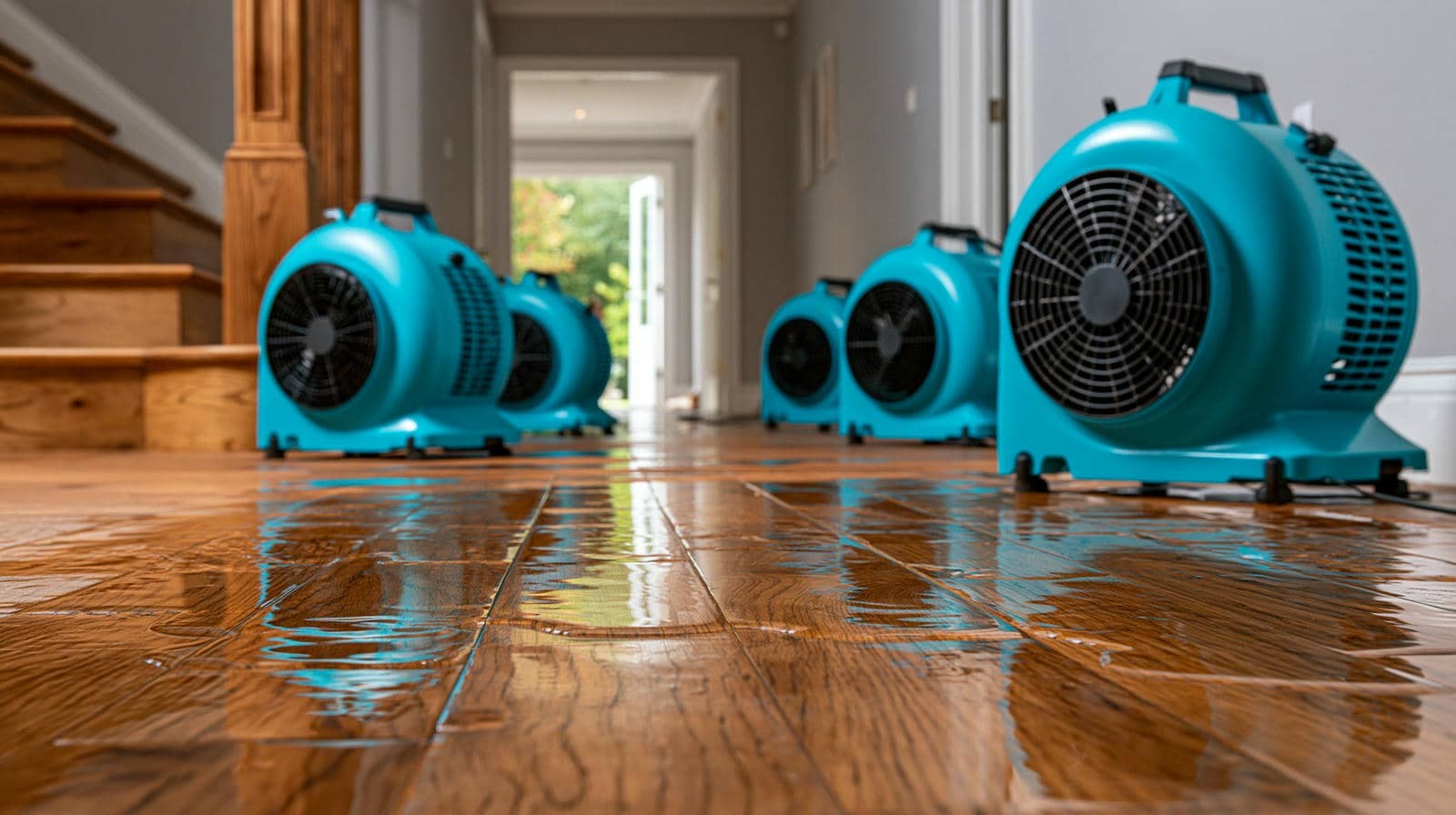
When water gets into your home, you need more than surface cleanup. Emergency structural drying uses targeted airflow, dehumidification, and moisture monitoring to pull water from walls, floors, and framing before damage spreads. You can’t always see where moisture hides, which is why fast action matters. The process can protect materials, limit mold risk, and help you avoid repairs that get worse by the hour.
Key Takeaways
- Emergency structural drying rapidly removes moisture after water damage to prevent deterioration, mold growth, and material failure.
- It uses water extraction, airflow, dehumidification, and temperature control to dry affected building materials safely.
- Moisture assessment identifies hidden dampness and helps map the full extent of water damage.
- Fast drying is critical because mold can begin growing within 24 to 48 hours in damp conditions.
- The goal is to restore materials to normal moisture levels and maintain long-term structural integrity.
What Is Emergency Structural Drying?
Emergency structural drying is the rapid process of removing moisture from a building’s structure after water damage to prevent further deterioration, microbial growth, and material failure. You use it to stabilize affected materials quickly and restore safe conditions for your property.
The process typically starts with water extraction, then continues with controlled airflow, dehumidification, and temperature management. You also perform a moisture assessment to measure hidden dampness in walls, floors, and framing. This helps you target drying efforts accurately and verify that moisture levels return to acceptable ranges.
When you act fast and follow a structured method, you reduce repair complexity and protect the space you belong to, keeping your home or business sound, clean, and ready for normal use.
Signs Your Home Needs Structural Drying
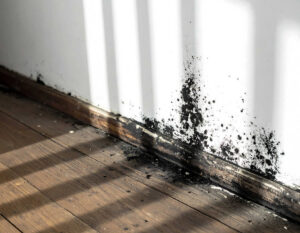
You may need structural drying if you see visible water damage such as warped materials, staining, bubbling paint, or swollen drywall.
Musty odors also signal trapped moisture, which can support microbial growth and hidden damage.
If you notice either sign, you should assess the affected structure quickly to limit further deterioration.
Visible Water Damage
Look for:
- Stained drywall with spreading rings
- Warped hardwood or buckled laminate
- Peeling paint near trim or seams
- Swollen baseboards or sagging ceiling panels
These signs show moisture has moved beyond the surface and into building assemblies. When you notice them, you’re not alone; homeowners in your situation face the same repair risk.
Emergency structural drying removes trapped water, stabilizes materials, and limits further deterioration. Quick action protects your home’s structure and helps you keep control of the recovery process.
Musty Odors Present
When hidden moisture lingers in walls, floors, or crawlspaces, musty odors often appear before major structural damage becomes obvious.
You may notice a musty smell in closed rooms, near baseboards, or after HVAC starts circulating air. That odor usually signals hidden mold growth, damp insulation, or trapped humidity.
To find odor sources, check plumbing leaks, wet subfloors, roof intrusion, and areas with poor airflow. If the scent returns after cleaning, the structure likely still holds moisture.
Emergency structural drying removes that moisture fast, helping you reduce contamination, protect materials, and restore a healthier living space.
When you act early, you support your home and keep your household in a safer, more comfortable place.
Why Fast Drying Prevents Bigger Damage
Fast drying limits moisture exposure, which helps stop mold growth before it starts.
It also protects structural integrity by reducing swelling, warping, and material breakdown in framing, drywall, and subfloors.
Mold Growth Prevention
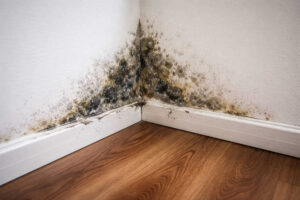
Even a small delay in structural drying can create the damp conditions mold needs to start colonizing materials within 24 to 48 hours.
You protect your space by lowering moisture fast, because mold spores already exist in the air and only need water to activate. Effective moisture control helps you keep that window from opening.
- Extract standing water quickly.
- Run dehumidifiers to reduce relative humidity.
- Increase airflow across wet surfaces.
- Verify hidden cavities are dry.
When you act early, you limit the environment mold wants, so your property stays safer and your team avoids preventable cleanup.
Fast drying isn’t just cleanup; it’s contamination prevention that keeps you in control.
Structural Integrity Protection
As moisture lingers in walls, floors, and framing, it weakens materials and accelerates warping, swelling, corrosion, and fastener failure. You protect structural integrity by acting fast, because saturated wood loses stiffness and drywall, subflooring, and sheathing can deform under normal load.
A precise moisture assessment helps you locate hidden retention points, measure material saturation, and verify where drying must start. Then you can apply targeted drying techniques that reduce water content before members stay stressed too long.
When you restore normal moisture levels quickly, you keep joints tight, preserve load paths, and reduce the chance of permanent distortion. In a response team, you’re not just removing water—you’re defending the structure your property depends on and helping everyone regain confidence sooner.
Secondary Damage Reduction
Swift drying limits secondary damage by cutting off the conditions that let moisture spread into insulation, finishes, and concealed cavities.
When you act fast, you reduce swelling, staining, corrosion, and microbial growth before they become costly repairs. A precise moisture assessment tells you where water remains and which materials still need attention.
Then targeted drying techniques remove trapped humidity without over-drying unaffected areas.
- You stop wicking in drywall and flooring.
- You protect adhesives, trim, and fasteners.
- You reduce odor and contamination risks.
- You keep repair scopes smaller and faster.
How Emergency Structural Drying Works
Emergency structural drying starts immediately after water intrusion to limit absorption into framing, subfloors, drywall, and insulation.
You begin with a moisture assessment, using meters and visual checks to locate wet materials and map the affected area.
Then you apply targeted drying techniques that move air, control humidity, and remove hidden moisture before it spreads.
You’ll often see dehumidification paired with containment so the environment stays stable and efficient.
This process helps you regain control quickly and reduces the chance of lingering odors, microbial growth, and material distortion.
When you act fast, you protect the structure’s integrity and support a faster return to normal conditions.
It’s a coordinated response, and you’re part of the solution from the start.
How Pros Dry Walls, Floors, and Framing
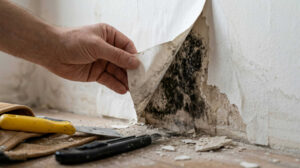
Once the wet areas are mapped, pros target each material based on how water moves through it. You’ll see wall moisture checked at baseboards, seams, and cavities, then drying techniques adjusted to reduce hidden dampness without overworking sound areas.
They often follow a clear sequence:
- Open limited access points to let trapped moisture escape.
- Lift or protect flooring edges so you can dry under layers.
- Separate framing members where water sits in joints.
- Recheck readings until materials return to safe levels.
This process helps you stay ahead of mold, swelling, and warping. You’re not guessing; you’re matching the drying method to the material, which keeps the structure stable and speeds recovery for everyone on site.
What Equipment Structural Drying Uses
Structural drying relies on specialized gear that moves moisture out fast and lets you control conditions room by room.
You’ll usually see air movers placed to push humid air off wet materials and speed evaporation. Then dehumidifier types pull that moisture from the air, and you choose the right unit based on room size, humidity load, and power access.
You may also use moisture meters to check hidden dampness, thermo-hygrometers to track temperature and relative humidity, and containment plastic to isolate work zones.
This setup helps you work as a team, keep conditions stable, and dry affected areas efficiently.
When you match the equipment to the loss, you get faster results, cleaner drying, and fewer surprises during the job.
How Structural Drying Prevents Mold Growth
By drying materials quickly and controlling indoor humidity, you stop mold spores from finding the warm, damp conditions they need to grow. You also protect your space and keep your crew, family, or tenants feeling secure.
When moisture drops below the threshold mold prefers, colonies can’t establish on wood, drywall, or insulation. Effective humidity control limits airborne spores’ ability to settle and spread.
- Lower surface moisture fast.
- Keep relative humidity in check.
- Remove hidden damp pockets.
- Stabilize indoor air so mold spores stay inactive.
You’ll reduce odor, staining, and material loss while supporting a healthier indoor environment.
Structural drying gives you a practical way to regain control after water intrusion and keep everyone in your building on the same page.
What Happens During Structural Drying
During structural drying, you remove water from building materials and the air in a controlled sequence to stop further damage.
You start with inspection and moisture mapping so you know where the saturation sits. Then you use water extraction to pull standing water from carpets, subfloors, and structural cavities.
After that, you set air movers, dehumidifiers, and, when needed, heat to accelerate evaporation. Technicians monitor readings daily and adjust drying techniques as conditions change.
You’ll see materials tested until they reach target moisture levels that match unaffected areas. This process helps your property return to a stable, healthy state, and it keeps you connected to a team that understands what your space needs to recover correctly.
Frequently Asked Questions
How Long Does Emergency Structural Drying Usually Take?
You’ll usually need three to five days, though bigger losses can take longer. Your drying techniques, moisture readings, and material types shape the restoration timeline, so you’ll want a professional monitor progress closely.
Does Insurance Cover Emergency Structural Drying Costs?
Usually, yes—if your insurance policies cover sudden water damage. For example, after a burst pipe, you’d file promptly and check coverage limits. You’ll feel more confident knowing your insurer often pays emergency structural drying costs.
Can I Stay in My Home During the Drying Process?
You can sometimes stay home during drying, but you’ll need safety precautions and should watch for health concerns. You should avoid affected areas, follow equipment instructions, and confirm with your restoration technician before remaining inside.
How Much Does Structural Drying Typically Cost?
You’ll usually pay $1,000 to $5,000 for structural drying, but cost factors like water volume, affected materials, and equipment create pricing variations. You’ll get better value when you act quickly and use a reputable team.
Is Emergency Structural Drying Needed After Small Leaks?
Yes, you might need emergency structural drying after small leaks if moisture lingers. You’ll limit small leak impacts, protect materials, and support mold prevention by drying walls, floors, and cavities quickly and thoroughly.
Summary
Emergency structural drying helps you stop water damage before it spreads. You can see the difference fast: within 24–48 hours, mold can begin growing on damp materials, so quick drying matters. By extracting water, controlling airflow, and removing hidden moisture, pros protect your walls, floors, and framing from decay and structural failure. If you act early, you reduce repair costs, preserve building materials, and return your space to a safe, stable condition.