
When dealing with black mold, understanding reliable mold removal techniques is vital. Mold can pose serious health risks, and identifying the right approach is significant for effective eradication. From natural cleaning agents to chemical solutions, each method has its merits. However, evaluating the situation and ensuring safety precautions are in place can make all the difference. What specific techniques should you consider to tackle this persistent problem?
Key Takeaways
- Use a vinegar solution by spraying undiluted white vinegar on mold, letting it sit for an hour before scrubbing to effectively kill spores.
- Create a baking soda paste with water, apply it to the affected area, scrub gently, and rinse to remove mold without harsh chemicals.
- Employ hydrogen peroxide (3% solution) by spraying it on the mold, allowing it to sit for 10 minutes before scrubbing for deeper cleaning.
- Consider professional mold remediation services for extensive infestations or persistent issues to ensure thorough and safe removal.
- Maintain a well-ventilated environment and keep indoor humidity below 60% to prevent future mold growth effectively.
Understanding Black Mold and Its Risks
Many homeowners underestimate the dangers of black mold, but even a small amount can pose significant health risks.
Understanding mold types is vital, especially since black mold, or Stachybotrys chartarum, is known for its particularly severe health effects. Exposure can lead to respiratory issues, skin irritation, and even neurological symptoms in sensitive individuals.
You mightn’t realize that mold thrives in damp, poorly ventilated spaces, making it essential to identify potential problem areas in your home.
The risks escalate if you have young children, elderly family members, or anyone with pre-existing conditions.
Assessing the Extent of Mold Infestation
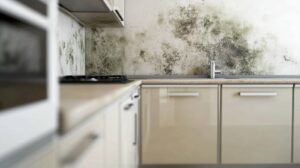
How can you effectively determine the extent of a mold infestation in your home? Start by using mold detection methods like visual inspections and moisture readings. Look for discoloration on walls, ceilings, and floors, as well as musty odors. These indicators often signal visible mold growth, but don’t stop there.
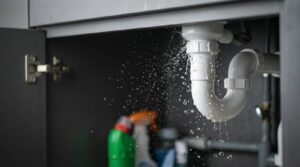
Check hidden areas such as behind appliances, inside cabinets, and under sinks where moisture might accumulate.
Next, assess the infestation severity. If you find mold covering an area smaller than 10 square feet, you might handle it yourself with proper techniques. However, larger infestations often require professional intervention.
Consider using air quality testing kits to identify mold spores in the air, which can help clarify the scope of the problem. By understanding these methods, you’ll be better equipped to take action and ensure a safe and healthy living environment for yourself and your loved ones.
Safety Precautions Before Starting Removal
Before you start removing black mold, it’s crucial to prioritize your safety.
Equip yourself with appropriate personal protective equipment, and verify the area is well-ventilated and contained to prevent spores from spreading.
Taking these precautions will help minimize health risks and make the removal process more effective.
Personal Protective Equipment
Although you may feel confident tackling black mold removal, prioritizing safety through proper personal protective equipment (PPE) is essential.
Start by donning appropriate safety gear, including N95 respirators to filter airborne spores and safety goggles to protect your eyes. It’s important to wear protective clothing, such as long-sleeved shirts and pants, to minimize skin exposure.
Choose disposable coveralls if possible to prevent cross-contamination. Additionally, durable gloves, preferably made of nitrile, will shield your hands from harmful mold and cleaning agents.
Ventilation and Containment
When tackling black mold removal, ensuring proper ventilation and containment is essential for minimizing health risks and preventing further spread.
Start by employing effective ventilation methods, such as opening windows and using fans to circulate air. This helps to disperse mold spores and reduce inhalation risks.
Next, implement robust containment strategies, like sealing off the affected area with plastic sheeting and using duct tape. This protects the rest of your home from contamination and keeps the mold contained during removal.
Remember to create a negative pressure environment if possible, which further prevents spores from escaping.
Identifying Sources of Moisture
Since moisture is the primary catalyst for black mold growth, identifying its sources is essential for effective remediation.
You need to inspect your home for potential moisture sources to prevent mold from taking hold.
Pay close attention to the following:
- Water Leaks: Check for leaks in plumbing, roofs, and windows. Even small leaks can create damp areas conducive to mold growth.
- Humidity Levels: Monitor indoor humidity, especially in basements and bathrooms. Aim to keep humidity below 60% to deter mold.
- Condensation: Look for condensation on windows, walls, or pipes. This can indicate poor insulation or ventilation, leading to moisture buildup.
Effective Cleaning Solutions for Black Mold
When tackling black mold, choosing the right cleaning solution is essential.
You can opt for natural cleaning agents, chemical mold removers, or even professional remediation services, depending on the severity of the infestation.
Understanding the effectiveness and safety of each option will help you make an informed decision.
Natural Cleaning Agents
While many commercial products claim to tackle black mold effectively, natural cleaning agents can also provide a powerful and eco-friendly alternative.
You can utilize these natural remedies to combat black mold without harsh chemicals. Here are three effective options:
- Vinegar: Its acidic properties can kill around 82% of mold species. Spray undiluted vinegar on the affected areas and let it sit for at least an hour before wiping.
- Baking Soda: This gentle abrasive can be mixed with water to create a paste. Apply it to moldy surfaces and scrub gently.
- Tea Tree Oil: This essential oil is a potent antifungal. Mix it with water in a spray bottle and apply it to the moldy area.
These eco-friendly solutions protect your health and contribute to a safer environment.
Chemical Mold Removers
Although natural cleaning agents can effectively combat black mold, sometimes stronger measures are necessary. Chemical mold removers offer enhanced chemical efficacy, allowing you to tackle stubborn infestations more efficiently.
Common removal methods include bleach solutions, ammonia-based cleaners, and specialized commercial products designed for mold elimination.
When using chemical mold removers, ensure proper ventilation and wear protective gear to safeguard your health. Each product varies in effectiveness, so consider factors like the severity of mold growth and the surface you’ll treat.
Researching options and understanding their active ingredients will empower you to make informed decisions. By choosing the right chemical solution, you can reclaim your space from mold and foster a healthier environment for yourself and your loved ones.
Professional Remediation Services
If you’re facing a severe black mold problem, enlisting professional remediation services might be the most effective solution.
These experts utilize advanced mold assessment techniques to ensure thorough identification and removal.
Here’s what you can expect:
- Comprehensive Assessment: Professionals perform detailed inspections to pinpoint mold locations and assess damage.
- Specialized Equipment: They use advanced tools and techniques to safely remove mold and prevent future growth.
- Transparent Remediation Costs: You’ll receive a clear breakdown of costs involved, assuring no hidden fees.
Professional Mold Remediation Services
When dealing with mold issues, enlisting professional mold remediation services is often the most effective solution.
These experts provide thorough mold inspections and identify underlying moisture problems contributing to mold growth. Their specialized equipment and techniques ensure that mold is removed safely and completely, reducing the risk of health issues for you and your family.
While remediation costs can vary, investing in professional services often saves you money in the long run by preventing further damage.
Professionals also offer warranties and follow-up inspections, giving you peace of mind and ensuring that the problem doesn’t return.
DIY Mold Removal Techniques
While professional services offer a thorough solution, many homeowners prefer DIY mold removal techniques due to their accessibility and cost-effectiveness.
If you’re facing mold growth in your home, you can take action with these effective removal tips:
- Vinegar Solution: Spray undiluted white vinegar on the affected areas. Let it sit for at least an hour before wiping it clean. Vinegar’s natural acidity helps kill mold spores.
- Baking Soda Paste: Mix baking soda with water to form a paste. Apply it to the moldy surface, scrub, and rinse. This method is effective and safe for various surfaces.
- Hydrogen Peroxide: Use a 3% hydrogen peroxide solution. Spray it on the mold and let it sit for 10 minutes before scrubbing. It’s a potent antifungal that can tackle stubborn mold.
Preventing Future Mold Growth
After successfully tackling mold with DIY methods, the next step is ensuring it doesn’t return. You can achieve this by incorporating mold-resistant materials in your home.
Consider using these materials for walls, ceilings, and flooring, as they provide an extra layer of protection against mold growth.
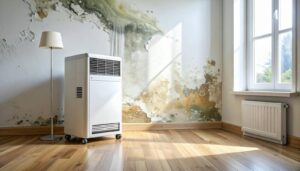
Humidity control is also essential. Keep indoor humidity levels below 60% by using dehumidifiers and ensuring proper ventilation in damp areas like bathrooms and kitchens.
Regularly inspect these spaces for any signs of moisture build-up, as even minor leaks can lead to mold resurgence.
Additionally, make sure that gutters are clean and functioning to prevent water accumulation around your home’s foundation.
Importance of Post-Removal Inspection
Although you may feel relieved after removing black mold, conducting a thorough post-removal inspection is essential to ensure all traces of mold are eliminated and to prevent future infestations.
A post-removal evaluation helps confirm that your home is safe and healthy.
Here’s an inspection checklist to guide you through the process:
- Visual Inspection: Check all previously affected areas for signs of mold regrowth or moisture.
- Air Quality Testing: Consider using mold test kits or professional services to assess the air quality and detect hidden spores.
- Humidity Levels: Use a hygrometer to monitor indoor humidity, ensuring it stays below 60% to discourage mold growth.
When to Seek Professional Help
How can you determine when it’s time to call in a professional for black mold removal? If you notice extensive mold growth—more than a few square feet—it’s a clear sign you need expert help.
Mold health concerns escalate quickly, especially if you or your loved ones experience respiratory issues, allergies, or other health problems linked to mold exposure. Additionally, if you’ve attempted DIY methods without success, don’t hesitate to seek remediation.
Look out for signs like persistent dampness or musty odors, as these indicate a deeper issue. Professionals possess the necessary tools and expertise to accurately assess the situation and ensure thorough removal.
Remember, ignoring mold can lead to structural damage and severe health risks. By recognizing these remediation signs early, you’ll protect your home and safeguard your family’s well-being.
Don’t wait until it’s too late; trust the experts when the situation calls for it.
Conclusion
Successful black mold removal hinges on careful consideration and consistent caution. By combining cleaning concoctions, from vinegar to baking soda, with proactive prevention practices, you can combat this hazardous health hazard effectively. Always assess the situation, adopt safety measures, and ensure thorough inspections are conducted post-removal. If the infestation intensifies, don’t hesitate to seek skilled specialists. Taking these steps safeguards your space and supports a healthier home environment free from mold’s menacing might.