
Isn’t it frustrating when water damage strikes and costs seem to spiral out of control? Understanding your options can help you navigate this tricky situation. From DIY cleanup methods to finding reliable, budget-friendly restoration companies, there are practical steps you can take. Furthermore, evaluating insurance coverage and considering preventative measures can greatly impact your expenses. Let’s explore how to effectively manage water damage restoration without breaking the bank.
Key Takeaways
- Research local water damage restoration companies that offer competitive pricing and are familiar with community needs for reliable service.
- Compare quotes from multiple restoration providers to evaluate services and find the most affordable options available.
- Look for online reviews and recommendations to identify trustworthy companies that provide quality work at reasonable rates.
- Check your insurance policy for coverage options to offset restoration costs and explore additional endorsements if necessary.
- Consider DIY cleanup methods for minor incidents to save on professional costs while ensuring safety precautions are followed.
Understanding Water Damage Restoration Costs
When dealing with water damage restoration, understanding costs can be vital for homeowners. A thorough water damage assessment is your first step, as it outlines the extent of the damage and the necessary repairs. This evaluation typically involves inspecting affected areas, identifying sources of moisture, and determining the type of water involved.
Once you’ve completed the assessment, you can move on to restoration budgeting. This process entails estimating expenses for materials, labor, and any specialized equipment needed for effective restoration. Be prepared for costs that can vary widely, depending on the severity of the damage.
Accurate budgeting helps you avoid surprises and ensures that you can allocate funds for immediate action. It’s important to collaborate with professionals who can provide detailed quotes based on their assessments, giving you a clear picture of what to expect financially.
This proactive approach mitigates damage and fosters peace of mind.
Do-It-Yourself Water Damage Cleanup Tips
After evaluating the damage and budgeting for the necessary repairs, you might be considering tackling some of the cleanup yourself.
Start with basic cleanup techniques: remove standing water using a wet/dry vacuum, mop, or towels. Once the majority is gone, focus on drying out the affected areas. Open windows and use fans or dehumidifiers to speed up the process.
It’s essential to take important safety precautions. Always wear gloves and a mask to protect yourself from mold and contaminants.
Check for electrical hazards before entering flooded areas, and never use electrical appliances in standing water. If you’re handling sewage or contaminated water, consider professional help for safety.
Finally, inspect materials for mold growth and discard anything that can’t be salvaged.
With diligence and care, you can make significant progress in restoring your space and feeling a sense of accomplishment.
Choosing Affordable Water Damage Restoration Companies
How do you find a reliable yet affordable water damage restoration company? Start by seeking local providers who understand your community’s unique needs.
Check online reviews and ask for recommendations from friends or family to ascertain you’re considering trustworthy options. Once you have a shortlist, contact these companies to discuss your situation and request detailed quotes.
Look for those that emphasize affordable solutions without compromising quality. Ask about their experience, certifications, and the technology they use for restoration.
It’s essential they employ advanced drying and dehumidification techniques to prevent further damage. Inquire about warranties or guarantees on their work, as this reflects their confidence in delivering excellent service.
Finally, don’t hesitate to negotiate pricing; many companies are willing to work within your budget. Finding the right balance of affordability and expertise can lead you to a dependable partner in restoring your home.
Comparing Mold Removal and Remediation Services
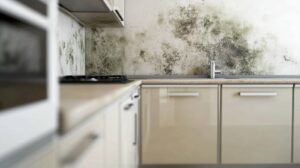
When dealing with mold issues, it’s essential to understand the differences between mold removal techniques and the remediation process.
You’ll want to evaluate the specific steps involved in each service, as well as the factors influencing costs.
This comparison will help you make an informed decision that’s both effective and budget-friendly.
Mold Removal Techniques
Mold removal techniques vary considerably between standard removal services and extensive remediation processes.
Standard services often focus on visible mold, using chemical solutions to eliminate it quickly. However, these methods may miss underlying issues.
In contrast, remediation involves thorough mold inspection techniques to identify hidden growth and moisture sources.
You might consider natural mold remedies, like vinegar or baking soda, for minor infestations, but remember these aren’t always sufficient for extensive problems.
Professional services often combine both approaches, ensuring thorough treatment and prevention.
By understanding these differences, you can choose the best option for your situation, ensuring a healthier environment for you and your loved ones.
Prioritizing extensive solutions will lead to lasting results.
Remediation Process Steps
Effective remediation involves several critical steps that set it apart from standard mold removal services.
First, you’ll need to employ proper water extraction methods to remove excess moisture quickly. This includes using powerful pumps and vacuums to mitigate further damage.
Next, structural drying techniques come into play; here, specialized equipment like dehumidifiers and air movers will help eliminate remaining moisture from walls and floors.
After drying, you’ll conduct a thorough inspection to identify any hidden mold or damage, ensuring a thorough approach.
Finally, applying antimicrobial treatments will prevent future growth.
Cost Comparison Factors
Understanding the financial aspects of water damage restoration is essential for homeowners facing mold issues.
When comparing mold removal and remediation services, several cost factors come into play. First, consider the extent of the mold contamination; larger areas typically require more resources and time, increasing costs.
Also, the type of materials affected plays a role—some may need complete replacement, while others can be salvaged. Pricing strategies vary between companies, so it’s wise to obtain multiple quotes.
Additionally, certification and experience of the service provider can impact rates. Ultimately, balancing quality and affordability is vital; choosing the right service can save you money in the long run by preventing future mold growth and structural damage.
Insurance Coverage for Water Damage Restoration
When it comes to insurance coverage for water damage restoration, you need to understand your policy’s coverage limits and deductibles.
Knowing these details helps you anticipate out-of-pocket costs and the claims process. This knowledge can greatly impact your financial planning during a stressful time.
Policy Coverage Limits
How can you ensure that your insurance policy provides adequate coverage for water damage restoration? Start by reviewing your policy limits and understanding the coverage nuances.
Not all water damage is treated equally; for instance, sudden leaks may be covered, while damages from neglected maintenance often fall under policy exclusions.
Check if your policy has specific limits for restoration services, as this can greatly impact your out-of-pocket expenses.
Consider additional endorsements if your standard coverage isn’t sufficient. Engaging with your insurance agent can clarify these details and make certain you’re not left with unexpected costs.
Being proactive about these aspects fosters a sense of security, making you feel more connected to your home and its protection.
Deductibles and Claims Process
While maneuvering through the claims process for water damage restoration, you’ll encounter deductibles that can directly affect your financial responsibility. Understanding your deductible amounts is essential, as it determines how much you’ll pay out-of-pocket before your insurance kicks in.
The claims timeline can vary, so being prepared can ease your experience. Keep the following in mind:
- Review your policy for specific deductible amounts.
- Document the damage thoroughly for your claim.
- Communicate promptly with your insurance adjuster.
- Stay organized with all related receipts and correspondence.
Preventative Measures to Avoid Future Water Damage
To effectively prevent future water damage, it’s important to routinely inspect and maintain your property’s plumbing and drainage systems.
Start by checking for any visible leaks in pipes and fixtures; even small drips can lead to significant problems over time. Don’t forget to inspect your washing machine hoses and water heaters, as these are common culprits for leaks.
Regular drainage system maintenance is also vital. Clear any debris from gutters and downspouts to ensure proper water flow away from your foundation.
Consider installing a sump pump if your property is prone to flooding, and check its functionality regularly.
Invest in water leak prevention devices, like smart sensors, that alert you to leaks before they escalate.
Summary
In the quest to restore your home from water damage, remember that a little diligence can save you from a financial flood. By comparing quotes, exploring DIY options, and leveraging insurance, you can navigate this challenge without sinking your budget. Just like Odysseus faced countless trials, you too can emerge victorious. Stay proactive with maintenance and you’ll preserve your space and prevent future disasters, ensuring your home remains a haven, not a financial burden.