
After a hurricane, you might think the worst is over, but hidden dangers lurk in the aftermath. Mold thrives in damp conditions and can start growing within just 24 to 48 hours. Ignoring this risk can lead to serious health issues and costly repairs. Understanding the types of mold that may invade your home and the health risks involved is essential. So, what should you look for to protect your home and your well-being?
Key Takeaways
- Mold can grow within 24 to 48 hours after hurricanes, posing serious health risks to occupants.
- Toxic black mold and Aspergillus species can lead to respiratory issues and allergic reactions.
- Musty odors and visible mold spots are common signs of infestation that require immediate attention.
- Professional mold remediation ensures a comprehensive assessment and safe removal of hidden mold.
- Regular inspections and proper ventilation are crucial to prevent future mold growth in affected areas.
Understanding Mold Growth After Hurricanes
When a hurricane strikes, the aftermath often leaves homes and buildings vulnerable to mold growth due to excess moisture. Understanding the mold lifecycle is essential for effective moisture control and prevention. Mold spores, which are always present in the environment, thrive when conditions become favorable—specifically, in damp areas where water accumulates.
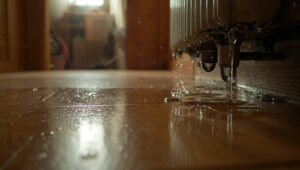
After a hurricane, you may notice waterlogged materials like drywall, carpeting, and wood. These materials provide an ideal breeding ground for mold, which can start to develop within 24 to 48 hours. To combat this, it’s important to act swiftly. Remove standing water, dry out affected areas, and ventilate your home to reduce humidity levels.
Implementing moisture control measures protects your property and promotes a healthier living environment. By staying informed and proactive, you create a safe space for yourself and your loved ones, emphasizing the significance of community and shared responsibility in the face of disaster.
Common Types of Mold Found in Flooded Areas
When flooding occurs, certain types of mold can pose significant health risks.
Toxic black mold, along with Aspergillus species, often thrives in damp conditions and can lead to serious respiratory issues.
Understanding the dangers of Stachybotrys chartarum and other molds is vital to safeguarding your health after a hurricane.
Toxic Black Mold
As floodwaters recede, the risk of encountering toxic black mold rises considerably, posing serious health threats to those exposed. Toxic black mold, or Stachybotrys chartarum, thrives in damp environments, making flooded homes prime candidates for its growth. Understanding its dangers is essential for mold prevention and protecting your health.
| Symptoms of Toxic Exposure | Mold Prevention Tips |
|---|---|
| Respiratory issues | Dry affected areas quickly |
| Skin irritation | Use dehumidifiers |
| Fatigue | Seal leaks and cracks |
| Headaches | Regularly inspect basements |
| Allergic reactions | Clean with mold-killing solutions |
Taking proactive steps can help you mitigate these risks and ensure a safe living environment for you and your loved ones.
Aspergillus Species Risks
Flooded areas often become breeding grounds for various mold species, with Aspergillus being one of the most common and concerning.
The health implications of exposure to Aspergillus species can be serious, especially for those with pre-existing conditions. Understanding environmental factors is essential for effective mold identification and mitigation.
Consider the following prevention strategies to maintain indoor air quality:
- Monitor humidity levels
- Ensure proper ventilation
- Clean and dry affected areas promptly
- Use protective gear during cleanup
- Seek professional help if needed
Spore exposure can lead to allergic reactions and respiratory issues.
Stachybotrys Chartarum Concerns
While many people are aware of the risks posed by various mold species following a hurricane, Stachybotrys chartarum—commonly known as black mold—stands out due to its potential health hazards.
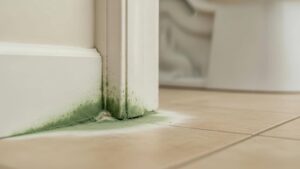
This mold thrives in damp, humid conditions and is characterized by its dark greenish-black appearance and musty odor. Exposure can lead to respiratory issues, skin irritation, and even neurological effects in vulnerable individuals.
To ensure your safety, it’s vital to implement effective Stachybotrys chartarum prevention strategies. This includes promptly drying out affected areas, using dehumidifiers, and removing contaminated materials.
Regular inspections and maintaining proper ventilation can also help reduce the risk of black mold growth, fostering a healthier living environment for you and your loved ones.
Health Risks Associated With Mold Exposure
Mold exposure after a hurricane can pose significant health risks, affecting both respiratory and overall well-being.
If you find yourself in a mold-affected area, it’s essential to understand the potential consequences.
Here’s what you should keep in mind:
Allergic Reactions: Mold allergies can trigger symptoms like sneezing, a runny nose, and itchy eyes.
Respiratory Issues: Prolonged exposure may lead to asthma attacks or other breathing difficulties.
Skin Irritation: Contact with mold can cause rashes or irritation.
Infections: For some, particularly those with compromised immune systems, mold exposure can lead to serious infections.
Mental Health Effects: Living in a mold-infested environment may contribute to anxiety and depression.
Being aware of these risks helps you protect yourself and your loved ones from the hidden dangers that mold can bring.
Stay vigilant and prioritize your health after a hurricane.
Signs of Mold Infestation in Your Home
If you notice visible mold growth on walls or surfaces, it’s a clear sign that your home may be infested.
Additionally, a musty odor can indicate mold presence even if you can’t see it.
Recognizing these signs early can help prevent further damage and health risks.
Visible Mold Growth
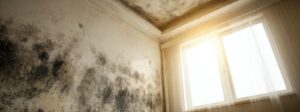
As you assess your home after a hurricane, look for visible signs of mold growth, which can manifest as dark spots or fuzzy patches on walls, ceilings, and other surfaces. Identifying these signs is essential, as visible mold can indicate a larger infestation.
Here are some key areas to inspect:
- Behind furniture and appliances
- Inside cabinets and closets
- Under sinks and around plumbing
- On bathroom tiles and grout
- In poorly ventilated areas
Utilizing effective mold detection methods and moisture control techniques can help you tackle any potential problems early.
Musty Odor Detection
After checking for visible mold growth, the next step in identifying a mold infestation is to pay attention to musty odors. These smells often indicate hidden mold sources, such as damp walls, carpets, or ceilings.
You should use effective odor detection methods to pinpoint the areas of concern. Start by walking through your home and noting any unusual, musty smells. Focus on basements, bathrooms, and areas affected by water damage.
If the odor persists, consider using a moisture meter to assess humidity levels, as high moisture can foster mold growth.
The Importance of Professional Mold Remediation
While you may be tempted to tackle mold issues on your own after a hurricane, relying on professional mold remediation services is essential for ensuring a thorough and effective solution.
These experts utilize advanced mold inspection services and remediation techniques that go beyond simple cleaning. Here’s why you should consider professionals:
Comprehensive Assessment: They identify hidden mold sources that you might miss.
Specialized Equipment: Professionals use tools designed to eliminate mold effectively and safely.
Health Safety: They understand the potential health risks and take precautions to protect you and your family.
Long-Term Solutions: Their methods ensure that mold doesn’t return, preventing future headaches.
Insurance Support: Many professionals can assist with insurance claims, easing your stress.
Steps for Effective Mold Removal
When you tackle mold removal, prioritizing safety is vital to protect yourself and others.
You’ll need essential cleaning supplies to effectively combat the issue, and sometimes, calling in professionals is the best option.
Understanding these steps can help you manage mold more effectively and restore your space safely.
Safety First Measures
Before you tackle mold removal, it’s essential to prioritize safety to protect yourself and your home.
Implementing effective mold prevention strategies starts with equipping yourself properly. Here are some key safety gear recommendations:
- Wear N95 respirators to filter airborne spores.
- Use rubber gloves to avoid skin contact.
- Don protective eyewear to shield your eyes.
- Don long sleeves and pants to minimize skin exposure.
- Ensure adequate ventilation in the work area.
Essential Cleaning Supplies
To effectively tackle mold removal, you’ll need a selection of essential cleaning supplies that can help eliminate the problem at its source.
Start with protective gear like gloves and masks to ensure your safety during the process. Essential tools include a scrub brush, sponge, and spray bottle for applying cleaning solutions.
You’ll also want a vacuum with a HEPA filter to capture mold spores effectively. For cleaning techniques, a mixture of water and detergent works well for non-porous surfaces, while a diluted bleach solution is effective for tougher spots.
Remember to keep the area well-ventilated to aid drying and prevent further mold growth. Having these supplies on hand can make your mold removal process smoother and more effective.
Professional Help Options
After gathering your cleaning supplies, you might find that tackling mold removal on your own is challenging, especially if the infestation is extensive.
In such cases, seeking professional help can ensure effective remediation. Here are options to evaluate:
Mold Inspection Services: Hire experts to assess the extent of the mold problem.
Specialized Equipment: Professionals use advanced tools for thorough removal.
Health Risks: Experts understand the health hazards associated with mold exposure.
Insurance Guidance: They can assist with insurance claims related to remediation costs.
Preventive Measures: Professionals offer advice on preventing future infestations.
Investing in these services may seem expensive, but it can save you from greater costs and health issues down the line.
Trusting professionals ensures peace of mind.
Preventing Future Mold Growth
While mold can take root in the aftermath of a hurricane, implementing effective prevention strategies can substantially reduce the likelihood of future growth.
Start by using mold-resistant materials in your home’s construction and renovations. These materials can greatly hinder mold’s ability to thrive, providing an essential barrier against moisture.
Next, focus on ventilation strategies. Proper airflow keeps your spaces dry and less hospitable to mold. Make sure that areas like bathrooms and kitchens have exhaust fans, and consider installing vents in attics and crawl spaces to facilitate air circulation.
Regularly inspect these areas for any signs of water intrusion or leaks, and address them immediately.
The Role of Humidity in Mold Development
Humidity plays a critical role in mold development, as elevated moisture levels provide the ideal environment for spores to grow and multiply. Understanding this connection is essential for effective mold prevention.
Here are key factors to take into account for humidity control:
Humidity Levels: Keep indoor humidity below 60% to reduce mold growth.
Ventilation: Ensure proper airflow in basements and crawl spaces.
Dehumidifiers: Use them in damp areas to maintain ideal moisture levels.
Water Damage: Address leaks and spills immediately to prevent moisture accumulation.
Temperature: Maintain a consistent indoor temperature to discourage mold thriving.
Insurance Considerations for Mold Damage
When dealing with mold damage after a hurricane, understanding your insurance coverage is vital, as many policies have specific clauses regarding water damage and mold remediation.
You’ll want to examine your policy closely to identify coverage limitations, which can greatly affect your mold insurance claims. Many homeowners assume mold damage is covered, but often, insurers only cover mold that results from sudden water damage, not from prolonged exposure or neglect.
It’s important to document the extent of the mold damage and the conditions that led to it. Having a clear record can bolster your claims process.
Reach out to your insurance agent for clarity on your policy specifics, including any exclusions related to mold. By being informed and proactive, you can navigate the complexities of mold insurance claims more effectively, ensuring you get the support you need to tackle this hidden threat.
Long-Term Effects of Mold on Property Value
Mold contamination can greatly diminish your property’s value, especially if left untreated. You mightn’t realize that the presence of mold can lead to considerable property depreciation and alter market perception.
Prospective buyers often equate mold with neglect, making it essential to address the issue promptly.
Consider these long-term effects on your property value:
Decreased Marketability: Properties with mold issues may sit on the market longer.
Lower Offers: Buyers may offer noticeably less due to perceived risks.
Insurance Challenges: Difficulty in securing coverage can deter buyers.
Health Concerns: Mold poses health risks, affecting buyer interest.
Repair Costs: Extensive remediation can lead to high out-of-pocket expenses.
Wrap-Up
In the wake of a hurricane, don’t let the hidden dangers of mold turn your home into a ticking time bomb. Just as the phoenix rises from the ashes, you can reclaim your space by prioritizing mold inspections and professional remediation. By staying vigilant and addressing moisture issues, you safeguard your health and your property’s value. Remember, prevention is always better than cure—don’t wait for the dark cloud of mold to settle in before taking action.