When it comes to preventing mold in your basement, understanding a few key strategies can make a significant difference. You’ll want to assess and control humidity levels effectively, ensure proper ventilation, and seal any cracks in your foundation. Each step you take can help keep moisture at bay. However, there’s more to contemplate that can further enhance your efforts. Let’s explore how to implement these strategies and safeguard your space effectively.
Key Takeaways
- Maintain indoor humidity between 30% and 60% using hygrometers and dehumidifiers for effective moisture control.
- Ensure proper ventilation by adding exhaust fans, opening windows, and keeping basement doors ajar for improved air circulation.
- Seal cracks and gaps in the foundation with high-quality caulk to prevent water intrusion and maintain dryness.
- Install a sump pump to quickly drain excess water, reducing the risk of mold growth during stormy weather.
- Use mold-resistant products, such as paints and drywall, to minimize moisture retention and simplify cleaning and maintenance.
Assess and Control Humidity Levels
When it comes to preventing mold in your basement, evaluating and controlling humidity levels is essential.
Start by implementing humidity monitoring tools like hygrometers to keep track of moisture levels. Aim to maintain indoor humidity between 30% and 60%. When levels creep above this range, it creates an inviting environment for mold.
For effective moisture control, consider using dehumidifiers, especially during humid months. They can greatly reduce moisture in the air, making your basement less susceptible to mold growth.
Additionally, regularly check for leaks or water intrusion, as these can quickly elevate humidity levels.
Using waterproof paints and sealants on walls and floors can also help in moisture control, protecting your space from excess dampness.
Ensure Proper Ventilation
To prevent mold growth in your basement, ensuring proper ventilation is essential. Effective airflow management helps maintain a dry environment, which is vital for mold prevention.
Start by evaluating your current ventilation systems; if they’re inadequate, consider adding exhaust fans or vents to enhance air circulation.
Make sure windows can open, allowing fresh air to flow through, especially during dry weather. Additionally, using dehumidifiers can assist in regulating moisture levels, particularly in humid months. Keeping basement doors slightly ajar can also promote better airflow.
Regularly check your ventilation systems for blockages, such as dust or debris, which can inhibit airflow. If you notice persistent dampness, consult a professional to review your setup.
Seal Cracks and Gaps
To prevent mold in your basement, start by inspecting your foundation regularly for any cracks and gaps.
Use high-quality caulk and sealant to fill these openings, ensuring a tight barrier against moisture.
Additionally, address any water intrusion issues promptly to keep your space dry and mold-free.
Inspect Foundation Regularly
Regularly inspecting your foundation is essential for preventing mold growth in your basement, as even small cracks and gaps can allow moisture to seep in. By keeping an eye on your foundation, you enhance its stability and ensure that effective moisture barriers are in place. Here’s a quick guide to what to look for:
| What to Inspect | Why It Matters |
|---|---|
| Cracks in the concrete | They can lead to moisture entry |
| Gaps around windows | They compromise insulation |
| Drainage systems | Ensure they direct water away |
| Signs of settling | Affects overall foundation stability |
| Mold or mildew spots | Indicates moisture issues |
Regular checks will help you maintain a safe, dry environment in your basement, fostering a space where you and your family feel comfortable and secure.
Use Caulk and Sealant
Sealing cracks and gaps in your basement can greatly reduce the risk of mold growth. By taking the time to apply the right caulk types and sealants, you can effectively create a barrier against moisture.
Here’s how to get started:
Choose the right caulk type: Silicone caulk is excellent for non-porous surfaces, while acrylic latex works well for painted areas.
Prep the area: Clean the cracks thoroughly to ensure a solid bond during sealant application.
Apply evenly: Use a caulking gun for a smooth, consistent application, filling gaps without leaving air pockets.
Address Water Intrusion Issues
While you may think your basement is safe from water intrusion, even the smallest cracks can lead to significant moisture issues over time.
Start by inspecting walls and floors for gaps. Seal these with durable caulk or epoxy to prevent water from seeping in. Consider installing waterproof membranes to create a barrier against moisture.
Additionally, verify your drainage systems are functioning correctly; this includes gutters, downspouts, and sump pumps, which help redirect water away from your foundation.
By addressing these water intrusion issues proactively, you’ll protect your basement from mold growth and maintain a healthier living space.
Taking these steps keeps your home safe and fosters a sense of belonging in a well-maintained environment.
Install a Sump Pump
Installing a sump pump can be a game-changer in preventing basement mold, especially if your home is prone to flooding or heavy rainfall. A sump pump helps to manage water accumulation, ensuring your basement stays dry and mold-free.
Here are some key benefits to contemplate:
Water Removal: Quickly drains excess water, reducing the risk of mold growth.
Increased Home Value: A well-installed sump pump can enhance your property’s overall appeal.
Peace of Mind: Knowing your basement is protected gives you confidence during stormy weather.
Don’t forget that proper sump pump installation is essential for peak performance.
Regular sump pump maintenance is equally important; check it periodically to verify it’s functioning correctly.
By taking these steps, you’re protecting your basement and creating a healthier environment for you and your family.
Embrace the peace of mind that comes from knowing your home is safeguarded against mold and moisture.
Use Mold-Resistant Products
Choosing mold-resistant products is essential for maintaining a healthy basement environment. By opting for these specialized materials, you can considerably reduce the risk of mold growth, creating a safer space for you and your family.
Here are some effective mold-resistant options to take into account:
| Product Type | Benefits |
|---|---|
| Mold Resistant Paints | Prevents mold and mildew growth; easy to clean and maintain. |
| Mold Resistant Drywall | Designed to resist moisture absorption; ideal for high-humidity areas. |
| Mold Resistant Caulk | Seals gaps and cracks to block moisture entry; flexible and durable. |
| Mold Resistant Insulation | Limits moisture retention; enhances energy efficiency. |
| Mold Resistant Flooring | Easy to clean, moisture-resistant options like vinyl or tile. |
Regularly Inspect and Maintain
Regular inspections and maintenance of your basement can greatly reduce the risk of mold growth.
By establishing a routine check and a maintenance schedule, you can catch potential issues before they escalate.
Here are some practical steps to follow:
Check humidity levels: Use a hygrometer to ensure humidity stays below 60%.
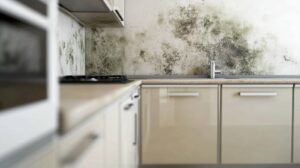
Inspect for visible mold: Regularly look for signs of mold on walls, ceilings, and corners.
Clean gutters and downspouts: Ensure they’re clear to prevent water from pooling near your foundation.
Address Water Leaks Promptly
Since even the smallest water leak can lead to significant mold problems, addressing any leaks in your basement as soon as you notice them is essential.
First, invest in effective water detection systems. These can alert you to leaks before they escalate, giving you peace of mind.
When you spot a leak, don’t hesitate to act. Whether it’s a dripping pipe or a seeping wall, prompt plumbing maintenance can save you from extensive repairs later.
Make it a habit to regularly check your pipes, fixtures, and any areas prone to moisture.
If you’re unsure, consider hiring a professional to inspect your plumbing system. They’ll fix any issues and offer advice on preventing future leaks.
Remember, staying proactive about water leaks is a critical step in maintaining a healthy basement environment for you and your family.
Summary
By following these key strategies, you can keep mold at bay and protect your basement from moisture-related issues. Remember, an ounce of prevention is worth a pound of cure—taking proactive steps now can save you headaches later. Regularly monitor humidity, ensure good ventilation, and seal any cracks to create a dry, mold-free environment. Stay vigilant with inspections, address leaks promptly, and use mold-resistant materials to maintain a safe, healthy space in your home.