
Many homeowners underestimate the hidden complexities of hurricane damage repair, particularly when it comes to evaluating structural integrity and moisture levels. It’s not just about fixing what’s visible; effective methods can prevent long-term issues like mold and structural failure. As you explore these top techniques for 2025, you’ll find that a proactive approach can greatly enhance your home’s resilience against future storms. What’s the first step in ensuring your property is truly secure and ready for whatever comes next?
Damage Repair – Key Takeaways
- Utilize advanced water extraction methods immediately to minimize damage and prevent mold growth after hurricane-related flooding.
- Reinforce structural integrity with steel braces and hurricane ties to enhance wind resistance against future storms.
- Install impact-resistant windows and doors to protect against flying debris and water intrusion during hurricanes.
- Maintain proper ventilation and humidity control to prevent mold growth in high-moisture areas post-repair.
- Select durable restoration materials that withstand harsh weather conditions while matching the home’s original design.
Assessing the Extent of Ceiling Water Damage
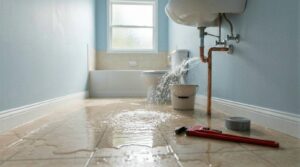
When you discover water damage on your ceiling after a hurricane, it’s crucial to assess the extent of the damage to determine the necessary repairs.
Start with a thorough ceiling inspection. Look for discoloration, sagging, or peeling paint, which indicates areas of water saturation. Use a moisture meter to measure the moisture levels; this tool helps you identify hidden damage that mightn’t be immediately visible.
Check for any leaks from overhead pipes or the roof, as these can exacerbate the situation. If the damage appears extensive, consider consulting a professional to ensure a complete assessment.
Remember, addressing water damage early can prevent mold growth and further structural issues, which protects your home and fosters a sense of security for you and your loved ones.
Effective Water Extraction Methods
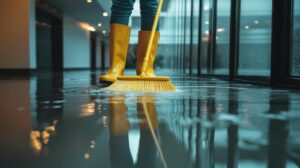
While evaluating the water damage, effective water extraction methods are vital for minimizing further issues in your home. Start with immediate water removal to prevent mold and structural damage.
Using powerful extraction equipment, like wet vacuums and submersible pumps, can greatly speed up the process. These tools can remove standing water quickly and efficiently, reducing the risk of secondary damage.
Once the bulk of the water is gone, utilize dehumidifiers to draw out residual moisture from the air and surfaces. It’s essential to monitor humidity levels, aiming for a range between 30% and 60%.
Don’t overlook smaller areas like carpets and upholstery; specialized extraction tools can help here, too.
Structural Repairs and Reinforcements
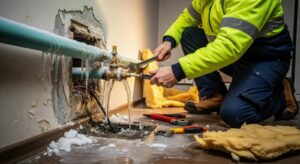
After evaluating the extent of the damage, addressing structural repairs and reinforcements becomes essential to ensure your home’s safety and longevity.
Start with foundation stabilization; this is vital for ensuring your home can withstand future storms. Use steel braces or underpinning techniques to secure your foundation, preventing further settlement or shifting.
Next, enhance wind resistance by reinforcing your roof and walls. Install hurricane ties and straps to connect your roof to the walls, effectively distributing wind loads. Consider impact-resistant windows and doors to reduce the risk of breaches during strong gusts.
Additionally, inspect and repair any damaged load-bearing beams and columns. Strengthening these elements improves your home’s structural integrity and fosters a sense of security for you and your family.
Mold Prevention Techniques
Mold can become a considerable problem after hurricane damage, so implementing effective prevention techniques is vital.
First, verify proper humidity control in your home. Aim to keep indoor humidity levels below 60% by using dehumidifiers and air conditioning. This helps prevent mold growth and creates a more comfortable living environment.
Next, conduct thorough mold remediation if you find any signs of mold. This may involve cleaning surfaces with mold-resistant solutions and removing contaminated materials. Be diligent in checking hidden areas like behind walls and under carpets, as these can harbor moisture and mold.
Additionally, verify proper ventilation in high-moisture areas like bathrooms and kitchens. Installing exhaust fans and opening windows when possible can greatly reduce humidity levels.
Final Finishing and Restoration Steps
As you move towards the final finishing and restoration steps following hurricane damage, it’s essential to focus on both functionality and aesthetics to ensure your home is livable and visually appealing.
Begin by selecting appropriate restoration materials that align with your home’s original design. This attention to detail helps maintain continuity and enhances your space’s charm.
Next, apply the final touches—like paint and trim—that embody your personal style. Choose colors that evoke warmth and comfort, making your home a welcoming haven.
Don’t overlook outdoor spaces; landscaping can greatly enhance curb appeal.
Finally, conduct a thorough inspection of your work to confirm everything meets safety standards and your standards of quality.
Conclusion
In hurricane damage repair, it’s crucial to address every detail to ensure your home stands strong against future storms. Remember, “an ounce of prevention is worth a pound of cure.” By thoroughly evaluating damages, employing advanced water extraction techniques, and reinforcing structures, you protect your investment and create a safe haven for your family. Don’t overlook mold prevention and finishing touches; they’re critical steps in restoring your home’s integrity and beauty.