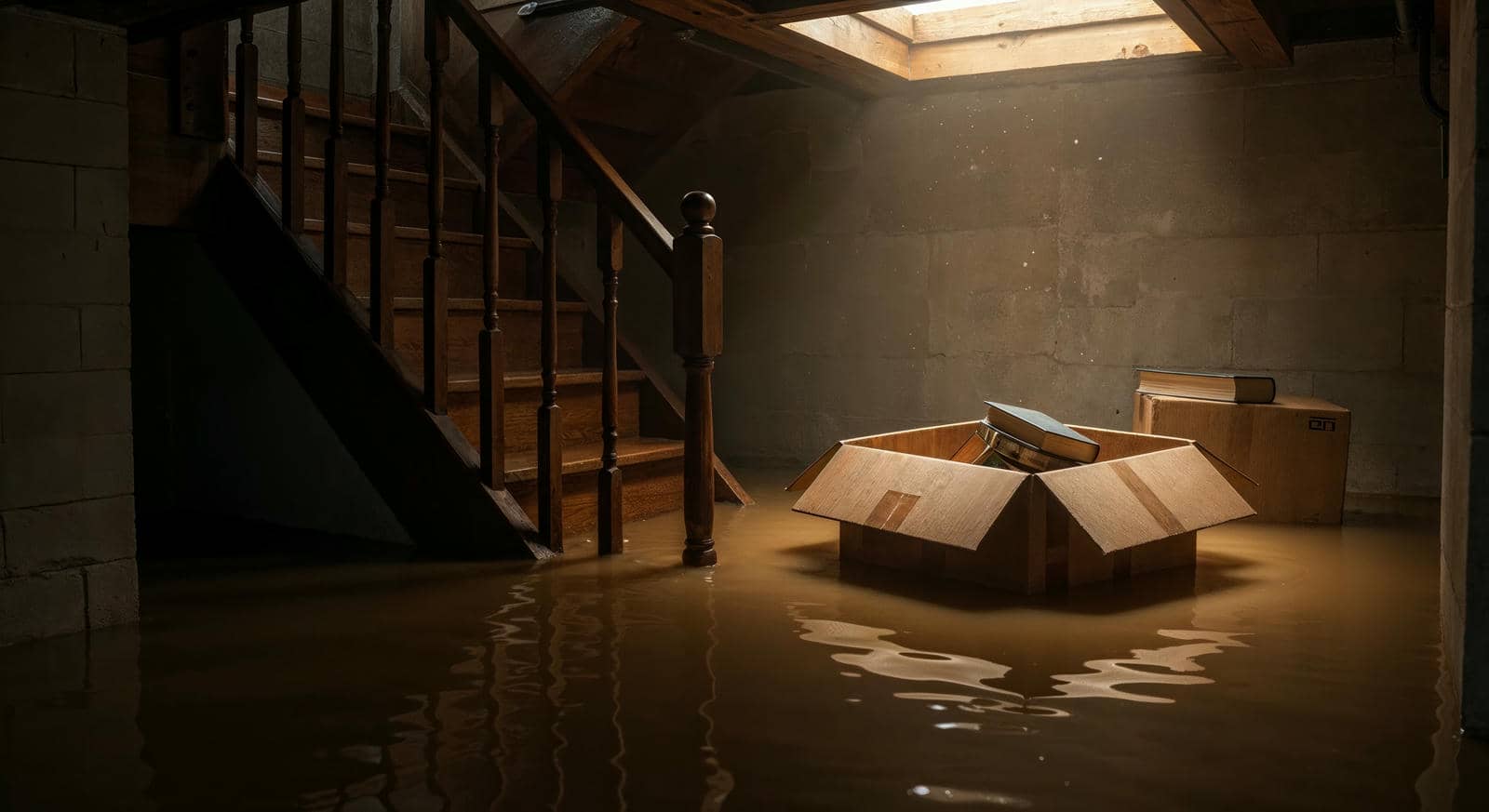
Imagine your basement transformed into an uninviting lagoon after a hurricane. It’s overwhelming, but you’re not alone in this. Effective basement flood cleanup requires a systematic approach to ensure safety and prevent long-term damage. By evaluating the situation carefully and taking action step by step, you can reclaim your space. What you do next can make all the difference in your recovery journey. Let’s explore essential strategies to tackle this challenging task.
Key Takeaways
- Document all damage with photos and detailed notes for insurance claims and future reference.
- Ensure safety by wearing protective gear and turning off power before entering the flooded area.
- Remove standing water promptly using pumps or wet/dry vacuums, and ventilate the space effectively.
- Clean and disinfect all surfaces with EPA-approved products to prevent mold and bacterial growth.
- Consult professionals for severe structural damage and consider using certified restoration technicians for extensive cleanup.
Assess the Damage Immediately
As soon as it’s safe to enter your basement, you should assess the damage right away to understand the extent of the flooding.
Start by documenting everything—take photos and make notes of affected areas, furniture, and belongings. This damage assessment is essential, as it helps both you and your flood insurance provider gauge the situation accurately.
Look for signs of mold, structural damage, or electrical hazards. If you notice anything alarming, don’t hesitate to reach out to professionals for assistance.
It’s okay to feel overwhelmed; many of us share this experience when facing such challenges. Remember, you’re not alone in this.
Once you’ve gathered all the necessary information, contact your flood insurance company to begin the claims process.
Your diligence now will aid in rebuilding your space and moving forward. Together, we’ll navigate this difficult time and restore your home.
Ensure Safety First
Before you start cleaning up, prioritize your safety by wearing protective gear like gloves and boots.
Make sure to turn off the power to prevent any electrical hazards, especially if water is present.
Finally, carefully assess the structural integrity of your basement; if you notice any cracks or shifting, it’s best to consult a professional before proceeding.
Wear Protective Gear
When you step into a flooded basement, your safety should be your top priority, so it’s vital to wear protective gear. The contaminated water can pose serious health risks, and appropriate safety equipment is fundamental.
Wearing the right protective clothing shields you from harmful substances and offers peace of mind as you navigate the cleanup process.
Make sure to equip yourself with:
- Waterproof boots
- Heavy-duty gloves
- A face mask or respirator
- Safety goggles
- Long-sleeved clothing
These items will help safeguard against chemical exposure, sharp objects, and other hazards.
Turn Off Power
To ensure your safety during a basement flood cleanup, turning off the power is fundamental. Before you step into the water, locate your main circuit breaker and turn off the electricity. This step isn’t just precautionary—it’s vital for preventing electric shocks.
Once the power is off, take a moment to secure any appliances that might be affected. Unplugging them reduces the risk of damage and ensures a safer environment for your cleanup efforts.
Assess Structural Integrity
As you prepare to tackle the aftermath of a basement flood, it’s essential to assess the structural integrity of your space. Ensuring the safety of yourself and others is paramount.
Before diving in, take a moment for a thorough structural evaluation to check for any signs of damage that could compromise foundation stability.
- Look for cracks in walls or floors.
- Check for bowing or leaning walls.
- Inspect beams and supports for signs of weakness.
- Assess water damage on wooden structures.
- Consult a professional if you notice significant issues.
Remove Standing Water
Standing water in your basement can lead to extensive damage and mold growth, so it’s essential to act quickly. Begin by choosing effective water extraction methods. If you’ve got a significant amount of water, a sump pump installation can be a lifesaver. Here’s a quick overview of your options:
| Method | Pros | Cons |
|---|---|---|
| Sump Pump | Efficient for large volumes | Requires installation |
| Wet/Dry Vacuum | Great for small areas | Limited capacity |
| Manual Bucket Removal | Immediate and simple | Labor-intensive |
| Shop Vac | Versatile and portable | May struggle with large amounts |
Once you’ve selected the right method, get to work. Remember, you’re not alone in this; your community and resources are here to support you. The sooner you remove that standing water, the better your chances are of preventing long-term damage.
Dry Out the Area Thoroughly
Once you’ve removed the standing water, it’s essential to dry out the area thoroughly to prevent mold and structural damage.
Use dehumidifiers effectively to pull moisture from the air, and make certain to ventilate the space by opening windows or using fans.
Taking these steps will help ensure your basement is safe and healthy again.
Remove Standing Water
While it may feel overwhelming after a hurricane, addressing standing water in your basement is crucial to preventing further damage and health risks.
Start by utilizing effective water extraction methods, like pumps or wet vacuums, to remove any accumulated water. Once the majority is gone, consider implementing basement drainage solutions to prevent future flooding.
Here are some steps to guide you:
- Assess the situation for safety hazards before entering.
- Use proper equipment to remove standing water effectively.
- Inspect for mold growth and moisture issues.
- Check your sump pump to verify it’s functioning well.
- Seal any leaks to protect your basement from future problems.
Taking these actions will help you restore your space and maintain a safe environment for your family.
Use Dehumidifiers Effectively
As you work to restore your basement after a hurricane, using dehumidifiers effectively can make a significant difference in drying out the area thoroughly.
First, choose the right dehumidifier settings based on the humidity level; higher settings are ideal for wet conditions. Place your dehumidifier centrally, ensuring it has enough airflow around it.
Run it continuously until the moisture control reading indicates a stable, lower humidity level. Regularly check the water reservoir and empty it as needed to maintain efficiency.
Additionally, consider using multiple units if the space is large or particularly damp. By doing this, you’ll create a healthier environment and prevent mold growth, helping your community recover together.
Ventilate the Space
To effectively dry out your basement after a hurricane, it’s essential to ventilate the space properly.
Good air circulation helps prevent mold growth and further damage. Here are some effective ventilation methods you can use:
- Open windows and doors to create cross-ventilation.
- Use fans to enhance air movement throughout the space.
- Consider installing vents to improve airflow.
- Utilize exhaust fans to push out humid air.
- Keep your basement door open when possible for natural airflow.
Clean and Disinfect Surfaces
Once the floodwaters recede, it’s essential to clean and disinfect surfaces to prevent mold growth and ensure a safe environment.
Begin with surface cleaning, removing any debris, mud, or contaminated materials. Use a mixture of warm water and a mild detergent to scrub surfaces thoroughly.
After cleaning, it’s time to apply disinfectant options. Look for EPA-approved products specifically designed for flood cleanup, as these will effectively kill bacteria and viruses.
Make sure to follow the instructions on the label for proper dilution and application. Pay special attention to high-touch areas like doorknobs and light switches.
Don’t forget to protect yourself with gloves and a mask during this process.
Salvage Valuable Items
After you’ve cleaned and disinfected the surfaces, it’s time to focus on salvaging valuable items that may have been affected by the flood. This step is essential, especially when it comes to your sentimental items and valuable belongings.
Carefully assess what can be saved, as these items often hold irreplaceable memories and connections.
Consider salvaging:
- Family photographs
- Heirloom jewelry
- Important documents (birth certificates, passports)
- Artwork or crafts
- Electronics (if still functional)
Take your time with each item, as some may require delicate handling. Use gentle cleaning methods and allow items to dry completely.
While it’s heartbreaking to see the damage, preserving these valuable belongings can help restore a sense of normalcy and belonging in your home.
Address Mold Prevention
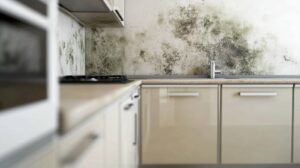
As you work through the aftermath of basement flooding, addressing mold prevention should be a top priority, since mold can develop quickly in damp environments. Start by identifying common mold types, such as black mold and aspergillus, which can pose health risks.
To effectively prevent mold growth, implement these prevention methods:
| Action | Description | Frequency |
|---|---|---|
| Remove Moisture | Use dehumidifiers and fans. | Daily until dry. |
| Improve Ventilation | Open windows and doors when possible. | As needed. |
| Clean Surfaces | Use mold-inhibiting solutions. | Weekly during cleanup. |
| Inspect Regularly | Check for leaks and damp areas. | Monthly. |
| Dispose of Damaged Items | Safely discard items too wet to save. | Immediately. |
Repair Damage to Structures
Even with effective mold prevention in place, addressing structural damage is a vital step in recovering from basement flooding. You can’t ignore the integrity of your home.
Start by evaluating any visible damage and prioritizing necessary repairs. Foundation repairs may be essential to ensure your home remains safe and stable.
Consider these key actions:
- Inspect walls for cracks or bowing
- Check for water damage in support beams
- Evaluate window and door frames for warping
- Look for signs of mold or mildew
- Plan for structural reinforcements if needed
Taking these steps enhances safety and restores your peace of mind.
Remember, working with professionals can assure that repairs are done correctly, providing you with the security you deserve.
Document Everything for Insurance
When you face the aftermath of a hurricane-induced basement flood, documenting everything for insurance is essential to ensuring you receive the compensation you deserve.
Start by taking clear, detailed photos of the damage—capture the water levels, ruined belongings, and any structural issues. This visual evidence will support your insurance claim and help streamline the documentation process.
Make a detailed list of all damaged items, including their purchase date and estimated value. Don’t forget to keep receipts and records of any repairs you’ve initiated. This meticulous approach strengthens your claim and provides peace of mind during a stressful time.
Consider keeping a journal of your recovery efforts, noting conversations with insurance representatives and repair professionals. This documentation helps you stay organized and ensures you have a clear record of your progress.
Seek Professional Help if Needed
When facing the aftermath of a flooded basement, it’s essential to assess the severity of the damage before taking action.
If the situation feels overwhelming, don’t hesitate to choose qualified technicians who specialize in water damage restoration.
Also, make sure to verify your insurance coverage, as this can greatly ease your financial burden during the cleanup process.
Assess Damage Severity
As you start the cleanup process after a hurricane, evaluating the severity of the damage is vital for your safety and effective restoration.
A thorough damage assessment will help you determine whether to tackle the cleanup yourself or seek professional help. Here are key areas to focus on:
- Inspect walls for cracks or water stains.
- Check electrical systems for damage.
- Assess the condition of the flooring and carpets.
- Examine furniture and belongings for salvageability.
- Look for signs of mold or mildew growth.
Taking these steps aids in flood prevention and ensures that you’re making informed decisions about repairs.
If the damage feels overwhelming, don’t hesitate to reach out to experts who can guide you through the process with care and expertise.
Choose Qualified Technicians
Choosing qualified technicians is essential if you want to secure a thorough and safe cleanup after a hurricane.
Look for professionals with strong, qualified technician qualifications, such as certifications in water damage restoration. This ensures they understand the complex issues you face, from mold prevention to structural integrity.
During the technician hiring process, ask about their experience, training, and previous projects.
Trustworthy technicians should be willing to provide references and explain their methods.
Don’t hesitate to discuss your concerns; a reputable technician will listen and address them with empathy.
Verify Insurance Coverage
How can you ensure your cleanup efforts are financially covered? Start by reviewing your insurance policy to understand your coverage limits. Many homeowners don’t realize that flood damage may not be included in standard coverage.
It’s essential to connect with your insurance agent to clarify what’s protected and what isn’t.
Consider these steps for a smooth process:
- Confirm if your policy covers basement flooding.
- Document all damage with photos and notes.
- Keep receipts for cleanup expenses.
- Ask about additional living expenses if you can’t stay at home.
- Seek professional help if managing your policy feels overwhelming.
Being proactive ensures you won’t face unexpected costs during this challenging time, fostering a sense of security for you and your family.
Conclusion
Tackling a hurricane basement flood can feel overwhelming, but following these steps makes the process manageable. Unexpected disasters can put the future of a small business at serious risk, which is why thorough cleanup and restoration are so important. By prioritizing safety, addressing damage quickly, and documenting everything, you protect your home and safeguard your future. Don’t hesitate to seek professional help if you need it; you’re not alone in this.