If your property is showing a few unwelcome signs, you may be dealing with mold that needs more than a quick cleanup. Mold Remediation involves understanding what remediation actually requires, identifying hidden moisture problems, and using professional containment to prevent further spread. A surface fix can leave the real source untouched, and that’s where costly damage begins. The key details are straightforward, but the difference between effective control and recurrence isn’t.
Key Takeaways
- Mold remediation identifies, contains, and removes mold while correcting moisture sources to protect the building and occupants.
- Persistent musty odors, visible staining, peeling paint, or recurring dampness often signal the need for professional inspection.
- Professionals use containment, HEPA filtration, and safe removal of damaged materials to stop contamination spread.
- DIY cleaning often misses hidden growth and can spread spores without proper equipment and isolation.
- Prevent future mold by fixing leaks, ventilating damp areas, and keeping indoor humidity below 60%.
What Is Mold Remediation?
Mold remediation is the process of identifying, containing, removing, and addressing mold growth in a property to help prevent further spread and restore safer conditions.
You use mold remediation to control contamination, protect materials, and support a healthier indoor environment. The process typically includes assessment, isolation of affected areas, filtration, removal of damaged porous materials, cleaning of salvageable surfaces, and moisture correction to limit regrowth.
You should treat mold remediation as a targeted, technical response rather than a cosmetic cleanup. When you follow the right protocol, you reduce exposure risks and improve long-term property integrity.
For property owners who want reliable results, professional mold remediation gives you a structured path back to a safer space where you and your occupants can feel confident.
Signs You Need Mold Remediation
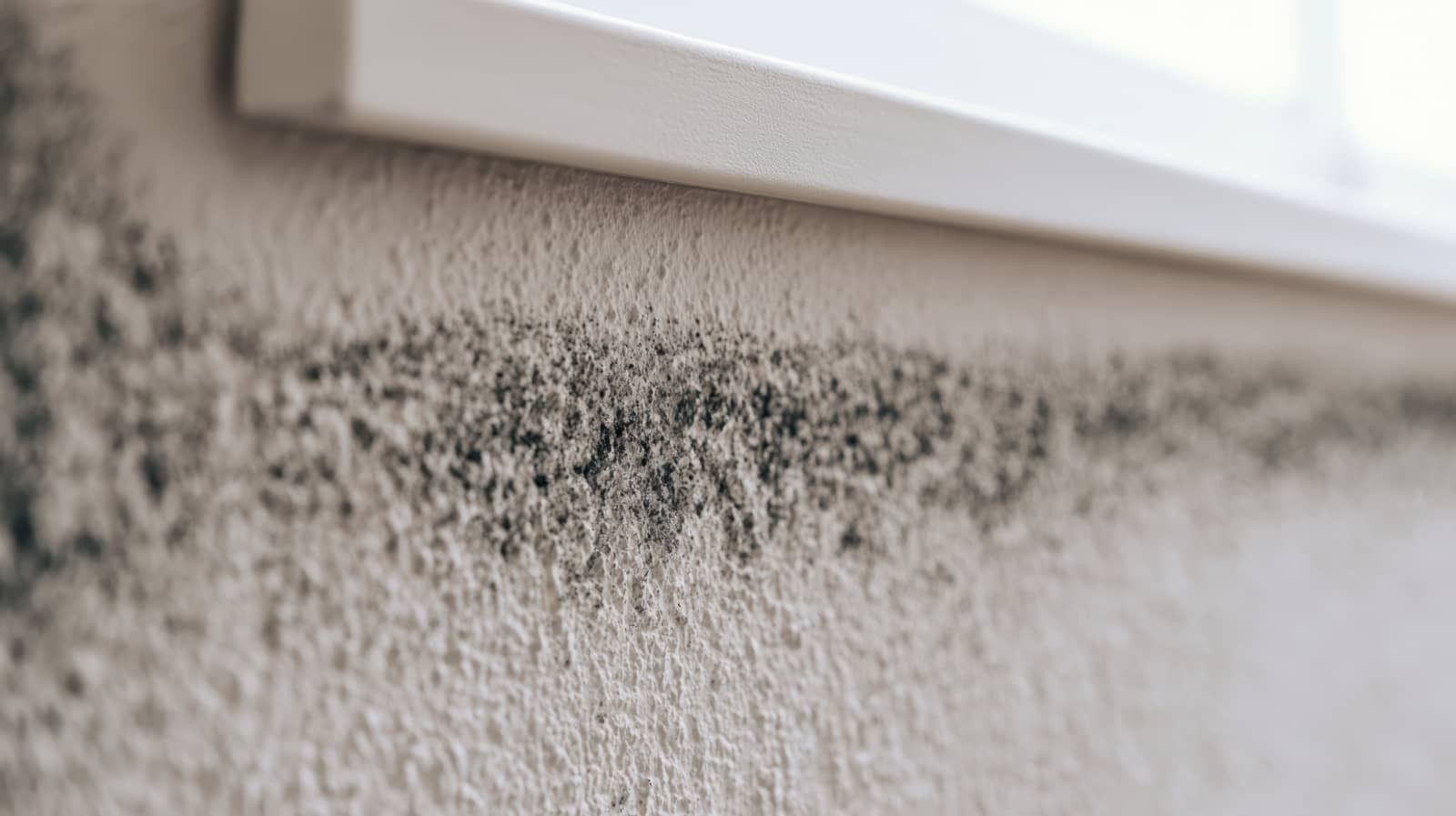
If you notice persistent musty odors, visible discoloration on walls or ceilings, peeling paint, warped materials, or recurring allergy-like symptoms indoors, you may need mold remediation.
You should treat these indicators as evidence of excess moisture and possible microbial growth, not cosmetic defects. Inspect areas around plumbing, roofs, windows, basements, and HVAC components, since hidden leaks often support colony development behind surfaces.
If you see staining that spreads, materials that stay damp, or rooms that smell stronger after rain or humidity changes, act quickly. Your property and everyone in it deserve a healthier environment.
When symptoms improve away from the building and return inside, that pattern also points to an indoor source. Prompt evaluation helps you protect shared spaces and maintain confidence in your property.
What Happens During Professional Mold Remediation
Professional mold remediation starts with a detailed assessment to identify moisture sources, affected materials, and the extent of contamination.
You’ll see containment barriers, negative air pressure, and HEPA filtration used to isolate impacted areas and protect the rest of your property.
Technicians then remove unsalvageable porous materials, clean remaining surfaces with approved methods, and address hidden growth in framing, subfloors, or HVAC components.
They dry the structure to target moisture levels and verify conditions before closure.
Throughout the process, you stay informed through documented findings, clear timelines, and controlled access.
This step-by-step approach helps restore your property to a safer, more stable condition and gives you confidence that the work follows recognized remediation standards.
Why DIY Mold Removal Falls Short
Even with the right cleanup tools, DIY mold removal usually leaves the underlying problem unresolved because you can’t reliably identify hidden moisture, contain airborne spores, or verify that porous materials are truly decontaminated.
You may scrub visible growth, but you still miss contamination inside wall cavities, under flooring, and behind fixtures. Without proper containment, you can spread spores into clean areas and expose your team, tenants, or family.
Standard household disinfectants also can’t penetrate deeply enough to reach embedded colonies in drywall, insulation, or carpet padding.
- Damp drywall
- Musty odor
- Hidden wall voids
- Dust on HVAC returns
- Soft flooring
That’s why experienced property owners trust professional remediation: it gives you a documented, controlled response that protects the people who rely on your property.
How to Prevent Mold From Returning
To prevent mold from returning, you need to eliminate the moisture sources that let it grow in the first place. Inspect plumbing, roofs, windows, and foundations for leaks, then repair them promptly.
Keep indoor humidity below 60% by using dehumidifiers and properly sized HVAC systems. Vent bathrooms, kitchens, and laundry areas directly outdoors, and run exhaust fans during and after use.
Dry wet materials within 24 to 48 hours, because prolonged dampness invites new growth. Clean gutters, grade soil away from the structure, and seal penetrations where water can enter.
During routine inspections, look for staining, musty odors, and peeling finishes. When you control moisture consistently, you protect your property, support healthier indoor air, and stay aligned with a team that values long-term safety.
Frequently Asked Questions
How Much Does Professional Mold Remediation Typically Cost?
Professional mold remediation typically costs you $500 to $6,000, though severe cases can exceed $10,000. You’ll pay more for larger areas, hidden growth, and water damage. Get multiple inspections before you commit.
How Long Does Mold Remediation Usually Take?
Usually, you’ll spend 1-5 days on mold remediation; extensive contamination can take longer. You’ll get inspection, containment, removal, drying, and verification. Like a surgeon’s scalpel, professionals cut risk fast, helping you protect your property and community.
Does Homeowners Insurance Cover Mold Remediation?
Usually, you’re covered only when mold results from a sudden, accidental peril, like a burst pipe. You’ll need to review your policy, document damage quickly, and work with your insurer to verify limits and exclusions.
Can Mold Remediation Require Temporary Relocation?
Yes, mold remediation can require temporary relocation when airborne spores, demolition, or moisture control make your space unsafe. You’ll protect your health, your belongings, and your peace of mind while professionals restore a cleaner environment.
How Do Professionals Test if Mold Is Completely Gone?
Professionals test with visual inspections, moisture readings, air sampling, and surface swabs. You’ll get clearance only when labs show normal spore levels, no hidden moisture remains, and remediation areas meet accepted industry standards.
Final Thoughts
When you see musty odors, discoloration, or recurring moisture, you need mold remediation before the problem spreads. Mold can begin growing within 24 to 48 hours after water intrusion, so fast action matters. Professional remediation contains contamination, removes affected materials, and addresses the moisture source. If you rely on DIY cleanup, you may miss hidden growth. To keep mold from returning, control humidity, fix leaks immediately, and inspect vulnerable areas regularly.