To avoid water damage, you’ll need to take proactive measures to protect your plumbing system. From regular maintenance checks to proper insulation techniques, there are several strategies you can implement. Understanding the right steps can save you from costly repairs and headaches down the line. So, what should you do first to safeguard your home?
Key Takeaways
- Insulate pipes in unheated areas to prevent freezing and reduce the risk of burst pipes.
- Let faucets drip during extreme cold to relieve pressure and prevent water from freezing.
- Regularly inspect pipes for cracks, leaks, and wear to catch problems early.
- Maintain consistent thermostat settings to keep the home warm and prevent pipe freezing.
- Familiarize yourself with the main water shut-off valve and practice shutting it off quickly during emergencies.
Understanding the Causes of Burst Pipes
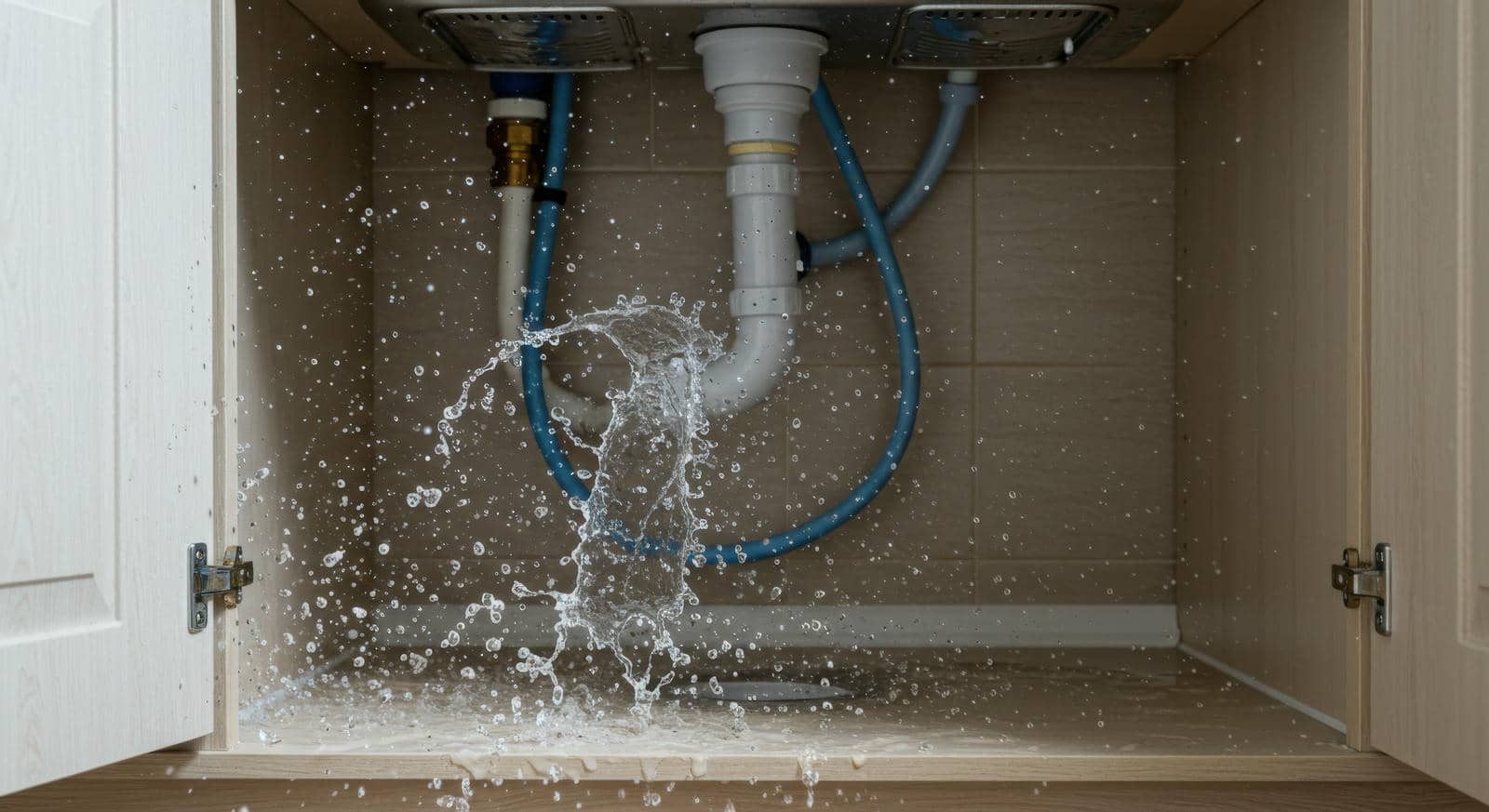
When temperatures drop, you mightn’t realize that the risk of burst pipes increases greatly. Pipes are generally designed to handle a specific range of temperatures, but when freezing temperatures occur, water inside these pipes can freeze and expand. This pipe expansion creates immense pressure, often leading to cracks or ruptures.
You should pay close attention to vulnerable areas in your home, such as unheated basements, attics, or exterior walls, where pipes are most likely to freeze. Insulating these pipes can greatly reduce the risk of damage.
Additionally, letting faucets drip during extreme cold can help relieve pressure and prevent freezing.
Being proactive about understanding how freezing temperatures affect your plumbing can foster a sense of community awareness. By sharing this knowledge, you can help others safeguard their homes against water damage from burst pipes.
Regular Maintenance Checks
To prevent water damage, you need to conduct regular maintenance checks on your plumbing system.
Inspect pipes frequently for any signs of wear or leaks, monitor water pressure to avoid stress on the system, and check the quality of insulation to prevent freezing.
Staying proactive with these tasks can greatly reduce the risk of water-related issues in your home.
Inspect Pipes Frequently
Regularly inspecting your pipes is essential for preventing costly water damage. By conducting routine visual inspections, you can easily identify signs of pipe wear, such as corrosion, leaks, or cracks.
Pay close attention to joints and fittings, as these areas are often more susceptible to failure. Look for any discoloration or damp spots on walls or ceilings, which may indicate hidden leaks.
Don’t forget to check insulation around pipes, particularly in colder areas, to prevent freezing and potential bursts. Keeping a maintenance schedule allows you to catch issues early, ensuring your plumbing system remains intact.
With proactive inspections, you’ll foster a sense of security, knowing you’re taking the right steps to protect your home from water damage.
Monitor Water Pressure
Monitoring water pressure is essential for maintaining the integrity of your plumbing system and preventing water damage. By regularly checking your water pressure with a pressure gauge, you can identify potential issues before they escalate.
Ideally, residential water pressure should range between 40 and 60 psi. If you notice readings consistently above 80 psi, it’s a sign that you need to take action. High water pressure can lead to burst pipes, leaks, and costly repairs.
It’s wise to schedule maintenance checks at least once a year to ensure your plumbing operates efficiently. Remember, keeping an eye on water pressure protects your home and fosters a sense of community as you share knowledge with neighbors about preventing water-related disasters.
Check Insulation Quality
After confirming your water pressure is within the safe range, the next step in preventing water damage involves checking the quality of your insulation.
Proper insulation helps maintain temperature and protects your pipes from freezing.
Here are four essential items to focus on:
Material Type: Confirm you’re using high-quality insulation materials, such as fiberglass or foam.
Coverage: Inspect all exposed pipes, especially in unheated areas like attics and basements.
Technique: Use effective insulation techniques, like sealing joints and gaps, to enhance protection.
Condition: Regularly check for wear and tear, replacing any damaged insulation promptly.
Insulating Pipes in Cold Weather
In cold weather, insulating your pipes is essential to prevent freezing and subsequent water damage.
You can choose from various insulation materials, such as foam sleeves or fiberglass, that effectively maintain temperature.
Additionally, implementing preventive maintenance tips can further enhance your protection against cold-related issues.
Pipe Insulation Materials
Proper insulation is essential for preventing water damage caused by frozen pipes during cold weather. Choosing the right pipe insulation materials can make a significant difference in protecting your plumbing system.
Here are some effective options you should consider:
Foam Insulation: Lightweight and easy to install, it provides excellent thermal resistance.
Fiberglass Insulation: Known for its durability, it can withstand extreme temperatures.
Rubber Insulation: Offers flexibility and is resistant to moisture, making it ideal for outdoor pipes.
Reflective Insulation: Useful in preventing heat loss, it’s perfect for hot water pipes.
Investing in quality pipe insulation enhances insulation benefits and offers peace of mind, knowing you’re safeguarding your home against potential water damage.
Preventive Maintenance Tips
When temperatures drop, ensuring your pipes are well insulated becomes crucial to prevent freezing and subsequent water damage.
Start by applying foam pipe insulation or heat tape to exposed pipes, especially in unheated areas like basements and attics. Regularly check for any gaps or wear in your insulation during routine inspections; even small cracks can lead to significant issues.
Additionally, keep your thermostat set to a consistent temperature, even when you’re away, to maintain warmth in your home. Draining outdoor hoses and shutting off exterior faucets are also critical preventive measures.
Monitoring Water Pressure
Monitoring water pressure is essential for preventing potential water damage, as excessively high or low pressure can lead to significant plumbing issues.
To ensure your home’s plumbing system operates efficiently, consider the following:
Install pressure gauges – Place these at key points in your system to easily monitor levels.
Regularly check readings – Aim for a pressure range between 40-60 psi; anything outside this can cause problems.
Identify leaks – High pressure can strain pipes, leading to leaks; low pressure may indicate blockages.
Adjust your water pressure regulator – If you notice persistent issues, it might be time to tweak or replace this device.
Installing Pipe Insulation
Installing pipe insulation is essential for protecting your plumbing system from temperature fluctuations and preventing condensation, which can lead to water damage. The benefits of pipe insulation are numerous: it helps maintain consistent water temperatures, reduces energy costs, and minimizes the risk of freezing pipes during colder months.
To effectively install insulation, start by measuring the pipes and selecting the correct size of insulation material, such as foam or fiberglass. Cut the insulation to fit and secure it in place with adhesive or tape, ensuring there are no gaps.
For tight spaces, consider using pre-slit insulation, which simplifies the installation process. Regularly inspect your insulation for wear and tear, replacing any damaged sections promptly.
Identifying Signs of Pipe Weakness
How can you tell if your pipes are starting to weaken? Identifying signs early can save you from extensive water damage. Look out for these indicators:
Discoloration: Notice any rust stains or discoloration on exposed pipes, which could signal pipe corrosion.
Unusual Sounds: Listen for banging or clanging noises, often caused by pressure fluctuations within the system.
Leaks or Drips: Spot any leaks or dripping water; these are clear signs that your pipes may be compromised.
Water Quality: If you observe cloudy or discolored water, it may indicate corrosion or deterioration inside the pipes.
Emergency Preparedness Planning
While you can’t predict when a water emergency will strike, having a solid preparedness plan can greatly reduce its impact on your home. Start by assembling an emergency kit that includes essentials like flashlights, batteries, water, and non-perishable food. Keep this kit easily accessible, so you can grab it in a hurry if needed.
Next, develop an evacuation plan that outlines safe routes and meeting points for your family. Make certain everyone knows the plan and practices it regularly. This fosters a sense of belonging and teamwork, vital during stressful situations.
Additionally, familiarize yourself with the main water shut-off valve in your home. Knowing how to turn it off quickly can prevent extensive damage.
Regularly review and update your emergency plan to ensure it meets your family’s evolving needs. Being proactive now can save you significant time, stress, and expense later.
Professional Inspection and Repair Services
To ensure your home remains protected from potential water damage, it’s vital to regularly engage professional inspection and repair services.
These experts provide essential pipe assessments, making sure your plumbing system operates efficiently and safely. Here’s what you can expect from their services:
Comprehensive Pipe Assessment: They’ll examine all visible and hidden pipes for signs of wear or damage.
Leak Detection Technology: Utilizing advanced tools, they identify leaks that may otherwise go unnoticed.
Tailored Repair Solutions: Based on their findings, they’ll recommend the most effective repair solutions specific to your situation.
Regular Maintenance Plans: They can set up ongoing inspections to catch potential problems early.
Investing in these services prevents water damage and fosters a sense of security in your home.
Frequently Asked Questions
How Can I Tell if My Pipes Are at Risk of Bursting?
To tell if your pipes are at risk of bursting, schedule regular pipe inspections. Look for signs like corrosion or leaks and follow maintenance tips, ensuring your plumbing system remains in good condition throughout the seasons.
What Are the Most Common Materials That Burst Pipes Are Made From?
Most homes use copper or PVC pipes, while PEX pipes and galvanized steel are also common. Understanding these materials helps you assess risk and maintain your plumbing system effectively for long-term durability.
Can Weather Changes Affect My Plumbing System’s Integrity?
Yes, weather changes can affect your plumbing system’s integrity. Temperature fluctuations and freeze-thaw cycles stress pipes, potentially causing fractures or bursts. Regular maintenance helps you mitigate these risks and protect your home from potential water damage.
How Long Does It Take for a Pipe to Burst?
If you’re dealing with extreme temperature fluctuations, a pipe can burst in mere minutes due to increased pipe pressure. Regular inspections can help you catch issues before they escalate into costly problems.
What Should I Do Immediately After Discovering a Burst Pipe?
Immediately shut off the water supply to minimize flooding. Next, assess the damage and document it for insurance. Finally, contact a professional plumber for emergency response to prevent further complications and ensure proper repairs.
Wrap-Up
By taking these preventive measures, you can greatly reduce the risk of burst pipes and the potential for devastating water damage. But remember, one overlooked detail could lead to a disaster. What if the temperature drops unexpectedly tonight, and you haven’t checked your insulation? Stay vigilant, keep up with regular maintenance, and don’t hesitate to call a professional if you suspect any weaknesses. Protect your home now, or risk facing the consequences when it’s too late.