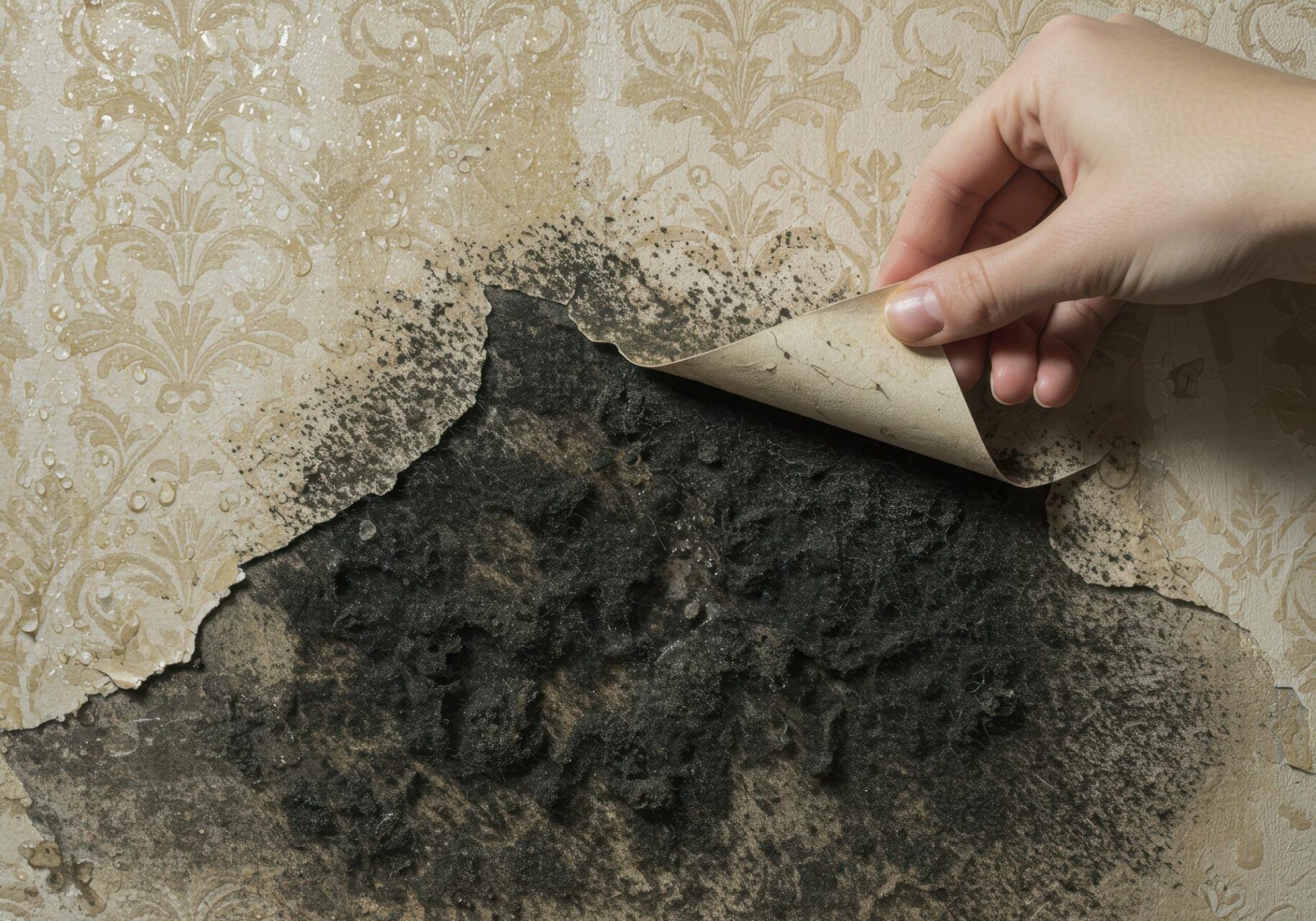
After flooding events, homes experience mold growth within 24 to 48 hours if not properly addressed. This statistic highlights the urgency of effective mold remediation strategies. Understanding how to assess water damage and implement safety precautions is vital for minimizing health risks. As you explore the essential steps in mold remediation, consider what measures can be taken to prevent future infestations and protect your environment.
Key Takeaways
- Conduct a thorough inspection for visible moisture, water stains, and mold growth within 24 to 48 hours post-flooding to assess damage.
- Use appropriate PPE, including N95 respirators, gloves, and goggles, to ensure safety during the mold remediation process.
- Promptly extract excess water with submersible pumps and wet/dry vacuums, and utilize dehumidifiers to control humidity levels effectively.
- Clean and disinfect affected surfaces using EPA-approved agents, ensuring thorough drying to prevent mold regrowth on salvaged materials.
- Regularly monitor for mold presence through air sampling and visual inspections, and develop a community preparedness plan for future flooding.
Understanding Mold Growth After Flooding
When flooding occurs, the conditions become ripe for mold growth, as moisture and organic materials create an ideal environment for spores to thrive. Understanding the mold lifecycle is essential in these situations.
Mold spores are everywhere, but they need specific environmental factors—like warmth, humidity, and food sources—to germinate and flourish. When you experience flooding, those factors often align perfectly, triggering rapid mold proliferation.
In just 24 to 48 hours, spores can begin to colonize damp surfaces, leading to potential health risks and structural damage. It’s important to act quickly to mitigate mold growth by addressing the moisture problem and removing contaminated materials.
Knowing how mold behaves and the conditions that support its lifecycle empowers you to take proactive steps in preventing extensive damage. Your awareness and prompt action can greatly reduce the risk of mold and foster a safer, healthier environment for you and your community.
Assessing Water Damage and Mold Risk
To effectively assess water damage and mold risk, you need to identify the areas affected by flooding.
Start by checking for visible signs of moisture and dampness, as these can indicate potential mold growth.
Evaluating moisture levels will help you determine the extent of damage and the urgency of remediation efforts.
Identify Affected Areas
Identifying affected areas after flooding is essential for effective mold remediation.
Begin by conducting a thorough affected surface inspection. Look for water stains, discoloration, or any visible mold growth, as these are indicators of potential contamination.
Utilize mold identification techniques, such as moisture meters or infrared cameras, to pinpoint hidden water sources that could foster mold growth. Pay special attention to areas like basements, crawl spaces, and behind walls, where moisture can linger undetected.
Document your findings to create a detailed picture of the damage. By accurately identifying these affected areas, you set the stage for targeted remediation efforts, ensuring a safer environment for you and your community.
Evaluate Moisture Levels
After pinpointing the affected areas, the next step involves evaluating moisture levels to assess the extent of water damage and the potential for mold growth.
Accurate moisture detection and humidity assessment are essential for effective remediation. Here’s how you can proceed:
Use a moisture meter: This tool helps you identify hidden moisture in walls, floors, and other materials.
Monitor indoor humidity: Aim for levels below 60% to inhibit mold growth; use a hygrometer for accurate readings.
Inspect for visible signs: Look for discoloration, warping, or a musty odor, which can indicate moisture retention.
Safety Precautions for Mold Remediation
When tackling mold remediation, you must prioritize safety by using appropriate personal protective equipment (PPE).
Confirm you have proper ventilation and airflow in the area to minimize exposure to airborne spores.
These precautions protect your health and enhance the effectiveness of the remediation process.
Personal Protective Equipment
Effective mold remediation requires at least three essential pieces of personal protective equipment (PPE) to assure your safety.
By adhering to safety guidelines, you can greatly reduce health risks during the process. Here’s what you need:
N95 Respirator: This mask filters out harmful mold spores, protecting your lungs.
Gloves: Use non-porous gloves to shield your skin from irritants and contaminants.
Goggles: These protect your eyes from mold particles and chemical splashes.
Wearing the right protective gear safeguards your health and fosters a sense of community responsibility.
By equipping yourself properly, you contribute to a safer environment for yourself and others.
Prioritize your well-being to ensure an effective mold remediation process.
Ventilation and Airflow
Ensuring proper ventilation and airflow during mold remediation is essential for minimizing health risks and preventing further mold growth. Effective airflow management helps in removing airborne spores and aids in drying affected areas. Implementing appropriate ventilation techniques can greatly impact the success of your remediation efforts.
| Ventilation Technique | Description | Benefits |
|---|---|---|
| Natural Ventilation | Opening windows/doors | Reduces moisture levels |
| Mechanical Ventilation | Using fans/ventilation systems | Enhances airflow |
| Dehumidifiers | Removes excess moisture | Prevents mold regrowth |
Containment of Affected Areas
Since mold spores can spread rapidly following flooding, it’s essential to contain the affected areas promptly.
Effective mold containment strategies minimize the risk of spores traveling to unaffected spaces, ensuring a safer environment for you and your family.
Here are three key steps to implement:
Set Up Temporary Barriers: Use plastic sheeting to create barriers around the contaminated areas. This prevents mold spores from escaping during cleanup.
Seal Off HVAC Systems: Turn off and seal vents to avoid circulating spores throughout your home.
Install Negative Air Pressure: Utilize air scrubbers to maintain negative pressure within the contaminated zones, further containing airborne spores.
Water Extraction Techniques
When dealing with flooding, your first step is to pump out the excess water to prevent further damage.
Once you’ve removed the bulk of the water, using dehumidifiers effectively will help reduce humidity levels and facilitate drying.
These techniques are essential in minimizing mold growth and ensuring a thorough remediation process.
Pumping Out Excess Water
Effective water extraction is vital in the aftermath of flooding, as it sets the foundation for successful mold remediation.
To achieve ideal results, you should employ the following water removal techniques:
- Submersible Pumps: Utilize these to remove standing water quickly and efficiently.
- Wet/Dry Vacuums: Perfect for smaller spaces, these can help eliminate residual moisture after pumping.
- Truck-Mounted Extractors: For large-scale flooding, these powerful machines can expedite the water removal process.
Incorporating these flood recovery strategies reduces the risk of mold growth and accelerates the overall recovery process.
Using Dehumidifiers Effectively
After successfully pumping out excess water, the next step in mold remediation involves managing humidity levels with dehumidifiers.
For effective humidity control, you’ll want to strategically consider dehumidifier placement. Position dehumidifiers in areas with the highest moisture, like basements or corners where water tends to accumulate. Make sure they’re not obstructed, allowing for ideal airflow.
It’s essential to monitor humidity levels regularly; aim for a target of 30-60% to prevent mold growth. Run the dehumidifiers continuously until your space reaches the desired humidity level.
Remember to empty the water reservoir or set up a drainage option to maintain efficiency. Proper use of dehumidifiers promotes a healthier environment and fosters a sense of security in your home.
Cleaning and Disinfecting Surfaces
Cleaning and disinfecting surfaces is essential in preventing mold growth after flooding, as even small amounts of moisture can lead to serious infestations.
To effectively clean and disinfect your spaces, follow these steps:
Choose the Right Cleaning Agents: Opt for EPA-approved cleaning agents that specifically target mold and mildew. These products help eliminate spores and prevent regrowth.
Employ Effective Disinfecting Techniques: After cleaning, use disinfectants to treat surfaces. Ensure proper contact time as specified on the product label to maximize effectiveness.
Focus on High-Risk Areas: Pay special attention to areas that are often damp, like basements, kitchens, and bathrooms.
Regularly inspect these spots for moisture or mold growth.
Drying and Dehumidification Processes
Once you’ve cleaned and disinfected surfaces, drying and dehumidification become essential in preventing mold growth.
You’ll want to employ effective drying techniques, such as using fans and heaters to circulate air and speed up evaporation. These methods help reduce moisture levels in affected areas, which is vital in thwarting mold spores from settling.
In tandem, consider utilizing various dehumidification methods. Industrial dehumidifiers can greatly lower humidity levels, making it harder for mold to thrive.
Monitor indoor humidity closely—keeping it below 60% is ideal. You should also check hidden spaces, like behind walls and under flooring, as moisture can linger unnoticed.
Repairing and Restoring Damaged Materials
While evaluating the damage caused by flooding, it’s crucial to prioritize the repair and restoration of affected materials to prevent further complications.
Understanding your material replacement options and effective restoration techniques is key. Here’s how to approach the process:
Assess the Damage: Identify which materials can be salvaged. Items like drywall, flooring, or furniture may need different approaches.
Choose Restoration Techniques: For wood, consider drying and refinishing. Carpets may require deep cleaning or replacement, depending on water exposure.
Implement Repair Solutions: Utilize appropriate adhesives, sealants, or replacements to restore structural integrity and appearance.
Monitoring and Testing for Mold
After addressing the repair and restoration of damaged materials, monitoring and testing for mold becomes an essential step in ensuring a safe environment. Mold testing and monitoring help you identify any hidden growth that could pose health risks. Conducting regular tests allows you to catch potential issues early, preventing severe infestations.
| Method | Description |
|---|---|
| Air Sampling | Collect air samples to detect spores. |
| Surface Testing | Swab surfaces for mold presence. |
| Moisture Assessment | Check humidity levels and dampness. |
| Visual Inspection | Look for signs of mold growth. |
Preventive Measures for Future Flooding Events
To effectively mitigate the risk of flooding and its subsequent mold issues, implementing preventive measures is vital.
By taking proactive steps, you can safeguard your home and community. Here are three key measures to evaluate:
Secure Flood Insurance: Confirm you have extensive flood insurance. This financial safety net can ease the burden during unforeseen flooding events, protecting your investment.
Community Preparedness: Engage with your neighbors to create a community preparedness plan. By sharing resources and knowledge, you can collectively respond more effectively to potential flooding.
Home Modifications: Invest in home modifications, such as elevating electrical systems and installing sump pumps. These adjustments can minimize water damage and reduce the likelihood of mold growth.
Review
In the aftermath of flooding, mold remediation is like tending to a garden after a storm. You must carefully assess the damage, remove the excess moisture, and nurture your environment back to health. By implementing safety precautions and preventive measures, you’re not just restoring your space; you’re cultivating resilience against future threats. Just as a well-tended garden flourishes, your diligent efforts can ensure a safe, mold-free home, allowing you to thrive in the face of adversity.