When dealing with black mold, it’s crucial to understand the risks and proper cleanup procedures. You need to identify signs of mold presence, assess the affected area, and take safety precautions before starting. Knowing the right tools and materials can make the process more efficient. As you navigate through the steps of removal, consider how to prevent future growth. The effectiveness of your approach may determine whether mold becomes a recurring issue in your space.
Key Takeaways
- Identify affected areas by checking for moisture, dark patches, and musty odors to confirm black mold presence.
- Use protective gear, including gloves, goggles, and a mask, to ensure safety during the cleanup process.
- Seal off the contaminated area to prevent mold spores from spreading to other parts of the home.
- Dispose of contaminated materials in airtight bags, following local regulations to avoid environmental issues.
- Maintain low indoor humidity and conduct regular inspections to prevent future mold growth.
Understanding Black Mold and Its Risks
When you encounter black mold, it’s essential to understand the risks it poses to your health and property. Black mold can lead to various health issues, especially for those with allergies or respiratory conditions. Symptoms like coughing, sneezing, and skin irritation can manifest, making it critical to address mold growth conditions quickly.
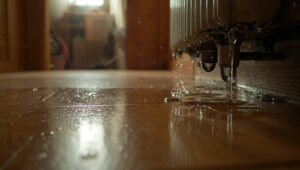
Mold thrives in damp, poorly ventilated areas, so identifying these conditions in your home is crucial. If you notice water damage or high humidity, you might be setting the stage for mold proliferation.
The longer it remains, the greater the risk to your health and the integrity of your property.
Identifying Signs of Black Mold Presence
Identifying signs of black mold presence is essential for maintaining a healthy living environment.
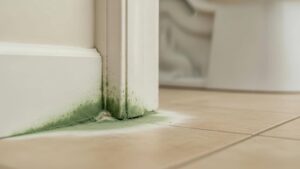
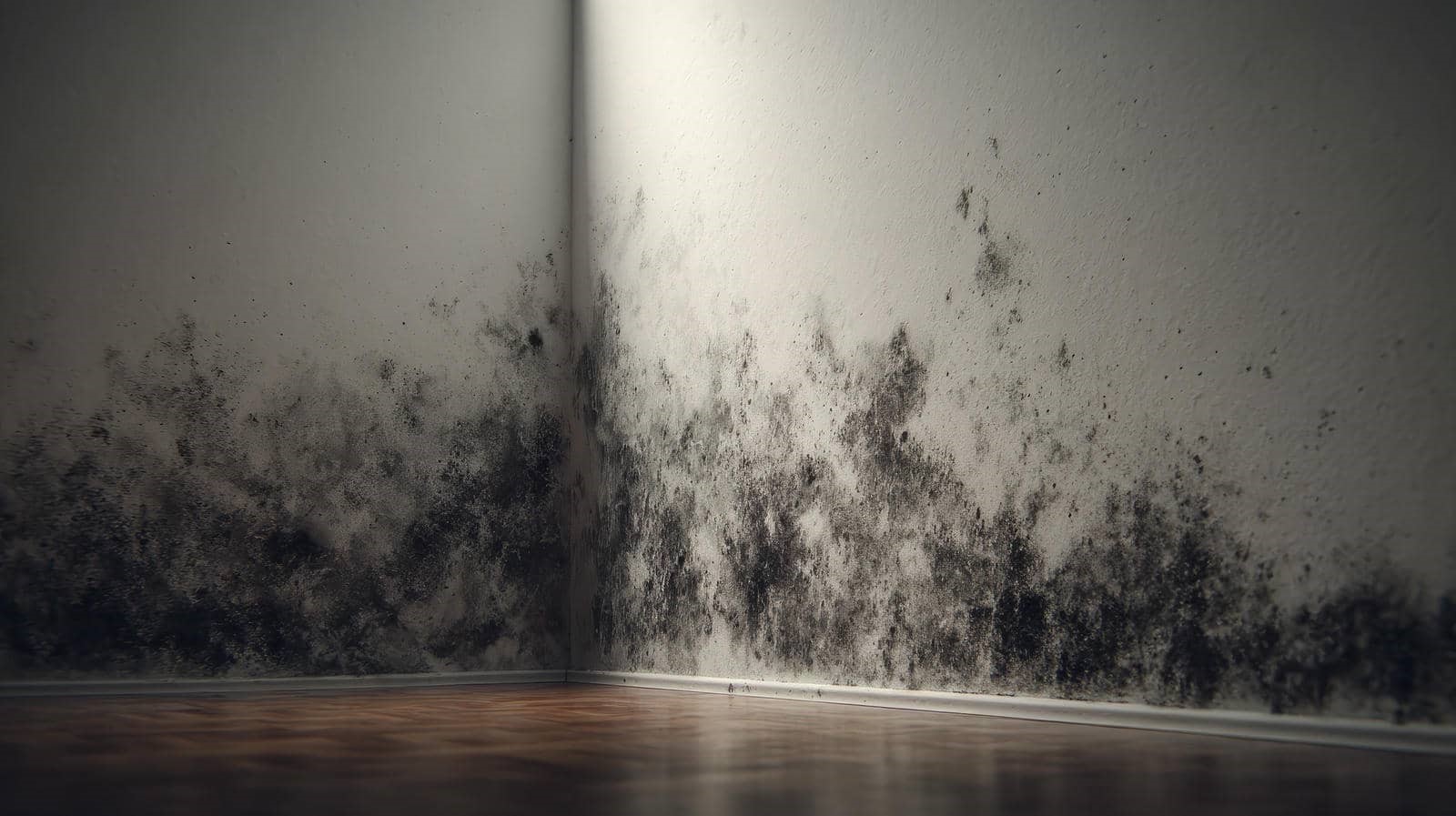
Start by using effective mold detection methods, such as checking for moisture in commonly affected areas like bathrooms and basements. Pay attention to visual indicators: dark patches on walls or ceilings, often accompanied by a musty odor, can signal mold growth.
You might also notice discoloration around windows or water stains, indicating leaks that promote mold development. If you see any fuzzy or slimy textures, these could likely be signs of mold.
Regularly inspecting your home, especially after water damage, can help you catch potential issues early. Remember, the sooner you identify black mold, the easier it is to address the problem and ensure your space remains a safe, welcoming environment for you and your loved ones.
Stay vigilant, and prioritize your health by being proactive in mold detection.
Safety Precautions Before Cleanup
Once you’ve identified signs of black mold, it’s vital to prioritize safety before starting the cleanup process.
Begin with a thorough hazard assessment of the affected area. Look for any signs of extensive mold growth and determine if the situation could pose health risks to you or others.
Next, equip yourself with proper protective gear, including gloves, goggles, and a mask rated for mold protection. This gear is important in minimizing your exposure to potentially harmful spores during cleanup.
Additionally, consider sealing off the area to prevent the spread of mold particles to other parts of your home. Ensure adequate ventilation by opening windows or using fans, but avoid creating drafts that could disturb settled spores.
Taking these safety precautions will protect your health and promote a sense of security for everyone involved in the cleanup process.
Essential Tools and Materials for Cleanup
Having the right tools and materials is vital for effective black mold cleanup. Start by gathering essential cleanup equipment, such as gloves, masks, and goggles, to ensure your safety.
You’ll need sturdy plastic bags for disposing of contaminated materials and a HEPA vacuum for thorough cleaning.
For cleaning supplies, invest in a quality mold remover solution or a mixture of vinegar and water, which can effectively eliminate spores. Scrub brushes with stiff bristles are important for scrubbing surfaces, while sponges can help in soaking up excess moisture.
Don’t forget to have a spray bottle handy for applying your cleaning solution efficiently.
Lastly, make sure you have proper containment materials, like plastic sheeting, to prevent spores from spreading to unaffected areas.
With these tools and supplies, you’ll be well-prepared to tackle the cleanup process and protect your living space from future mold issues.
Step-by-Step Black Mold Removal Process
Before you start the black mold removal process, it’s crucial to assess the extent of the infestation. Carefully inspect affected areas, noting the size and location of mold growth. This assessment will guide your mold removal techniques.
Next, confirm your cleanup safety by donning protective gear like gloves, goggles, and a mask to avoid inhaling spores. Seal off the contaminated area with plastic sheeting to prevent spores from spreading.
For smaller infestations, use a mixture of water and detergent to scrub the mold off surfaces. For larger infestations, consider using a commercial mold remover or a mixture of vinegar and baking soda.
After cleaning, thoroughly dry the area to prevent future growth.
Finally, monitor the space regularly to confirm the mold doesn’t return. Following these steps will help you effectively manage black mold, promoting a healthier environment for you and your loved ones.
Proper Disposal of Contaminated Materials
When dealing with contaminated materials, it’s essential to dispose of them properly to prevent further mold spread and protect your health.
Begin by identifying all contaminated waste, including porous items like carpets and drywall, as these can harbor mold spores. Always check local disposal regulations, as improper disposal can lead to legal issues and environmental harm.
Seal contaminated materials in airtight plastic bags or containers to minimize exposure during transport. Label these containers clearly to alert others of the hazardous contents.
Next, take them to a designated disposal facility that accepts contaminated waste, ensuring they’re handled according to safety standards.
Don’t forget to wash your hands and any tools used during the process to avoid further contamination.
Cleaning and Disinfecting Affected Areas
After verifying that contaminated materials are disposed of safely, the next step is to clean and disinfect the affected areas thoroughly.
Start by using appropriate cleaning techniques, such as scrubbing surfaces with a mixture of water and a mild detergent. This helps remove any visible residues and prepares the surface for disinfection.
Once cleaned, it’s essential to apply effective disinfecting methods. Opt for EPA-approved disinfectants that specifically target mold spores and bacteria.
Follow the manufacturer’s instructions for dilution and contact time to ensure maximum effectiveness.
Don’t forget to wear protective gear, including gloves and masks, to safeguard yourself during this process.
Pay special attention to high-touch areas and hidden spots where spores might linger.
Preventing Future Mold Growth
To prevent future mold growth, you need to implement effective moisture-control measures and ensure proper ventilation throughout your space.
Regular inspections will help you identify potential issues before they escalate.
Moisture Control Techniques
Moisture control techniques are vital for preventing future mold growth, as high humidity levels and water accumulation create ideal conditions for mold spores to thrive.
To effectively manage moisture, consider installing moisture barriers in areas prone to dampness, such as basements and crawl spaces. These barriers help block water vapor from penetrating walls and floors.
Additionally, practicing humidity control is important; aim to maintain indoor humidity levels between 30% and 60%. Use dehumidifiers in high-humidity areas and ensure proper ventilation in bathrooms and kitchens.
Regularly inspect your home for leaks and address them promptly. By implementing these moisture control techniques, you safeguard your living space from mold and foster a healthier environment for everyone.
Regular Inspections Importance
Regular inspections play an essential role in preventing future mold growth, as they allow you to identify and address potential issues before they escalate.
By scheduling regular inspections, you can reap significant benefits, including early detection of moisture problems and minimizing health risks.
It’s vital to establish an appropriate inspection frequency, ideally every six months, to ensure your environment remains mold-free.
A proactive approach saves you time and money and fosters a sense of community well-being.
When you stay vigilant, you contribute to a healthier space for yourself and those around you.
Remember, consistent inspections empower you to maintain control over mold-related challenges, enhancing your overall quality of life.
Stay engaged and protect your home.
Proper Ventilation Practices
Effective ventilation is essential for preventing mold growth in your home, as it helps to regulate humidity levels and promote air circulation. By ensuring that your ventilation systems function properly, you can greatly improve your indoor air quality.
Start by regularly checking vents and filters for dust or blockages, which can impede airflow. Utilize exhaust fans in moisture-prone areas like bathrooms and kitchens to expel humid air. Open windows when the weather permits to encourage fresh air exchange.
If possible, consider investing in a dehumidifier to maintain ideal humidity levels. Remember, consistent monitoring and maintenance of your ventilation systems prevents mold and creates a healthier living environment for you and your loved ones.
When to Call a Professional Mold Remediation Service
How can you determine when it’s time to call in a professional mold remediation service?
First, consider the extent of the mold growth. If you see mold covering more than 10 square feet, it’s a good indication that you’ll need professional assistance.
Next, if you’ve experienced water damage or persistent humidity, conducting a mold assessment is vital. This helps identify hidden mold that could pose health risks.
Additionally, if you or anyone in your household is experiencing respiratory issues, allergies, or other health concerns, seeking professional guidance is essential.
Professionals can effectively assess the situation and implement safe removal strategies. They have the expertise and tools to handle mold safely, ensuring that the problem doesn’t return.
Maintaining a Mold-Free Environment
To maintain a mold-free environment, it’s essential to control moisture levels in your home. Start by using humidity control measures like dehumidifiers and proper ventilation in areas prone to dampness, such as bathrooms and basements. Aim to keep indoor humidity below 60% to discourage mold growth.
Incorporating mold-resistant materials into your home construction or renovation can notably reduce the risk of mold infestations. For example, choose mold-resistant drywall and paint, which repel moisture and inhibit growth.
Regularly inspect your home for leaks or water damage, and address any issues immediately to prevent mold from taking hold.
Additionally, keep your home clean and dry, particularly in areas where moisture can accumulate.
Frequently Asked Questions
How Long Does It Take to Completely Remove Black Mold?
Removing black mold can take anywhere from a few days to several weeks, depending on the extent of the infestation and the mold removal techniques used. Cleanup timelines vary, so assess your situation carefully.
Can Black Mold Return After Cleanup?
Yes, black mold can return after cleanup if you neglect mold prevention tips. Employ effective cleanup methods and maintain dry, well-ventilated spaces to ensure a healthier environment and reduce the risk of recurrence.
What Are the Costs Associated With Professional Mold Removal?
Mold removal costs typically range from $500 to $6,000, depending on the extent of the infestation and remediation expenses. It’s essential to get quotes from professionals to understand your specific situation and budget effectively.
Will Insurance Cover Black Mold Remediation Expenses?
Insurance policies often seem like safety nets, but they might not cover black mold remediation expenses. It’s essential to check your policy for specific remediation coverage, as many exclude such damages, leaving you financially exposed.
Are There Health Risks During the Cleanup Process?
Yes, there are health risks during the cleanup process. You should take safety precautions, such as wearing protective gear and ensuring proper ventilation, to minimize potential health effects from mold exposure and create a safer environment.
Review
In tackling black mold, you face a dual challenge: safeguarding your health while restoring your home. By following the outlined procedures, you eliminate the immediate threat and empower yourself to maintain a healthier environment. Remember, vigilance against humidity and regular inspections can be your best defense. Whether you choose to DIY or call in professionals, taking decisive action now ensures a mold-free future, contrasting the chaos of contamination with the peace of a well-cared-for space.