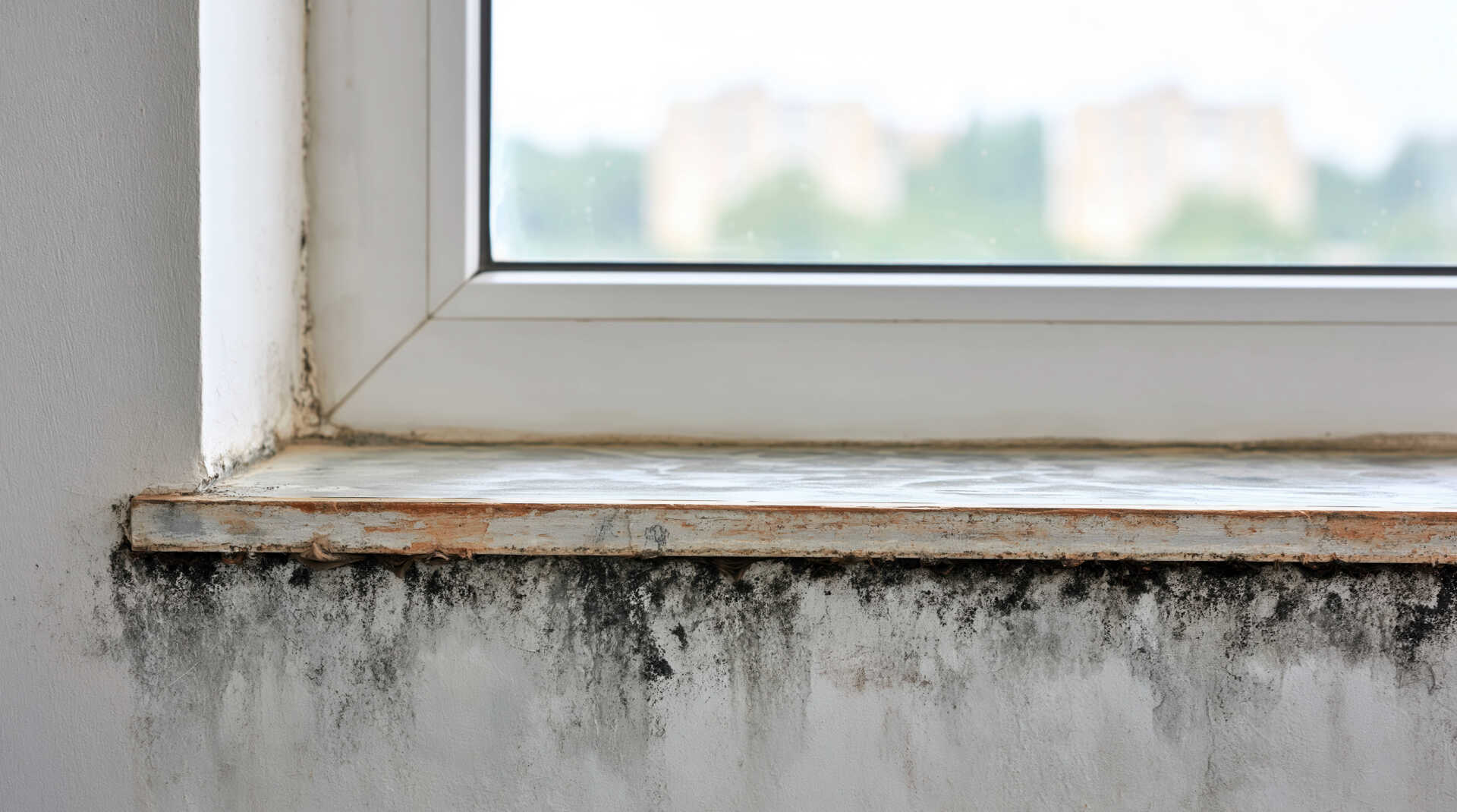
If black mold is taking over your home, you’re already dealing with more than a stain on the wall. Black mold remediation for residential properties starts with identifying dark growth and musty odors, tracing the moisture source, and addressing it quickly. Then, you can contain the area, remove contaminated materials, clean affected surfaces, and control indoor humidity with HEPA filtration. The sequence matters, because one missed step can undermine the entire remediation process.
Key Takeaways
- Identify black mold by checking damp areas for dark colonies, musty odors, staining, peeling paint, or warped materials.
- Stop the moisture source first by repairing leaks, improving drainage, and drying affected areas to normal levels.
- Contain the area with plastic barriers, sealed vents, and limited access to prevent spreading spores.
- Remove contaminated materials safely using gloves, an N95 respirator, and sealed bags for disposal.
- Clean remaining surfaces thoroughly and prevent recurrence by controlling humidity between 30% and 60%.
How to Spot Black Mold in Your Home
How do you know if black mold is present in your home? You inspect areas with persistent dampness, then look for dark green, black, or brown colonies on drywall, caulk, wood, or fabric.
You may notice a musty odor, staining, peeling paint, or warped materials. In black mold remediation for residential properties, you should treat visible growth as a warning sign, even if the patch is small.
Check bathrooms, basements, crawlspaces, behind appliances, and around windows. Use a flashlight and wear gloves and an N95 respirator while you examine.
If you’re part of a household facing this problem, you’re not alone, and careful observation helps you respond early. Don’t disturb suspect material; document what you see so you can plan the next step with precision.
Find and Fix the Moisture Source
Before you remove or clean any mold, you need to find the water source that’s feeding it and stop it at the point of entry, because mold will return if moisture remains.
Inspect roofs, flashing, windows, plumbing lines, supply valves, drains, HVAC condensate, and foundation penetrations. Trace stains, peeling paint, warped materials, and musty odors back to the active leak or chronic humidity pattern.
Test damp areas with a moisture meter and verify readings in adjacent materials, so you can map the extent accurately. Then repair the defect, replace failed seals, tighten fittings, clear clogs, or improve drainage.
Dry the assembly to normal levels before you proceed. When you correct the source properly, you protect your home, your health, and the standards your household deserves.
Contain the Area Before Cleaning
Once the moisture source is under control, you need to isolate the affected area so spores and dust don’t spread to clean spaces during remediation.
Close doors, seal supply and return vents, and use 6-mil plastic sheeting to build a tight barrier from floor to ceiling. Tape seams, cover gaps, and create a controlled entry with a slit or zipper so you can move in and out without breaking containment.
Turn off HVAC only if the system could distribute contamination. If the room has windows, keep them closed unless you’re exhausting air outside through proper filtration.
Clear nearby furnishings from the perimeter, and place a walk-off mat at the exit.
With disciplined containment, you protect the rest of your home and work as a coordinated team.
Remove Black Mold Safely
You should put on gloves, eye protection, and a respirator rated for mold before you start any removal work.
Keep the affected area sealed with plastic sheeting and negative pressure if available, so spores don’t spread to clean spaces.
Then remove the contaminated material carefully, bag it immediately, and discard it according to local disposal requirements.
Protective Gear Setup
Suit up with proper protective gear before disturbing any contaminated material, since black mold remediation can release airborne spores and fungal fragments.
You need a sealed respirator rated N95 or higher, nonporous gloves, eye protection, and disposable coveralls with boot covers to reduce direct exposure. Check every seam and strap before you begin, because gaps compromise protection fast.
Keep your gear clean, dry, and dedicated to the job so you don’t track contamination through your home. If you’re working in a shared household, let others know you’re in full remediation mode and keep pets away from your staging area.
After use, remove gear carefully, bag disposables immediately, and wash reusable items thoroughly. That disciplined setup helps your team stay safe and focused.
Contain Affected Area
With protective gear in place, isolate the contaminated zone before any removal begins. Close doors, seal HVAC registers, and shut off fans that could move spores through your home.
If the room has no door, hang 6-mil polyethylene sheeting from ceiling to floor and tape every seam tightly. Create a negative-pressure setup only if you know how to vent air outdoors safely; otherwise, keep the space closed and controlled.
Place a damp towel at the threshold to limit foot traffic and dust migration. You’re protecting the rest of the household, so work methodically and avoid quick passes through the area.
Keep children, pets, and other occupants out until you’ve finished the containment step and verified the boundary remains intact.
Remove And Discard
Cut out and discard all visibly mold-damaged porous materials that can’t be effectively cleaned, such as drywall, insulation, carpet pad, and ceiling tile.
You should seal waste in 6-mil polyethylene bags or wrap it tightly before you move it through the home, so spores don’t spread.
Wear gloves, eye protection, and an N95 or better respirator; if contamination is extensive, use a full-face or half-face P100 setup.
Keep removed material damp enough to limit dust, but never soak it.
Then clean adjacent framing, sheathing, and subflooring with detergent and water, and wipe dry.
If you’re working with your household team, stay coordinated, verify each step, and keep the area isolated until all debris is gone and surfaces are visibly clean.
Clean the Air and Contaminated Contents
Once containment is in place, you need to clean the air and any contaminated contents to prevent mold spores from spreading back into the home.
Run HEPA air scrubbers continuously in the affected zone, and position them to create full air turnover without short-circuiting airflow.
Vacuum all hard surfaces, framing, and salvageable furnishings with a true HEPA unit, then wipe them with a damp, non-sudsing detergent solution.
Launder fabrics in hot water when the label permits, and discard porous items that still show visible growth or odor.
Bag debris before removal so you don’t re-aerosolize spores.
Keep the work area closed until cleaning is complete, then inspect every surface under bright light.
This disciplined process helps your household regain a clean, controlled environment.
Prevent Black Mold From Returning
To keep black mold from returning, you need to eliminate the moisture sources that let it grow in the first place. You should inspect roofs, plumbing, windows, and foundations for leaks, then repair them fast.
Keep indoor humidity between 30% and 60% with dehumidifiers and exhaust fans, especially in bathrooms, kitchens, and basements. Dry any water intrusion within 24 to 48 hours, and replace porous materials that stay damp.
Improve drainage outside so water moves away from your home. Seal gaps where humid air enters, and maintain HVAC filters and condensate lines.
Frequently Asked Questions
How Dangerous Is Black Mold to Pets and Children?
You’re right to worry: black mold can irritate your pets’ and children’s airways, trigger allergies, and worsen asthma. If they show coughing, sneezing, lethargy, or vomiting, you should seek veterinary or medical help promptly.
Does Homeowners Insurance Cover Black Mold Damage?
Usually not; you’re covered only when a sudden, covered peril caused the mold. In one claim I handled, a burst pipe became a “hidden leak” issue, and your policy’s exclusions often limit remediation.
When Should I Hire a Professional Mold Remediator?
You should hire a professional mold remediator when contamination exceeds 10 square feet, enters HVAC or hidden cavities, or you’re immunocompromised. They’ll contain spores, remove affected materials, and correct moisture safely, protecting your home and community.
How Long Does Black Mold Remediation Usually Take?
You’ll usually need one to five days for remediation, depending on infestation size, access, and moisture control. You can expect inspection, containment, removal, cleaning, drying, and verification before the affected area’s safe again.
What Certifications Should a Mold Contractor Have?
You should verify that your contractor holds IICRC mold remediation certification, state contractor licensing, and OSHA training. You’ll also want documentation of insurance, respiratory protection, and ongoing moisture-control training to ensure your team’s standards match yours.
Review
When you handle black mold remediation in your home, you’re not just cleaning a stain—you’re interrupting a cycle. I once saw a basement cleared in a day, only to bloom again a week later because a hidden pipe still leaked. That’s the rule: fix the moisture source first, then contain, remove, and clean with precision. Keep humidity below 60%, use HEPA filtration, and you’ll cut off mold’s fuel before it can return.