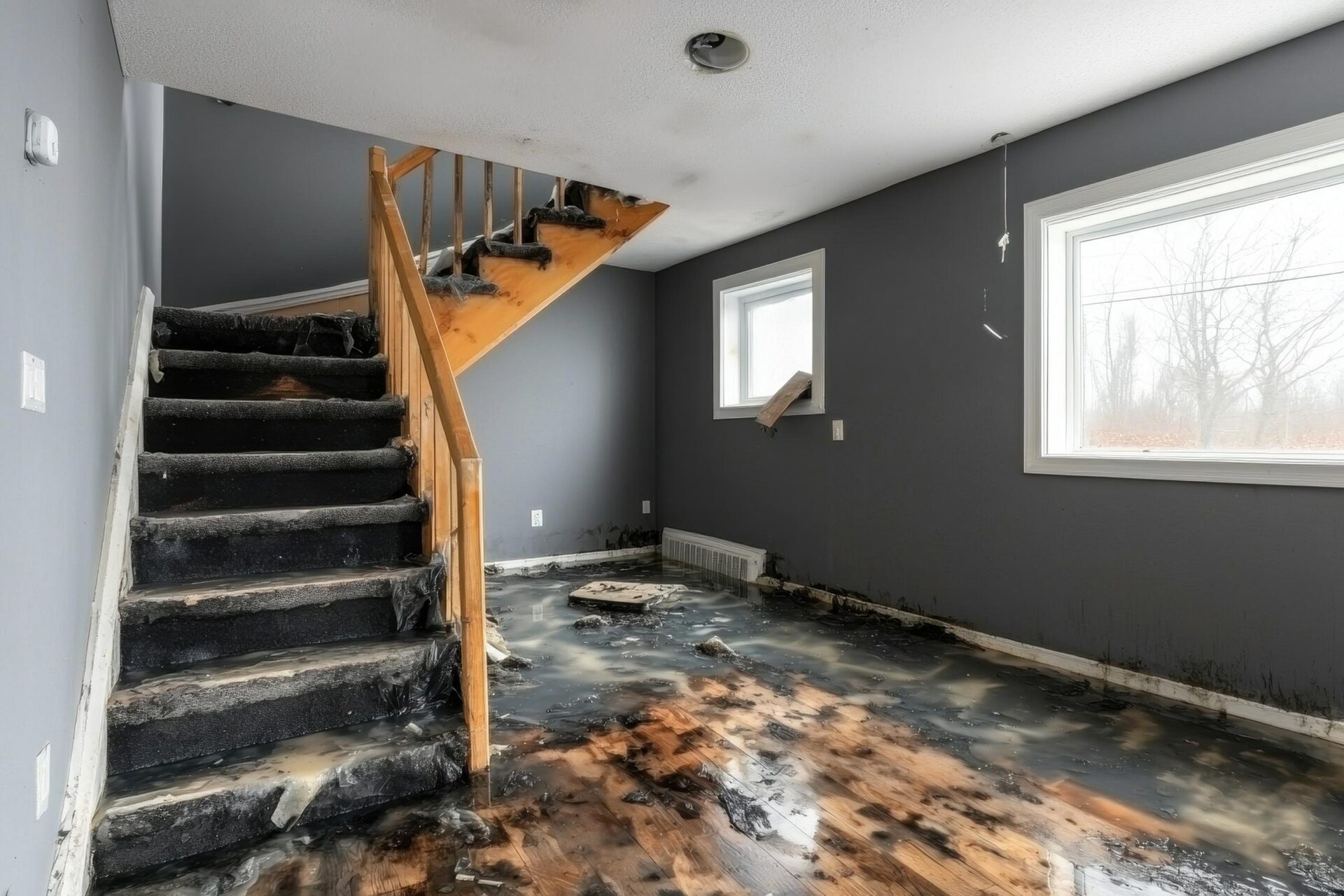
Just like a fortress needs a solid foundation to withstand the elements, your basement requires proactive measures to prevent mold growth. Moisture is the enemy, and understanding how to control it is vital. From evaluating humidity levels and ensuring proper ventilation to sealing gaps and using mold-resistant materials, there are several strategies you can implement. Discover the best practices to create a healthier environment in your basement and keep mold at bay.
Key Takeaways
- Identify and eliminate moisture sources such as leaks and condensation to create a dry environment.
- Maintain humidity levels below 60% using dehumidifiers and proper ventilation.
- Regularly inspect for signs of water damage and mold growth to address issues promptly.
- Seal cracks and gaps in foundation walls and around windows to prevent moisture entry.
- Establish a regular cleaning schedule to remove mold spores and improve air quality.
Assessing Moisture Levels
Before you can effectively prevent mold growth in your basement, you need to assess the moisture levels present.
Start by identifying potential moisture sources like leaks, groundwater seepage, or condensation on cool surfaces. Use a moisture meter to check the humidity levels; ideally, you want to keep it below 60%. High humidity can encourage mold growth, so it’s essential to implement humidity control measures.
Consider using dehumidifiers to maintain a comfortable level, especially during humid months. Also, inspect your basement for any signs of water damage or mold, as these can indicate persistent moisture issues.
Remember, addressing these sources early helps create a healthier, mold-free environment. By taking these steps, you’re protecting your basement and ensuring a safe space for you and your loved ones.
Regular monitoring and proactive measures can go a long way in maintaining a dry and inviting basement.
Ensuring Proper Ventilation
To prevent mold growth, it’s essential to ensure proper ventilation in your basement.
Open windows regularly to allow fresh air in and reduce humidity levels.
Additionally, using exhaust fans can help circulate air and remove excess moisture, keeping your space dry and mold-free.
Open Windows Regularly
Opening your windows regularly is one of the simplest yet most effective ways to ensure proper ventilation in your basement. By allowing fresh air to flow in, you create natural airflow that helps reduce humidity levels.
This is essential since stagnant air can trap moisture, leading to mold growth. Aim to open windows for at least 15-30 minutes daily, especially after rain or during humid seasons.
If your basement has multiple windows, try to open them all to enhance cross-ventilation. Even on cooler days, fresh air can greatly improve the environment, making your basement more livable.
Incorporating this simple habit keeps mold at bay and fosters a healthier space for you and your family.
Use Exhaust Fans
Using exhaust fans is an effective method to ensure proper ventilation in your basement, especially in areas prone to high humidity.
Proper exhaust fan placement is vital; install fans near moisture sources, like laundry areas or bathrooms, to maximize airflow. Regular fan maintenance keeps your fans running efficiently and prevents dust buildup, which can hinder performance.
Here are three key tips for using exhaust fans effectively:
Choose the Right Size: Verify your fan’s capacity matches your basement size for ideal airflow.
Run Fans Regularly: Use the fans during humid days and after activities that generate moisture, like showering.
Check Filters Often: Clean or replace filters to verify your exhaust fan operates at peak efficiency.
Taking these steps helps keep mold at bay!
Utilizing Dehumidifiers
Dehumidifiers are essential tools for preventing mold growth in basements, especially in areas with high humidity levels. By choosing the right dehumidifier types and setting them to ideal settings, you can greatly reduce moisture in the air, creating an inhospitable environment for mold.
| Dehumidifier Type | Ideal Humidity Setting |
|---|---|
| Portable | 30% – 50% |
| Whole-House | 40% – 60% |
| Desiccant | 30% – 50% |
| Refrigerant | 40% – 50% |
When selecting a dehumidifier, consider its capacity based on your basement size. Regularly check the water levels and empty the tank or connect a drain hose for continuous operation. By actively managing humidity, you’re not just preventing mold; you’re creating a healthier, more comfortable space for you and your family.
Sealing Cracks and Gaps
To prevent mold growth, start by identifying vulnerable areas in your basement, such as cracks in the walls or gaps around windows and doors.
Once you’ve located these spots, use quality sealants to effectively close them off from moisture.
This simple step can greatly reduce the chances of mold taking hold in your basement.
Identify Vulnerable Areas
While you may not notice them at first glance, cracks and gaps in your basement can serve as gateways for moisture and mold growth.
Identifying these vulnerable areas is essential in preventing various mold types. Here are three key areas to inspect:
Foundation Walls: Look for any visible cracks that could allow water seepage.
Around Windows and Doors: Check for gaps where moisture can enter, especially if you notice condensation.
Pipes and Electrical Outlets: Inspect areas where pipes and wires penetrate the walls; these can be common entry points for moisture.
Use Quality Sealants
After identifying vulnerable areas in your basement, addressing those cracks and gaps with quality sealants is crucial to preventing mold growth.
Start by choosing the right sealant types, such as polyurethane or silicone, which offer excellent moisture resistance. Clean the surfaces thoroughly before application to ensure proper adhesion.
For smaller gaps, a caulk gun can help you apply sealant precisely. Larger cracks may require a trowel for an even finish. Always follow the manufacturer’s instructions for curing times and techniques.
Choosing Mold-Resistant Materials
Selecting mold-resistant materials is essential for keeping your basement dry and healthy. By choosing the right products, you can greatly reduce the risk of mold growth.
Here are three key materials to take into account:
Mold Resistant Paints: These specialty paints contain antimicrobial properties that help prevent mold and mildew from taking hold on your walls.
Moisture Barriers: Installing a moisture barrier on your basement walls and floors can effectively block excess humidity and water seepage, creating a more stable environment.
Water-Resistant Flooring: Opt for water-resistant materials like vinyl or tile, which are less likely to absorb moisture and harbor mold.
Regular Cleaning and Maintenance
To keep mold at bay in your basement, regular cleaning and maintenance are essential. Start by establishing a cleaning schedule that fits your lifestyle. Aim for a thorough clean every few months, focusing on corners, hidden spaces, and areas prone to dampness.
Remember to use a mixture of soap and water to clean surfaces, as this helps eliminate mold spores.
Incorporate maintenance routines into your seasonal tasks. Check for leaks, inspect pipes, and verify your sump pump is functioning properly.
Keep an eye on your foundation walls for cracks, and address any issues immediately. Don’t forget to declutter! A tidy basement allows for better airflow, reducing moisture buildup.
Monitoring Indoor Humidity Levels
How can you effectively manage humidity levels in your basement to prevent mold growth? Monitoring indoor humidity is essential for maintaining a healthy environment.
Here are three effective methods to keep your basement dry:
Use Humidity Sensors: Invest in reliable humidity sensors that alert you when levels rise above 60%. This helps you take action before mold develops.
Employ Moisture Meters: Regularly check your basement’s moisture levels with moisture meters. These devices provide precise readings, helping you identify any damp areas that need attention.
Ventilation: Make certain your basement is well-ventilated. Open windows or use exhaust fans to promote air circulation, especially during humid months.
Review
By taking proactive steps to prevent mold growth in your basement, you’re not just safeguarding your space; you’re investing in your health and well-being. Just as a fortress needs strong walls to keep invaders at bay, your basement requires diligence and care to maintain a safe environment. Regularly assess moisture levels, ensure adequate ventilation, and practice routine maintenance. With these practices, you’ll create a mold-free haven that supports your home and your family’s comfort for years.