Many homeowners underestimate how quickly ceiling water damage can lead to mold growth, often within just 24 to 48 hours. If you notice discoloration or a musty smell, it’s vital to act fast. Addressing the source of the water is just the first step. Understanding the full extent of the damage and knowing what to do next can make all the difference in protecting your home and health. What should you do to tackle this issue effectively?
Key Takeaways
- Inspect ceilings for stains or discoloration to identify potential water damage and mold growth.
- Use moisture detection tools to assess the severity of damage before initiating repairs.
- For minor mold issues, clean with a vinegar spray or hydrogen peroxide solution to halt growth.
- Hire certified professionals for extensive mold remediation and to ensure proper repairs and air quality.
- Prevent future damage by maintaining roof integrity, controlling humidity, and sealing cracks around windows and doors.
Understanding Ceiling Water Damage
When you notice stains or discoloration on your ceiling, it often signals underlying water damage that requires immediate attention. Ignoring these signs can lead to more extensive issues down the line.
Water sources such as leaky roofs, burst pipes, or even condensation can compromise various ceiling materials, including drywall, plaster, and wood. It’s essential to identify the source of the water first; without addressing it, repairs will only be temporary.
Once you’ve pinpointed the water source, assess the extent of the damage. Discolored areas may need patching or complete replacement, depending on their severity.
Ceilings made of drywall, for instance, might absorb moisture, weakening their integrity. If you’re uncertain about the condition of your ceiling materials, consulting a professional can provide peace of mind.
Taking these steps restores your ceiling’s appearance and protects your home’s overall health and integrity.
Identifying Signs of Mold Growth
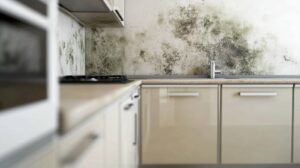
As you monitor your ceiling for signs of water damage, it’s essential to be vigilant about potential mold growth, which can develop quickly in damp environments.
Recognizing the signs early can help you prevent various mold types, ensuring a healthier living space for you and your loved ones.
Look out for these indicators:
- Discoloration: Dark spots or patches that appear suddenly can signify mold growth.
- Musty Odors: A persistent, earthy smell often accompanies mold infestations.
- Condensation: Excess moisture on your ceiling or walls may indicate a breeding ground for mold.
If you notice any of these signs, act swiftly.
Mold prevention is key to maintaining a safe environment. By addressing water damage promptly and keeping an eye on humidity levels, you can greatly reduce the risk of mold development in your home.
Don’t wait for mold to take hold—stay proactive and protect your space!
Immediate Steps to Take After Water Damage
After experiencing water damage, it’s essential to act quickly to minimize potential harm to your home. Start by ensuring your safety; if the damage is extensive, consider calling an emergency response team. They’re trained to handle situations like this and can assess risks you mightn’t see.
Next, turn off the electricity in affected areas to prevent hazards.
Once you’re safe, initiate water extraction. Use a wet/dry vacuum to remove standing water, or call professionals if the damage is significant. The quicker you extract water, the lower the chances of mold growth.
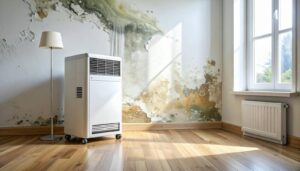
Afterwards, begin drying out the affected areas by opening windows and using fans or dehumidifiers. Keep an eye on the moisture levels in your home for the next few days.
These immediate steps help protect your home and foster a sense of belonging, knowing you’re taking charge of the situation.
Assessing the Extent of Damage
To effectively assess the extent of water damage to your ceiling, start with a thorough visual inspection.
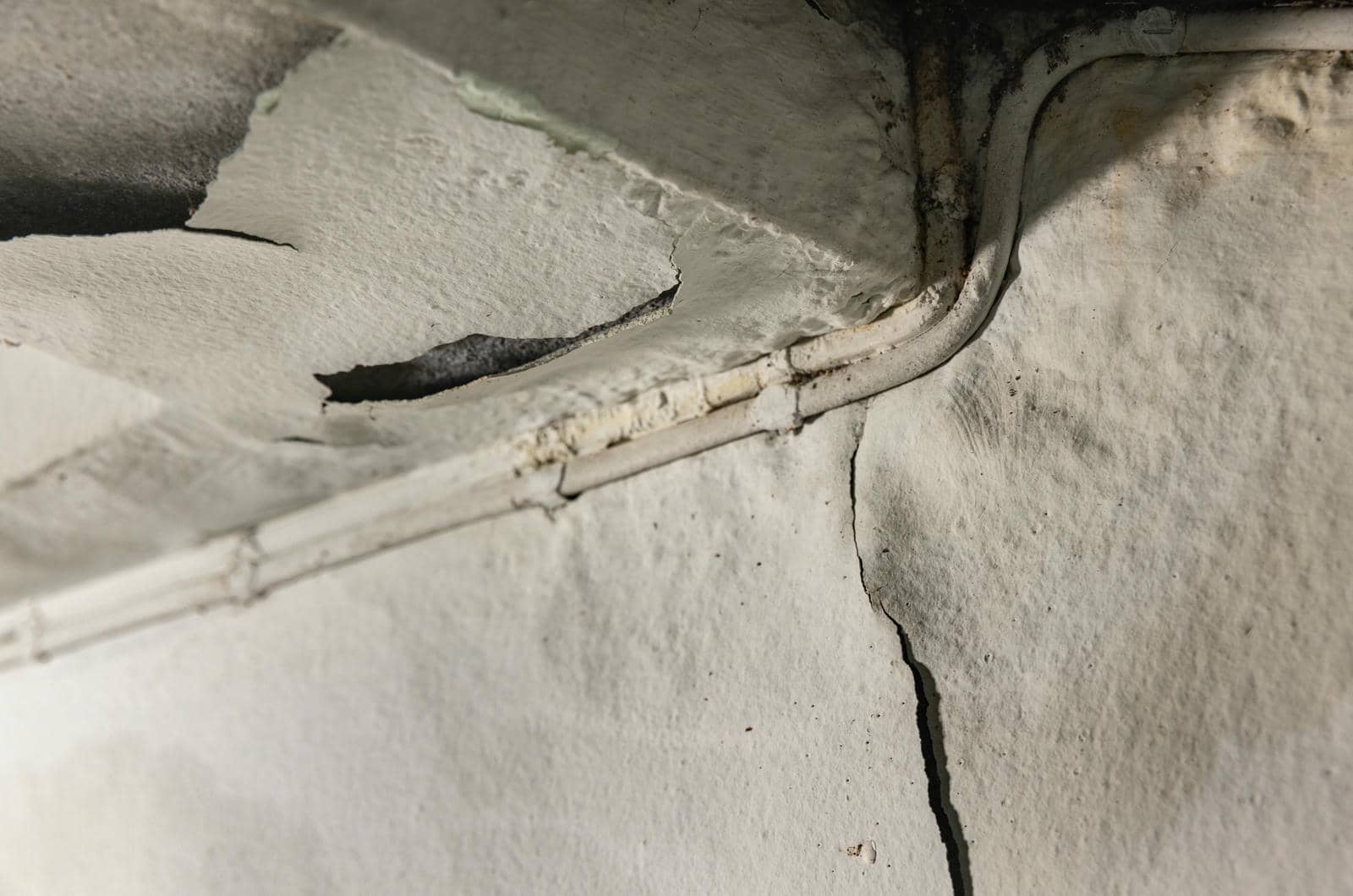
Look for discoloration, sagging, or peeling paint, as these can indicate underlying issues.
Next, utilize moisture detection tools to gauge the severity of the damage and classify it accordingly, ensuring an appropriate response to the situation.
Visual Inspection Techniques
While you might notice water stains on your ceiling, a thorough visual inspection is essential for accurately determining the extent of damage.
Using effective visual inspection methods, you can identify issues that may not be immediately visible. Grab your ceiling inspection tools and follow these steps:
- Look for discoloration or bubbling in the paint.
- Check for any cracks or peeling in the plaster.
- Inspect around light fixtures and vents for moisture accumulation.
These observations help you pinpoint the damage itself, as well as potential sources of leaks.
By carefully evaluating these areas, you can address issues before they worsen, fostering a sense of security and comfort in your home.
Moisture Detection Tools
Since accurately evaluating moisture levels is essential for effective ceiling water damage repair, investing in moisture detection tools can save you time and money.
Moisture meters are invaluable in identifying hidden leaks and determining saturation levels in your ceilings. By using these devices, you can pinpoint problem areas that mightn’t be visible during a visual inspection.
For thorough leak detection, consider infrared cameras, which reveal temperature differences indicating moisture presence. These tools help you make informed decisions on repairs, ensuring you address the root cause rather than just cosmetic issues.
With the right equipment, you can confidently tackle water damage, fostering a sense of belonging in your home through effective and timely restoration.
Damage Severity Classification
Evaluating the extent of damage is crucial for effective restoration, especially when dealing with ceiling water damage. By classifying the severity, you can ensure appropriate remediation measures are taken.
Here’s how to assess the situation:
Minor Damage: Small stains or discoloration that may only require surface cleaning.
Moderate Damage: Visible water damage with potential mold growth, needing immediate attention to prevent escalation.
Severe Damage: Extensive structural damage, often with significant mold classification issues, requiring professional intervention.
Understanding these categories helps you prioritize actions effectively.
Don’t underestimate the impact of water damage; addressing it promptly can prevent further complications and maintain a healthy living environment for you and your loved ones.
Professional Mold Remediation Techniques
When dealing with mold, understanding professional remediation techniques can make all the difference in restoring your space effectively. Certified experts utilize a systematic approach for mold removal, ensuring safety and thoroughness.
They begin with an assessment to identify the mold’s source and extent, allowing for targeted remediation techniques.
Next, they’ll contain the affected area to prevent spores from spreading. Using specialized equipment, they’ll remove contaminated materials and apply antimicrobial solutions to eliminate any remaining spores. Air filtration devices are often employed to enhance air quality during the process.
After mold removal, professionals will monitor humidity levels and recommend preventive measures to discourage future growth. This knowledge protects your health and preserves your home’s integrity.
DIY Mold Removal Methods
When tackling mold removal on your own, it’s essential to prioritize safety by wearing protective gear and ensuring proper ventilation.
You’ll want to use effective cleaning solutions, like a mixture of water and vinegar, to eliminate mold from affected areas.
Additionally, implementing prevention tips can help you avoid future issues and maintain a healthy living environment.
Essential Safety Precautions
Before tackling mold removal on your own, it’s essential to prioritize safety to protect yourself from potential health risks.
Start by gathering the right safety gear to ensure you’re fully prepared:
- N95 respirator mask: It filters out airborne spores, keeping your lungs safe.
- Gloves: Use rubber or vinyl gloves to prevent skin contact with mold and cleaning solutions.
- Goggles: Protect your eyes from irritants and spores during the cleanup process.
Additionally, familiarize yourself with emergency procedures, like knowing when to evacuate the area if the mold is extensive.
By taking these precautions, you’ll create a safer environment for yourself and others while effectively addressing the mold issue.
Effective Cleaning Solutions
To effectively tackle mold on your ceiling, you’ll want to employ a few proven DIY cleaning solutions that can help restore your space. Using eco-friendly cleaners or homemade solutions protects your health and minimizes environmental impact. Here are some effective options:
| Solution | Ingredients |
|---|---|
| Vinegar Spray | 1 part white vinegar, 1 part water |
| Baking Soda Paste | 1/2 cup baking soda, water to make paste |
| Hydrogen Peroxide | 1 cup hydrogen peroxide (3%) |
Apply these mixtures directly onto the moldy areas, let them sit for at least 10 minutes, then scrub with a brush. Rinse thoroughly and dry the area to prevent regrowth. With these methods, you’ll reclaim your ceiling, creating a healthier home.
Prevention Tips and Tricks
While it may seem challenging, preventing mold growth on your ceiling is achievable with consistent maintenance and a few strategic practices. Implementing preventive maintenance and installing moisture barriers are key steps in keeping your ceiling mold-free.
Consider these tips:
Regularly inspect your ceilings for leaks or damp spots that may develop into larger issues.
Control humidity levels by using dehumidifiers or ensuring proper ventilation, especially in bathrooms and kitchens.
Seal cracks and gaps around windows and doors to minimize moisture intrusion.
Repairing Water-Damaged Ceilings
When you discover water damage on your ceiling, addressing it promptly is vital to prevent further deterioration and mold growth.
Start by identifying the source of the leak; it’s essential to address that first to ensure effective water restoration. Once the source is secured, assess the extent of the damage. If the drywall is soaked or sagging, you’ll likely need to replace that section.
Prepare for ceiling repair by removing damaged areas with a utility knife, ensuring clean edges for a secure fit.
Afterward, patch the space with new drywall, securing it with screws and applying joint compound to smooth the surface. Sand it down once dry, and prime and paint to match your existing ceiling.
Finally, consider using a mold-resistant paint to protect against future moisture issues. By tackling these repairs methodically, you’ll restore your ceiling and create a safer, healthier living environment.
Preventing Future Water Damage
To prevent future water damage, you need to prioritize regular roof inspections and proper gutter maintenance.
Inspecting your roof helps identify potential leaks or damaged shingles before they lead to serious issues.
Additionally, keeping your gutters clear ensures rainwater flows away from your home, reducing the risk of water pooling and causing ceiling damage.
Regular Roof Inspections
Regular roof inspections are essential for preventing future water damage and maintaining the integrity of your home. By scheduling consistent inspections, you can identify potential issues before they escalate, ensuring your roof remains a reliable shield against the elements.
Aim for at least two inspections a year, focusing on:
- Loose or damaged shingles that can lead to leaks
- Cracks or gaps in flashing that compromise waterproofing
- Accumulated debris can cause moisture retention
Prioritizing roof maintenance extends the lifespan of your roof and protects your home from costly repairs down the line.
Proper Gutter Maintenance
Although it might seem like a simple task, proper gutter maintenance is vital for preventing future water damage in your home.
Start with a thorough gutter inspection at least twice a year, ideally during spring and fall. Look for blockages, rust, or sagging sections that can trap water and lead to overflow.
Don’t forget to clean out leaves and debris regularly; this seasonal maintenance is essential for keeping your gutters functioning properly.
Make sure downspouts direct water away from your foundation to avoid pooling.
By investing time in these tasks, you’re not just protecting your home—you’re creating a safe and welcoming environment for yourself and your loved ones.
Choosing the Right Repair Service
How do you ensure you’re choosing the right repair service for ceiling water damage and mold issues? Start by researching repair service qualifications. Look for licensed professionals with experience in water damage and mold remediation.
Then, consider conducting a service cost comparison to ascertain you’re getting fair pricing without sacrificing quality.
When evaluating potential services, keep these factors in mind:
- Customer reviews: Read testimonials to gauge satisfaction and reliability.
- Detailed estimates: Look for clear, itemized quotes that outline the scope of work.
- Warranty: Confirm they offer warranties on their services to protect your investment.
Choosing the right repair service is essential for your home’s safety and your peace of mind.
When you select a qualified team that meets your needs, you’re not just fixing a problem; you’re investing in the well-being of your living space.
Health Risks Associated With Mold Exposure
When you encounter mold in your home, it’s crucial to recognize the potential health risks associated with exposure. Mold can trigger mold allergies, leading to various health symptoms that can affect your daily life. You might experience respiratory issues, such as coughing, sneezing, or a runny nose, which can be particularly troublesome for those with asthma or other pre-existing conditions.
Additionally, prolonged exposure can result in skin irritations, headaches, and fatigue.
It’s significant to highlight that certain individuals, like young children and the elderly, may be more vulnerable to these health risks. Mold can also release mycotoxins, which pose serious health threats when inhaled or ingested.
Review
In the grand tapestry of your home, the threads of water and mold can unravel the peace you’ve woven. By addressing ceiling water damage promptly, you’re not just repairing a surface; you’re safeguarding the sanctuary you’ve created. Just as a gardener tends to weeds before they choke the flowers, your vigilance keeps mold at bay. Invest in repairs and maintenance, nurturing a healthy environment where your family can thrive, free from the shadows of dampness and decay.