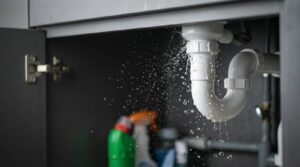

When a burst pipe floods your home, acting quickly is vital. You’ll need to turn off the main water supply immediately to prevent further damage. Next, evaluating and documenting the situation is essential for your insurance claims. But there’s more to take into account beyond these initial steps. Understanding the full scope of damage and how to effectively mitigate it can save you time and money in the long run. What should you do next?
Key Takeaways
- Immediately turn off the main water supply to prevent further flooding and damage from the burst pipe.
- Document the damage with photographs to support insurance claims and assess the extent of repairs needed.
- Remove standing water quickly using a wet vacuum and enhance ventilation with fans to promote drying.
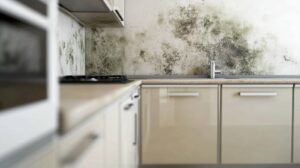
- Inspect for mold growth and clean small patches promptly to prevent further damage and health risks.
- Consider enlisting professional assistance for effective repairs and to minimize stress during the restoration process.
Turn Off the Water Supply Immediately
When faced with a burst pipe, the first action you must take is to turn off the water supply immediately. This vital step prevents further flooding and potential water damage to your property.
Locate your main shut-off valve, often found near the water meter, and turn it clockwise until it’s fully closed. If you’re unsure where it is, familiarize yourself with its location ahead of time; this preparedness is essential for any homeowner.
Next, consider additional emergency measures. If your home has individual shut-off valves for specific appliances, like washing machines or sinks, turn those off as well. This can help minimize the water’s impact while you address the situation.
Assess the Damage and Document Everything
Once you’ve turned off the water supply, start your assessment with a thorough visual inspection checklist to identify all affected areas.
Make sure to photograph damage evidence, as this documentation will be essential for insurance claims and repair estimates.
Accurate records will help you understand the extent of the damage and guide your next steps.
Visual Inspection Checklist
A thorough visual inspection is essential for effectively evaluating water damage after a burst pipe. Start by identifying visual indicators such as water stains, discoloration, and mold growth.
Check walls, ceilings, and floors for any signs of swelling or warping, as these can indicate damage severity. Don’t forget to inspect furniture and belongings for wetness or staining, as they may also require attention.
Pay close attention to corners and hidden areas where water might accumulate unnoticed. Document your findings meticulously, noting the extent of damage and affected materials.
This extensive evaluation will guide your repair decisions and help you communicate effectively with professionals, ensuring you get the support you need for successful restoration.
Photograph Damage Evidence
Documenting damage through photographs is essential for both assessment and recovery. Start with clear, well-lit images of the affected areas to ensure you capture the extent of the damage.
Utilize photographing techniques such as close-ups for details and wide shots to show the overall impact. Take multiple angles to provide a complete view, as this aids in thorough damage documentation. Remember to date your photos for accurate records.
As you document, include any relevant items, such as furniture or personal belongings, that were affected. This visual evidence can support insurance claims and help professionals understand the severity of the situation.
Remove Standing Water Promptly
To prevent further damage, you need to remove standing water as quickly as possible.
Use a wet vacuum to extract water efficiently, and open windows to enhance ventilation and promote drying.
Acting swiftly minimizes the risk of mold growth and structural issues.
Use a Wet Vacuum
Once you identify a burst pipe, promptly using a wet vacuum can greatly mitigate water damage.
Wet vacuuming techniques are essential for removing standing water efficiently. Start by selecting a high-capacity wet vacuum designed for significant water removal. Position the vacuum at the lowest point of the affected area to maximize effective suction methods. Move the vacuum slowly to ensure thorough extraction, allowing it to work at its best.
If there’s debris, use a filter to prevent clogs. After the initial wet vacuuming, consider going over the area multiple times for any remaining moisture.
Open Windows for Ventilation
Opening windows immediately after a burst pipe can greatly enhance ventilation and help dry out the affected area. By allowing fresh air to flow in, you increase air circulation, which accelerates the drying process. This is vital because stagnant water can lead to mold growth and structural damage.
The ventilation benefits are significant; not only does it reduce humidity levels, but it also helps prevent unpleasant odors from settling in. Make sure to open multiple windows to create cross-ventilation, maximizing airflow throughout the space.
Additionally, if the weather permits, utilizing fans can further boost air movement, ensuring that the area dries efficiently. Promptly addressing standing water and improving ventilation will protect your home and maintain a healthy living environment.
Dry Out the Affected Areas Thoroughly
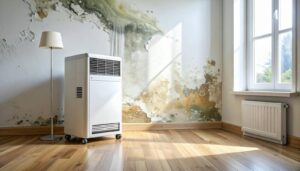
Drying out the affected areas thoroughly is vital to prevent further damage and mold growth after a burst pipe incident. Start by using effective drying techniques such as high-velocity fans and dehumidifiers.
Position the fans to create airflow across damp surfaces, which enhances evaporation. Dehumidifiers will help control moisture levels in the air, preventing the growth of mold and mildew.
Check for hidden moisture in walls, floors, and ceilings, as these areas can retain water. If necessary, remove baseboards or drywall to expose and dry hidden spaces.
For carpets and rugs, make sure they’re completely dry; otherwise, consider professional cleaning or replacement.
Monitor humidity levels regularly with a hygrometer to ensure proper moisture control.
It’s imperative to act swiftly; the longer you wait, the higher the risk of structural damage and health issues. Prioritize thorough drying to protect your home and maintain a safe living environment.
Check for Mold Growth and Address It
Even after thoroughly drying out the affected areas, it’s important to check for mold growth, which can develop quickly in damp environments.
Mold thrives in moisture, and if you overlook this step, you might face significant health risks, including respiratory issues and allergic reactions. Start by inspecting hidden areas like behind walls and under carpets where moisture may linger.
To promote mold prevention, ensure proper ventilation, and reduce humidity levels in your home. Use dehumidifiers and keep windows open when possible to circulate air.
If you spot mold, act fast; clean small patches with a mixture of water and detergent or consider using a commercial mold remover. For larger infestations, it’s often best to consult a professional.
Repair or Replace Damaged Materials
Once you’ve identified the extent of the damage caused by the burst pipe, you’ll need to decide whether to repair or replace the affected materials. Assess each item’s condition carefully; some materials may be salvageable with effective repair techniques, while others might need full replacement.
For instance, drywall and insulation can often be repaired if they’re not severely compromised, but flooring and structural elements may require complete replacement to ensure safety and integrity.
When considering material selection for repairs, choose durable, water-resistant options that fit your home’s aesthetic. This will help maintain a cohesive look while ensuring long-term performance.
Always weigh the cost of repairing versus replacing—sometimes, investing in new materials provides better value in the long run. By making informed choices, you’ll restore your space and enhance its resilience against future water damage.
Contact a Professional for Assistance
When dealing with the aftermath of a burst pipe, it’s vital to recognize when to seek professional help. If you’re facing extensive water damage or structural concerns, it’s wise to contact emergency services immediately. They can assess the situation, prevent further damage, and ensure your safety.
Professionals have the expertise to handle complex repairs and mitigate risks, such as mold growth, which can occur quickly in damp conditions.
Additionally, working with a professional can streamline insurance claims. They’ll document the damage thoroughly, providing the necessary evidence for your insurer. This documentation is key in confirming you receive the coverage needed for repairs.
Don’t hesitate to reach out for assistance. By enlisting experts, you protect your property and ease the stress of managing water damage. It’s a smart step towards restoring your home and reclaiming your peace of mind.
Frequently Asked Questions
What Are the Signs of a Burst Pipe?
You’ll notice signs of a burst pipe through water stains on walls or ceilings, dampness in unexpected areas, and increased water bills. Keep an eye out for pipe leaks, as they indicate potential issues.
How Long Does It Take for Water Damage to Show?
Water damage can show up within hours, like a surprise leak at a party. Using detection methods such as moisture meters, you can establish a water damage timeline, ensuring you act quickly to mitigate further issues.
Can I Use a Hairdryer to Dry Wet Areas?
Yes, you can use a hairdryer for effective drying, but prioritize hairdryer safety. Keep it on a low setting and maintain distance to avoid overheating surfaces. Make sure you’re not using it near standing water to prevent electrical hazards.
Is My Homeowner’s Insurance Likely to Cover This Damage?
Your homeowner’s insurance likely covers burst pipe damage, but review your policy for specifics. Understanding the claim process helps ensure you get the coverage you need.
What Should I Do if Mold Is Already Present?
If mold’s already present, start mold remediation immediately. Wear protective gear, isolate affected areas, and remove contaminated materials. Afterwards, implement preventative measures like proper ventilation and humidity control to stop future growth.
Conclusion
In the aftermath of a burst pipe, swift action is your best ally. By following these steps, you not only protect your home but also safeguard your peace of mind. Remember, every second counts when water is involved—don’t let the damage linger like an unwelcome guest. If the situation feels overwhelming, don’t hesitate to bring in professionals. They’ve got the expertise to restore your space, leaving you free to focus on what truly matters: your home and your life.