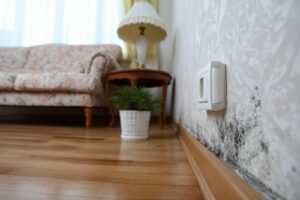

If you own a basement, you know how vital it is to keep it mold-free. Mold thrives in damp, dark spaces, making basements a prime target. By maintaining proper mold prevention and humidity levels, ensuring adequate ventilation, and inspecting for leaks, you can greatly reduce the risk of mold growth. Additionally, using mold-resistant materials and controlling indoor temperature will further enhance your prevention efforts. Curious about the specific steps you should take? Let’s explore these essential tips.
Key Takeaways
- Maintain humidity levels between 30% and 60% using dehumidifiers and moisture monitoring tools.
- Ensure proper ventilation by installing exhaust fans and opening windows when weather permits.
- Regularly inspect and repair plumbing leaks to prevent moisture accumulation in the basement.
- Utilize mold-resistant materials like mold-resistant paint and moisture barriers during renovations.
- Control indoor temperature by keeping it between 60°F and 70°F and sealing drafts.
Maintain Proper Humidity Levels
To prevent mold from taking hold in your basement, it’s important to maintain proper humidity levels. Aim for a humidity range of 30% to 60%. You can achieve this with humidity control measures like dehumidifiers or humidistats, which monitor moisture levels.
Regularly check for moisture sources, such as leaks from pipes, foundation cracks, or inadequate drainage, and address them promptly.
Also, consider using vapor barriers on walls and floors to reduce humidity. If your basement has windows, keep them closed during humid weather to minimize moisture entry.
Additionally, it’s wise to use exhaust fans if you run appliances that create humidity, like washers or dryers.
Ensure Adequate Ventilation
Maintaining proper humidity levels is just one part of preventing mold in your basement; ensuring adequate ventilation is equally important.
Good airflow management helps keep your basement dry and mold-free. Here are some practical tips to enhance your basement’s ventilation systems:
- Install exhaust fans to expel humid air quickly.
- Open windows when weather permits, allowing fresh air to circulate.
- Use dehumidifiers to complement your ventilation efforts.
- Consider air vents or ducts that connect to the home’s HVAC system.
- Regularly check and clean vents to ensure unobstructed airflow.
Inspect and Repair Plumbing Leaks
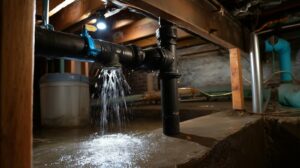
One of the most critical steps in mold prevention is regularly inspecting and repairing plumbing leaks. Start by examining all visible pipes, fittings, and connections for signs of moisture or water stains.
Even a small drip can lead to significant mold growth over time. Utilize leak detection tools, such as moisture meters or infrared cameras, to uncover hidden leaks behind walls or under floors.
Don’t forget to check appliances like washing machines and water heaters, as they can also be culprits. Implement a routine plumbing maintenance schedule, ensuring you address any issues promptly.
If you notice a leak, fix it as soon as possible, whether it’s a simple tightening or a more complex repair.
Use Mold-Resistant Materials
While it may seem like a minor detail, using mold-resistant materials can greatly enhance your basement’s defense against mold growth.
By incorporating these materials into your space, you’ll protect your home and create a healthier environment for your family.
Consider the following tips:
- Mold Resistant Paint: This specialized paint contains antimicrobial agents that inhibit mold growth.
- Moisture Barriers: Install vapor barriers on walls and floors to prevent moisture from penetrating.
- Mold-Resistant Drywall: Opt for green board or cement board, which resist moisture better than standard drywall.
- Water-Resistant Flooring: Choose vinyl, tile, or treated wood to reduce the risk of mold.
- Insulation: Use closed-cell spray foam insulation to create a barrier against moisture.
Install a Sump Pump
Installing a sump pump can be a game-changer for your basement’s moisture management. By choosing the right sump pump types, you can effectively eliminate water buildup and prevent mold growth.
The two main types are submersible and pedestal pumps. Submersible pumps sit in a sump pit and are ideal for large volumes of water, while pedestal pumps are positioned above the pit and are easier to maintain.
To keep your sump pump functioning efficiently, regular sump pump maintenance is essential. This includes checking the pump’s power supply, cleaning the sump pit, and testing the float switch.
You should also inspect the discharge line for any blockages. By investing in a quality sump pump and performing routine maintenance, you’ll create a dry, healthy environment in your basement, ensuring it remains a welcoming space for you and your loved ones.
Regularly Clean and Inspect the Basement
To maintain a mold-free environment in your basement, regularly cleaning and inspecting the space is crucial.
Establishing a consistent cleaning schedule will help you stay on top of potential mold growth, while an inspection checklist ensures you don’t overlook any problem areas.
Here are some key tasks to include in your routine:
- Dust surfaces to prevent spores from settling.
- Vacuum corners and behind appliances where moisture can accumulate.
- Check for leaks around pipes and walls to catch water issues early.
- Inspect storage items for signs of dampness or mold.
- Wipe down windows and vents to remove condensation buildup.
Control Indoor Temperature
To prevent mold growth in your basement, you need to maintain an ideal temperature range between 60°F and 70°F.
Using a thermostat effectively can help you monitor and adjust the temperature, keeping it consistent.
This simple step can make a significant difference in controlling moisture levels and protecting your space from mold.
Ideal Temperature Range
Maintaining an ideal temperature range in your basement is essential for mold prevention, as mold thrives in warm, damp environments. To keep your basement mold-free, focus on temperature monitoring and make seasonal adjustments as needed. Aim for a temperature between 60°F and 70°F (15°C to 21°C) to create an inhospitable environment for mold.
Here are some practical tips to help you maintain that range:
- Use a thermometer to regularly check the temperature.
- Seal any drafts and gaps to reduce temperature fluctuations.
- Insulate pipes to prevent condensation.
- Utilize fans to circulate air during warmer months.
- Consider a dehumidifier if humidity levels rise.
With these strategies, you’ll foster a healthier, mold-free space in your basement.
Use Thermostats Effectively
Keeping your basement at the right temperature is just the beginning; using thermostats effectively can make a significant difference in controlling indoor temperature.
Start by confirming proper thermostat placement. Ideally, it should be located away from drafts and direct sunlight to provide accurate readings.
Next, take advantage of programmable settings. You can set the thermostat to maintain a consistent temperature during the day and lower it at night or when you’re away. This helps in mold prevention and saves on energy bills.
Regularly check and calibrate your thermostat to verify it’s working correctly.
Final Thoughts
By following these tips, you can transform your basement into a dry, healthy space, free from the lurking threat of mold. Picture a cool, inviting room where you can store your belongings without worry, where fresh air flows freely, and the musty smell of dampness is replaced by a clean, crisp aroma. Keep your humidity in check, ventilate wisely, and choose mold-resistant materials, and you’ll create an environment that protects both your home and your peace of mind.