Post-Flood Home Cleanup requires a careful and organized approach to protect your property and reduce long-term damage. Before entering the affected area, check for electrical hazards, structural concerns, and contamination risks, then use appropriate protective equipment during cleanup. Remove standing water, dry the space thoroughly, and remove saturated materials such as damaged drywall, carpet, and insulation before mold growth begins. Clean and disinfect remaining surfaces using proper methods, and recognize when professional restoration support is needed to handle extensive damage safely and effectively. The right next steps can make a significant difference in your recovery process.
Key Takeaways
- Check for structural hazards, gas smells, and exposed wiring before entering; evacuate if anything feels unsafe.
- Document damage with photos, then remove standing water quickly using pumps, wet vacs, fans, and dehumidifiers.
- Tear out wet drywall, insulation, carpet, and padding promptly to prevent mold growth.
- Clean remaining surfaces with hot water, detergent, and disinfectant, focusing on corners and hidden residue.
- Call flood cleanup professionals for sewage, electrical damage, hidden moisture, mold, or severely compromised structures.
Check the Damage and Stay Safe First
Before you step inside, check for immediate hazards and make sure the structure is safe. You need a clear damage assessment before you touch anything else.
Look for sagging ceilings, cracked walls, warped floors, broken glass, gas odors, and exposed wiring. If you smell gas or hear hissing, leave and call emergency services.
Wear sturdy boots, gloves, and a respirator if dust or mold is present. Turn off electricity only if you can reach the panel without standing in water.
Photograph each room so you document losses for insurance. Keep children and pets out until you’ve confirmed safety precautions are in place.
Work methodically, room by room, and trust your instincts if something feels unstable. Your first job is protecting yourself and your household.
Remove Standing Water and Dry the Area Fast
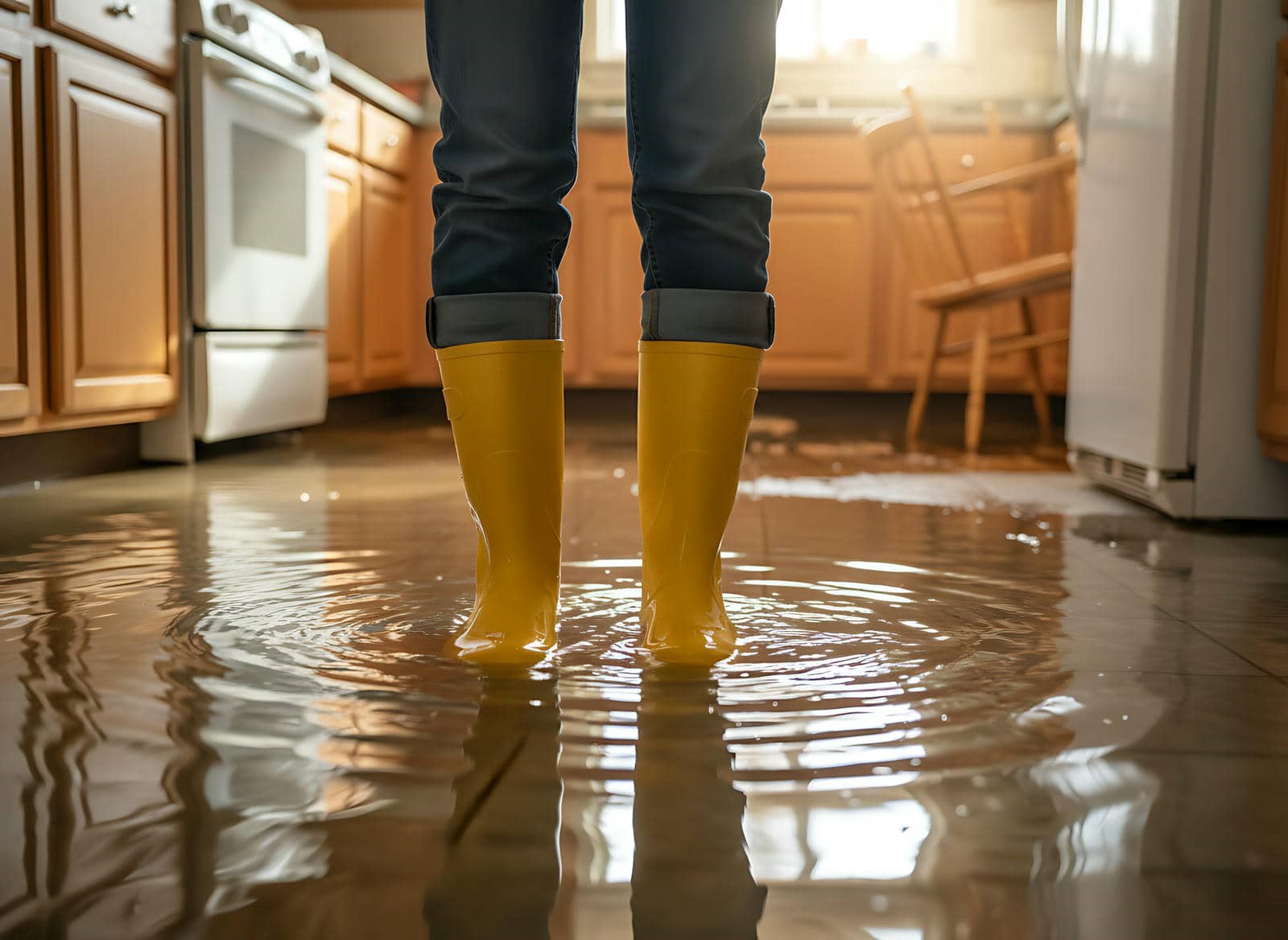
Pump out or mop up standing water as soon as it’s safe to enter, because the longer moisture lingers, the more damage and mold you’ll face.
Use water extraction tools, wet vacs, or a sump pump to clear floors, then open windows, run fans, and dehumidifiers to drive down humidity.
Focus drying techniques on walls, subfloors, and hidden corners where moisture settles. Keep air moving continuously and check damp spots with your hand or a moisture meter.
If you’re working with family, split tasks so no area gets missed and everyone stays efficient. Replace soaked towels or filters as needed, and empty collected water often.
Fast, steady drying helps you protect your home, restore order, and move forward together with confidence.
Tear Out Wet Materials Before Mold Grows
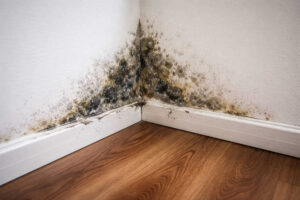
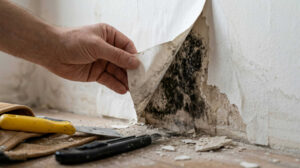
Rip out any wet drywall, insulation, carpet, padding, and other porous materials that stayed saturated, because they can start growing mold quickly and rarely dry out fully. You’ll protect your home by removing these items before hidden colonies spread through framing and finishes.
Cut sections into manageable pieces, bag them promptly, and follow local material disposal rules so contaminated debris doesn’t sit indoors or on the curb. Wear gloves, eye protection, and an N95 respirator while you work.
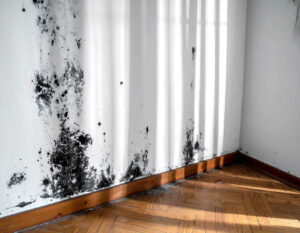
Keep your removal line clean and move steadily, so the area stays controlled. For strong mold prevention, don’t wait for musty odors or visible spotting; if the material was soaked for hours, tear it out now.
Your quick action helps your household recover safer, faster, and together.
Sanitize Flooded Surfaces Thoroughly
Once the wet drywall, carpet, and insulation are out, clean every remaining flooded surface so dirt, sewage residue, and flood contaminants don’t stay behind.
Wash hard surface materials with hot water and a heavy-duty detergent first. Then apply sanitizing techniques matched to the material: use a bleach solution on nonporous areas, but follow label directions and keep the space ventilated.
Scrub seams, corners, trim, and fasteners where residue hides. Rinse surfaces if the product requires it, then let them dry completely.
Replace wash water often so you’re not spreading contamination back across the room. Wear gloves and eye protection, and keep clean tools separate from dirty ones.
When you sanitize methodically, you protect your home and help your household move forward together.
Know When to Call Flood Cleanup Pros
If floodwater reached your electrical system, HVAC equipment, structural framing, or sewage-contaminated areas, you should call a qualified flood cleanup professional right away.
You can handle minor surface drying, but hidden moisture, mold, and compromised wiring need specialized inspection. Pros bring moisture meters, air movers, dehumidifiers, and disinfectants that most homeowners don’t have. They also document losses, which helps with flood insurance claims and may speed reimbursement.
If you smell sewage, see warped walls, or notice sagging ceilings, stop work and protect your household. A trained team can isolate hazards, remove damaged materials, and verify the home is safe to reenter.
When your cleanup exceeds basic wiping and drying, trust the people who do this work every day.
Frequently Asked Questions
How Do I Document Flood Damage for Insurance Claims?
Photograph every damaged area, list affected items, note dates, and save receipts; you’ll build strong insurance documentation. Complete a detailed damage assessment, include serial numbers, and back up files so your claim feels complete.
Can I Use Fans Before Electricity Is Restored?
No—you shouldn’t use fans before power’s restored. In one flooded basement, a homeowner used a generator-powered fan and triggered a shock hazard. Wait for safe electricity, then improve air circulation with proper fan safety.
What Should I Do With Contaminated Food After Flooding?
You should discard all contaminated food after flooding. For food safety, keep nothing exposed to floodwater. Use sealed disposal methods: bag items, label them, and follow local waste guidance to protect your household.
How Do I Clean Floodwater From Appliances Safely?
You’ll treat floodwater like a lurking beast: unplug appliances, remove standing water, then dry and sanitize all surfaces. Follow appliance safety steps, check cords, and test each unit before use.
Should I Replace My HVAC Filters After a Flood?
Yes, you should replace your HVAC filters after a flood. You’ll protect airflow, reduce contamination, and support HVAC maintenance. If water reached the unit or ducts, schedule inspection and filter replacement before restarting the system.
Final Thoughts
After a flood, you need to move quickly and safely. Check for hazards first, then remove standing water and dry the area as fast as possible. Tear out soaked materials before mold can spread, and sanitize hard surfaces with hot water and bleach. If damage is extensive or moisture is hidden, call flood cleanup pros. Acting fast helps you protect your home and your health, and it keeps recovery on track, like a well-run repair plan.