
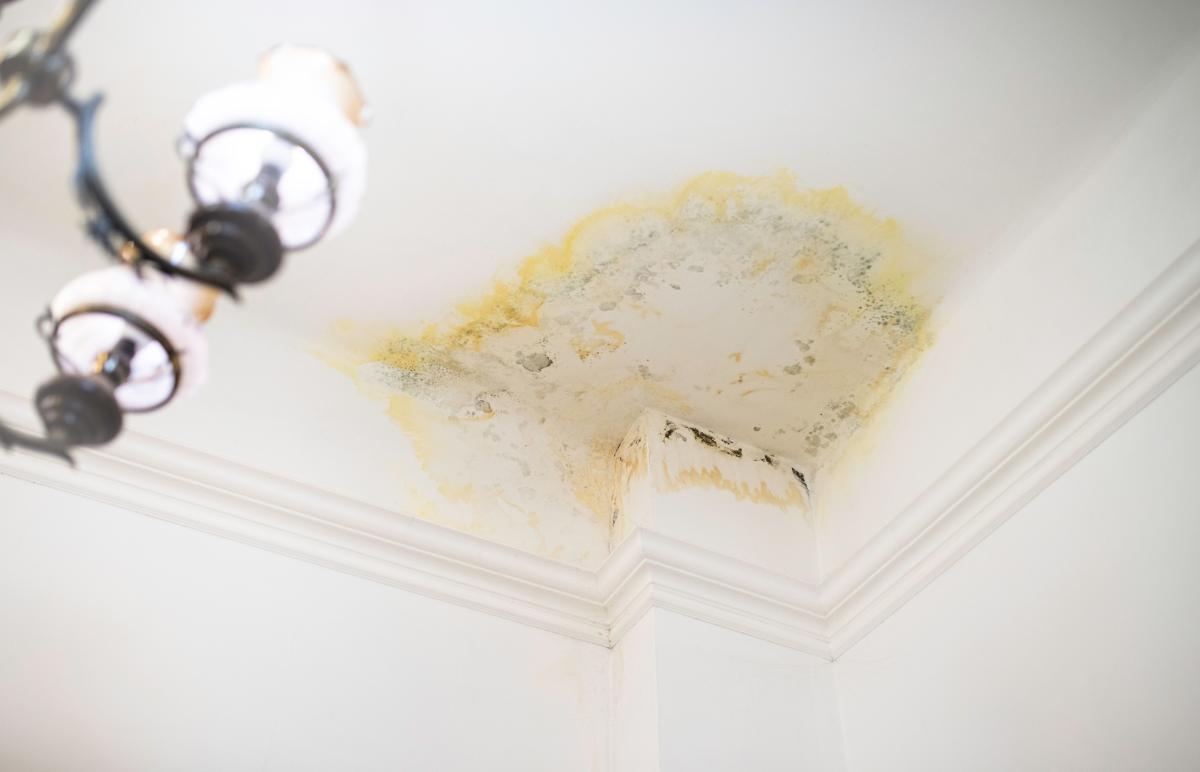
Did you know that ignoring ceiling water damage cleanup can lead to costly repairs down the line? It’s essential to act quickly and effectively to minimize the impact on your home. With a few affordable strategies, you can tackle the cleanup and prevent future issues. From evaluating the damage to making smart material choices, there’s a lot to take into account. Let’s explore how you can efficiently manage this problem without breaking the bank.
Key Takeaways
- Assess the damage early by inspecting for water stains, sagging ceilings, and leaks around plumbing or windows.
- Utilize DIY cleanup techniques, such as using fans, dehumidifiers, and vinegar solutions for mold removal.
- Choose cost-effective materials like plywood or moisture-resistant drywall for repairs without exceeding your budget.
- Hire local professionals wisely by comparing reviews, quotes, and feedback to ensure quality and affordability.
- Prevent future water damage by inspecting plumbing regularly, waterproofing areas, and maintaining proper ventilation and gutter systems.
Assess the Damage Early
When you notice water stains or sagging in your ceiling, addressing the issue promptly can save you time and money down the line.
Start with a thorough damage inspection. Look for discoloration, peeling paint, or bubbling in the drywall. These signs indicate potential water intrusion that shouldn’t be ignored. Early detection is vital; the sooner you identify the source, the less damage you’ll face.
Check areas near plumbing fixtures, roofs, or windows for leaks. If you can access your attic, inspect it for signs of moisture or mold, as these can be indicators of a larger problem.
Don’t hesitate to reach out to a professional if you’re unsure about what you find. Remember, taking proactive steps now can foster a sense of security in your home.
Utilize DIY Cleanup Techniques
While you might feel overwhelmed by the prospect of cleaning up water damage, utilizing DIY techniques can make the process manageable and cost-effective. Start by gathering essential cleaning supplies like buckets, sponges, and a mixture of water and mild detergent. This simple solution can help you wipe down affected areas, ensuring you remove any residual moisture.
To prevent mold growth, dry out the space thoroughly after cleanup. Use fans and dehumidifiers to improve ventilation. You can also create a vinegar solution to tackle any stubborn mold, applying it directly to the affected spots.
Don’t forget to check for hidden moisture in walls or ceilings, as it can lead to future problems. By taking these steps, you’ll save money, protect your home, and create a safer environment for you and your loved ones.
Embrace the challenge—you’ve got this!
Choose Cost-Effective Materials
Choosing cost-effective materials is essential for successful ceiling water damage cleanup.
By opting for budget-friendly options, you can save money while ensuring your ceiling repairs are effective and long-lasting.
Here are some durable alternatives to evaluate:
- Plywood: A versatile and affordable choice, plywood can be used for temporary repairs and is easy to paint or finish.
- Vinyl Ceiling Tiles: These tiles are inexpensive, water-resistant, and come in various designs, making them a stylish yet practical option.
- Paintable Ceiling Panels: Lightweight and inexpensive, these panels can be painted to match your decor, providing a fresh look without breaking the bank.
- Moisture-Resistant Drywall: Specifically designed to withstand humidity, this drywall is a reliable choice for preventing future water damage.
Hire Local Professionals Wisely
Hiring local professionals wisely can make all the difference in your ceiling water damage cleanup.
Start by checking local contractor reviews to gauge their reputation. You’ll want someone with a proven track record, as this ensures you’re hiring someone who talks a good game and can deliver results.
Next, conduct a service comparison among a few contractors. Look at their pricing, services offered, and customer feedback.
Don’t hesitate to ask for quotes and inquire about their experience with similar projects. This way, you can feel confident that you’re making an informed choice.
Prevent Future Water Damage
To prevent future water damage, it’s essential to regularly inspect your home for vulnerabilities.
Start by addressing potential issues before they escalate. Here are four practical tips to help you safeguard your space:
- Check for Leaks: Regularly inspect pipes, faucets, and roofs for any signs of leaks. Fixing them early can save you from costly repairs later.
- Install Waterproofing Solutions: Consider adding waterproofing solutions in basements and around windows to keep moisture at bay.
- Control Humidity: Use dehumidifiers in damp areas and ensure proper ventilation to maintain balanced humidity levels.
- Clear Gutters and Drains: Regularly clean your gutters and downspouts to prevent water buildup that can seep into your home.
Review
Tackling ceiling water damage doesn’t have to break the bank. By evaluating the damage early, utilizing DIY techniques, and choosing cost-effective materials, you can effectively manage repairs. Remember, taking preventative steps, like regular inspections, can save you from future headaches. Stay proactive and keep your home safe from water damage!