Water damage can be a real nuisance, but with prompt action, you can minimize its aftermath. It’s vital to act quickly to remove excess moisture and create a dry environment. Ensuring proper ventilation is just as important to prevent mold growth. You might also want to take into account using mold-resistant products to safeguard your space. These steps can make a significant difference, but there’s more to the process you should know.
Key Takeaways
- Act quickly to remove excess water using a wet/dry vacuum and dehumidifiers to prevent mold growth.
- Ensure proper ventilation by opening windows and using fans to promote airflow in damp areas.
- Use mold-resistant products, such as paints and cleaning solutions, to inhibit mold growth.
- Focus on thoroughly drying carpets, walls, and furniture, checking for moisture or mold signs regularly.
- Monitor indoor humidity levels with a hygrometer, keeping them consistently below 60% to prevent mold.
Act Quickly to Remove Excess Water
When water damage occurs, acting quickly to remove excess water is essential to prevent mold growth.
Start with effective water extraction methods. Use a wet/dry vacuum to remove standing water, ensuring you tackle visible pools first. If the area is extensive, consider renting specialized water extraction equipment for a more thorough job.
Once you’ve removed the majority of the water, employ appropriate drying techniques. Dehumidifiers and fans can greatly accelerate drying, helping to lower humidity levels and dry affected surfaces.
Focus on areas like carpets, walls, and furniture, as they can harbor moisture.
Don’t forget to monitor moisture levels with a hygrometer; keeping the indoor humidity below 60% is critical.
Ensure Proper Ventilation and Airflow
To prevent mold growth after water damage, ensuring proper ventilation and airflow is essential. Start by opening windows and doors to enhance air circulation. This helps replace moist air with drier air from outside, considerably lowering humidity levels.
Utilize fans to promote airflow, especially in areas that are prone to dampness, like basements or bathrooms. Consider using dehumidifiers to maintain consistent humidity control, keeping levels below 60%.
Regularly check and clean HVAC systems to ensure efficient air distribution throughout your space. If possible, create cross-ventilation by positioning fans or vents strategically to foster an even airflow.
Don’t forget to inspect your home for any obstructions that could hinder airflow, such as furniture or heavy drapes.
Use Mold-Resistant Products and Treatments
After ensuring proper ventilation and airflow, consider incorporating mold-resistant products and treatments into your restoration efforts.
Using mold-resistant paints can greatly reduce the chances of mold growth. These specialized paints contain antimicrobial agents that inhibit mold and mildew, making them an excellent choice for damp areas like bathrooms and basements.
Additionally, you can use mold inhibitors in your cleaning solutions and materials. These treatments work by preventing mold spores from settling and thriving on surfaces.
When selecting products, look for those specifically labeled as mold-resistant, ensuring they meet industry standards for effectiveness.
Frequently Asked Questions
How Long Does It Take for Mold to Start Growing After Water Damage?
Mold can start growing within 24 to 48 hours after water damage, depending on factors like temperature, humidity, and material type. Understanding this mold growth timeline helps you take timely action to prevent infestations.
Can I Use Bleach to Kill Mold After Water Damage?
You can use bleach for mold removal, but its effectiveness is often overstated. It might not penetrate porous surfaces well, allowing mold to resurface. Consider more thorough treatments for lasting results and safety.
What Are the Health Risks Associated With Mold Exposure?
Mold exposure can lead to various health risks, including mold symptoms like coughing, sneezing, and skin irritation. You might also experience respiratory issues, which can worsen if you have pre-existing conditions like asthma or allergies.
Should I Hire a Professional for Mold Remediation?
Yes, you should hire a professional for mold remediation. They’ll perform a thorough mold assessment and ensure the remediation process follows industry standards, helping you effectively eliminate mold and safeguard your health and environment.
How Can I Tell if Mold Is Hidden Behind Walls?
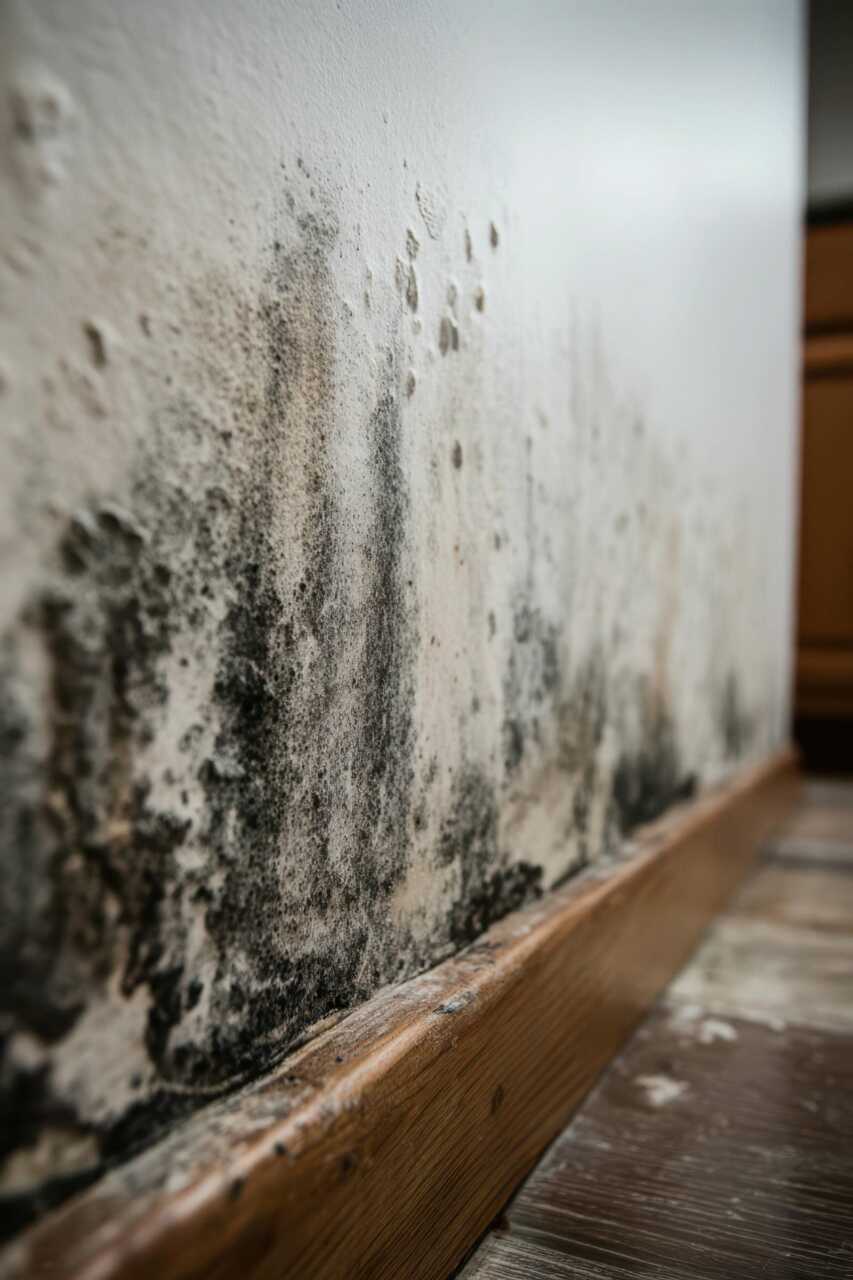
To identify hidden mold, conduct a thorough wall inspection. Look for discoloration, warping, or a musty odor. Using a moisture meter can also help detect elevated humidity levels behind walls, indicating potential mold growth.
Recap
By acting swiftly to remove excess water, ensuring proper ventilation, and using mold-resistant products, you can greatly reduce the risk of mold growth after water damage. Remember, mold can begin to develop within just 24 to 48 hours of water exposure, which emphasizes the importance of prompt action. Protect your home and health. Stay vigilant and proactive to maintain a safe, mold-free environment.