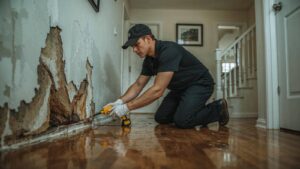

You might find it interesting that many property owners overlook critical steps in flood damage evaluation. Without a systematic approach, hidden issues can linger, leading to costly repairs down the line. By incorporating thorough visual inspections, advanced moisture detection tools, and detailed documentation, you can greatly enhance your assessment process. Understanding how these best practices interconnect is essential for effective remediation and ensuring long-term safety. What specific methods will you implement first?
Key Takeaways
- Conduct a thorough visual inspection to identify immediate and subtle signs of flood damage, documenting areas needing urgent attention.
- Utilize advanced moisture detection tools like moisture meters and thermal imaging cameras to uncover hidden water damage.
- Create detailed reports documenting findings, including descriptions of damage extent, structural integrity, and photographic evidence.
- Follow safety protocols during inspections by wearing protective gear and ensuring structural stability before entry.
- Engage with the community to share insights, resources, and promote awareness of flood safety and prevention strategies.
Conduct a Thorough Visual Inspection
When evaluating flood damage, conducting a thorough visual inspection is essential, as it allows you to identify both immediate and subtle signs of impact.
Start by following an inspection checklist to ensure you cover all critical areas, including walls, floors, and ceilings. Look for discoloration, warping, or mold, which can indicate moisture issues. Remember to prioritize safety protocols; wear protective gear and confirm the stability of the structure before entering.
As you assess the property, take detailed notes of your findings, including the extent of damage and areas needing urgent attention.
This meticulous approach helps you understand the scope of the damage and fosters a sense of community as you share insights with others facing similar challenges.
Utilize Advanced Moisture Detection Tools
After completing a visual inspection, it’s time to leverage advanced moisture detection tools to gain a deeper understanding of hidden water damage. These tools, such as moisture meters and thermal imaging cameras, enable you to identify areas with excess moisture that may not be visible to the naked eye.
By employing moisture mapping techniques, you can create a thorough overview of affected areas, allowing for targeted remediation efforts.
Detection technology plays an essential role in accurately evaluating damage, as it helps pinpoint moisture intrusion in walls, ceilings, and flooring. Using these advanced tools, you can track moisture levels over time, ensuring that any lingering issues are addressed promptly.
This proactive approach prevents further damage and fosters a sense of community among professionals dedicated to restoring safety and comfort in affected spaces. Embracing these technologies will elevate your flood damage evaluation process considerably.
Document Findings With Detailed Reports
A thorough documentation process is critical for effective flood damage evaluation. By creating detailed documentation, you ensure that all findings are accurately recorded and easily accessible for future reference.
Following established assessment protocols helps maintain consistency and reliability in your evaluations. Here are three key components to include in your reports:
Comprehensive Descriptions: Clearly outline the extent of damage, including affected areas and structural integrity.
Photographic Evidence: Include before-and-after images to visually support your findings, making it easier to convey the severity of the damage.
Condition Assessments: Document the current state of materials and systems, noting any potential risks or necessary remediation.
Frequently Asked Questions
What Are Common Signs of Hidden Water Damage?
You’ll notice common signs of hidden water damage, like water stains on walls or ceilings, and musty odors in your home. These indicators suggest moisture issues that require immediate investigation to prevent further damage.
How Long Does Flood Damage Evaluation Typically Take?
You’re looking at a flood assessment timeline that usually takes a few hours to several days. Evaluation factors like the extent of damage, property size, and accessibility all play a critical role in determining duration.
Should I Hire a Professional for Evaluation?
Yes, you should hire a professional for evaluation. A professional assessment provides an accurate damage report, ensuring you understand the extent of the damage and guiding you through necessary repairs and insurance claims effectively.
What Should I Do Immediately After a Flood?
Immediately after a flood, prioritize safety measures. Check for hazards, avoid contaminated water, and evacuate if necessary. Follow emergency response protocols, stay informed through local alerts, and document damages for future assessments. Your safety’s essential.
How Can I Prevent Future Flood Damage?
You can prevent future flood damage by investing in flood insurance and improving your drainage systems. Regular maintenance and upgrades help reduce risks, ensuring your property remains safe and secure in the face of potential flooding.
Conclusion
In the aftermath of a flood, think of your assessment as a careful gardener tending to a fragile ecosystem. By conducting thorough visual inspections, you uncover hidden vulnerabilities, much like revealing roots beneath the soil. Utilizing advanced moisture detection tools acts as your watering can, ensuring no hidden dampness lingers. Finally, your detailed reports serve as a map, guiding future restoration efforts. Together, these practices cultivate resilience, nurturing a safer environment that can withstand nature’s unpredictable storms.