
When a hurricane strikes, the aftermath can feel overwhelming, especially with potential damage restoration and mold lurking in damp areas. It’s essential to assess and document the damage right away, ensuring you have a thorough record for your insurance claim. But simply noting the destruction isn’t enough; understanding effective mold remediation strategies is critical. As you navigate this process, consider the preventative measures that can safeguard your home from future storms. What steps should you take next?
Damage Restoration: Key Takeaways
- Thoroughly assess property damage by documenting visible destruction to support insurance claims with detailed photographs and lists.
- Identify and eliminate moisture sources to prevent mold growth, using vinegar to kill mold spores effectively.
- Ventilate affected areas and use fans and dehumidifiers to dry out spaces after hurricane damage.
- Create an emergency plan and invest in storm shutters and flood insurance to protect against future hurricanes.
- Regularly inspect your property for leaks or cracks, making timely repairs to prevent mold and structural damage.
Assessing and Documenting Damage
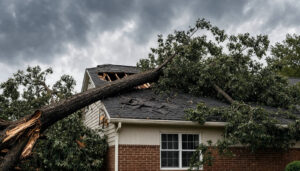
As you step into the aftermath of a hurricane, it’s crucial to carefully assess and document the damage to your property.
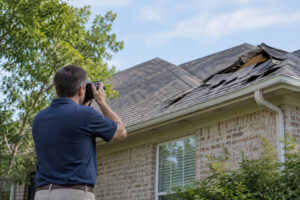
Start by walking through each room, noting any visible signs of destruction such as broken windows, water stains, or structural issues. Use your smartphone or camera to take clear photos; these will be invaluable for insurance documentation.
Be thorough in your damage assessment, listing everything from minor inconveniences to major repairs.
This helps you understand the full extent of the loss and strengthens your claim when negotiating with your insurance company.
Effective Mold Remediation Strategies
While you might be focused on repairing visible damage, it’s essential to address mold growth promptly to prevent further health risks and property deterioration. Effective mold removal starts with identifying the source of moisture and eliminating it. Then, use appropriate protective gear while cleaning the affected areas.
Here’s a simple strategy table to guide you:
| Step | Action | Purpose |
|---|---|---|
| Identify | Check for dampness | Locate mold sources |
| Remove | Use a mixture of vinegar | Kill mold spores |
| Ventilate | Open windows and doors | Improve air quality |
| Dry | Use fans and dehumidifiers | Prevent future mold growth |
| Inspect | Monitor regularly | verify mold doesn’t return |
Preventative Measures for Future Incidents
To safeguard your property against future hurricane damage, it’s essential to implement proactive measures that address vulnerabilities before they become costly issues.
Start by investing time in hurricane preparedness. Create an emergency plan for your family, ensuring everyone knows evacuation routes and safety protocols. Reinforce your home with storm shutters and secure roof ties to withstand high winds.
Additionally, review your home insurance policy. Verify it covers hurricane-related damages and consider adding flood insurance if you live in a vulnerable area. Regularly inspect your property for potential weak spots, like leaks or cracks, and repair them promptly.
Join local community preparedness programs; building connections can provide valuable resources and support during emergencies.
Summary
Tackling hurricane damage and preventing mold growth is essential for your property’s safety. By promptly evaluating damage, effectively remediating mold, and implementing preventative measures, you’re protecting your home and safeguarding your health. Stay proactive, and remember that your efforts today can make a significant difference tomorrow.