
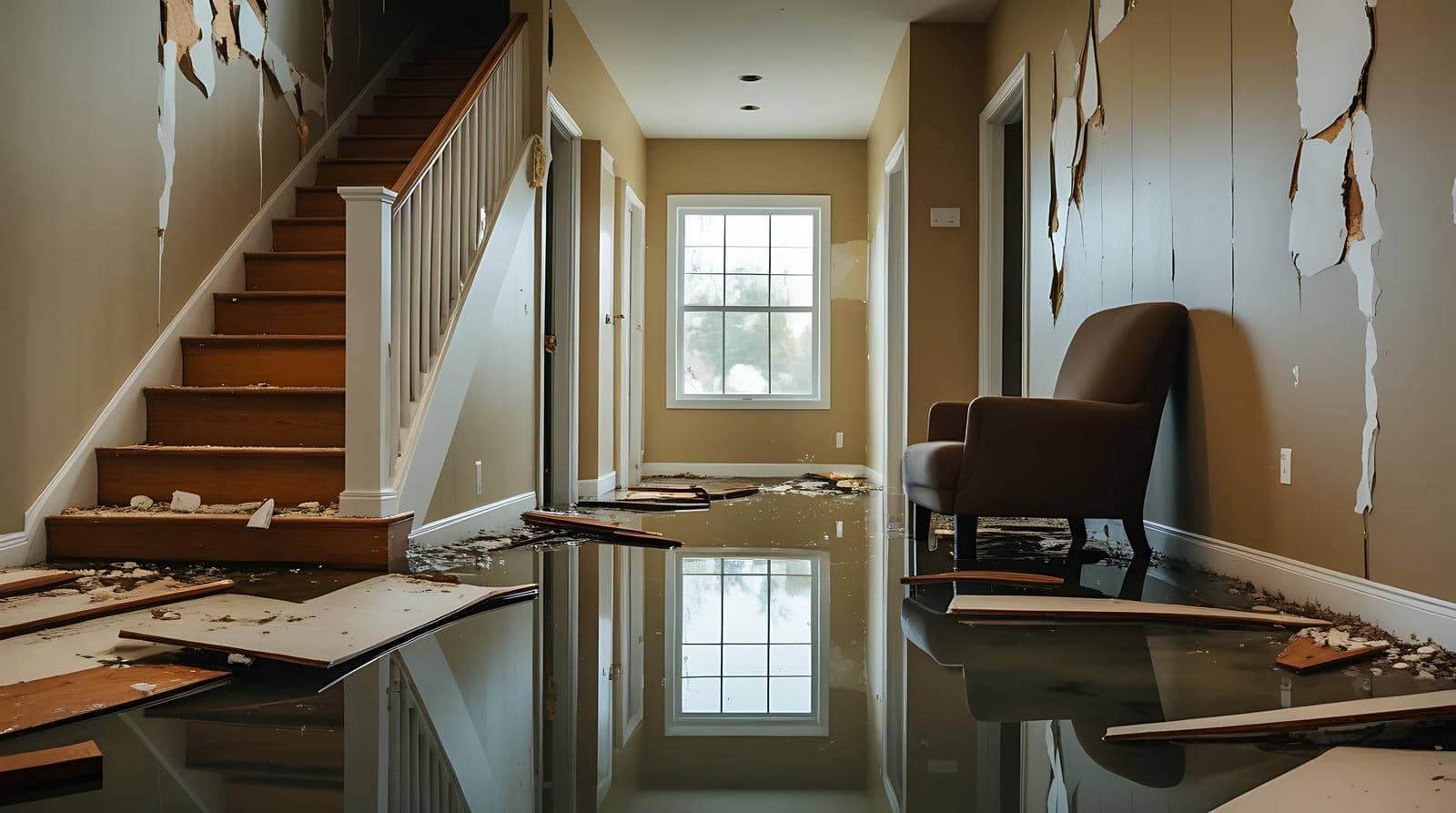
When evaluating post-storm damage, it’s essential to approach the situation methodically. You’ll need to establish a detailed plan that outlines clear protocols and roles for your team. By conducting a preliminary visual inspection, you can pinpoint immediate hazards. However, the real challenge lies in thorough documentation and accurate evaluation of structural integrity and health risks. As you consider these factors, you’ll uncover strategies that may greatly influence recovery efforts.
Key Takeaways
- Implement a structured damage assessment plan with defined roles, checklists, and communication strategies to ensure efficient evaluations.
- Conduct thorough preliminary visual inspections to identify hazards and document visible damage for further analysis.
- Utilize high-quality documentation methods, including photos and precise location coordinates, to support recovery efforts and insurance claims.
- Perform careful assessments of structural integrity and health hazards to prioritize safety and guide remediation efforts.
- Engage with local stakeholders throughout the assessment process to foster community involvement and enhance trust in recovery efforts.
Develop a Comprehensive Damage Assessment Plan
When you develop a thorough damage assessment plan, you ensure that every aspect of the post-storm evaluation is systematic and detailed.
Start by outlining your damage assessment protocols. These should clearly define the roles of team members and the steps to follow, ensuring everyone understands their responsibilities. Incorporate standardized forms and checklists to maintain consistency in data collection, making it easier to compare findings later.
Next, focus on your communication strategies. Establish a reliable method for relaying information among team members and with stakeholders. This could involve regular updates through emails or a dedicated group chat, promoting transparency and fostering a sense of community.
Conduct a Preliminary Visual Inspection
As you begin the preliminary visual inspection, focus on identifying visible hazards that could pose risks to safety or further impede assessment efforts.
It’s essential to document the affected areas thoroughly, noting any damage to structures, utilities, and the surrounding environment.
This initial evaluation sets the foundation for a more detailed analysis and recovery planning.
Identify Visible Hazards
How can you quickly assess the impact of a storm on your property? Start with hazard identification by conducting a thorough visual inspection.
Look for downed power lines, unstable trees, or debris that could pose risks. Evaluate the integrity of structures, including roofs and walls; any visible cracks or bulges could indicate serious issues.
Don’t forget to check for hazardous materials, like spilled chemicals or broken glass. As you assess, prioritize safety precautions—always wear protective gear and keep a safe distance from potential hazards.
Document your findings mentally or on paper for further analysis. By methodically identifying these visible hazards, you protect yourself and contribute to a safer community response.
Document Affected Areas
A thorough documentation of affected areas is crucial in understanding the storm’s impact on your property.
Begin with a preliminary visual inspection, noting all visible damage. Use assessment tools like cameras or smartphones to capture clear images of affected structures, landscaping, and any debris.
Make sure you document specific details, such as measurements and material types, to create extensive damage documentation. This meticulous approach helps you understand the extent of the damage and prepares you for insurance claims and repairs.
Remember, the accuracy of your documentation can greatly influence your recovery process.
Document All Affected Areas
When documenting all affected areas, you should prioritize capturing high-quality photos that clearly illustrate the damage.
It’s crucial to note specific types of damage, as this will aid in evaluating the severity and necessary repairs.
Additionally, recording the recording location coordinates will provide accurate references for future evaluations and support resource allocation.
Use High-Quality Photos
Utilizing high-quality photos for damage assessment is essential to ensure thorough documentation of all affected areas.
When you capture these images, consider the following:
Photo Quality: Use a high-resolution camera to ensure clarity in details.
Image Angles: Take multiple angles of each damaged area to provide context and depth.
Lighting Conditions: Shoot in natural light when possible to avoid shadows that obscure damage.
Wide Shots vs. Close-Ups: Balance your shots; wide images show the overall impact, while close-ups reveal specific issues.
Note Specific Damage Types
Thorough documentation of specific damage types is essential for an effective post-storm assessment. Start by noting roof damage, as missing shingles or leaks can lead to further issues.
Next, assess flood damage, which might compromise both structural integrity and safety. Don’t overlook wind damage; downed trees or broken fences should be recorded.
Conduct a debris assessment to identify hazards that could impede recovery efforts. Be vigilant about electrical hazards, as exposed wiring can pose serious risks.
Plumbing issues, like burst pipes, also require attention. Finally, document landscaping damage and any interior damage, including mold or water stains.
This methodical approach ensures you capture all critical details, fostering a sense of community support and shared responsibility in recovery efforts.
Record Location Coordinates
Accurate location coordinates are essential for documenting all affected areas during a post-storm damage assessment. By employing effective location tracking and GPS mapping, you can create a thorough record that assists in recovery efforts.
Here are key steps to follow:
- Use GPS devices to capture precise coordinates of damaged structures.
- Document coordinates for critical infrastructure, such as roads and utilities.
- Map affected areas to visualize the extent of damage.
- Share your findings with local agencies to foster community response.
Utilize Professional Mold Assessment Tools
While evaluating post-storm damage, you can’t overlook the importance of employing professional mold assessment tools. These tools are essential for accurate mold detection techniques that help identify hidden infestations.
Begin with air quality assessments, which can reveal elevated mold spore levels in your environment. Using devices like moisture meters and thermal imaging cameras allows you to pinpoint areas where water may have infiltrated, creating ideal conditions for mold growth.
Incorporating professional-grade air sampling equipment can further enhance your analysis, providing a clear picture of the indoor air quality. This method detects existing mold and helps predict potential future issues.
Assess Water Intrusion Points
To effectively assess water intrusion points, you need to identify the locations where water may have entered your structure.
Begin by thoroughly inspecting exterior surfaces, including roofs, walls, and foundations, for potential entry points.
After pinpointing these areas, evaluate the structural integrity to determine the extent of damage and necessary repairs.
Identify Entry Locations
How can you effectively pinpoint where water has intruded into a structure after a storm? Identifying entry locations is essential for a thorough damage assessment.
Start by examining potential access routes where water might’ve entered. Here’s how:
Inspect Roofs: Look for damaged shingles or debris that could lead to leaks.
Check Windows and Doors: Pay attention to gaps or seals that may have failed.
Evaluate Foundations: Watch for cracks or settling that can create entry points.
Assess Exterior Walls: Look for signs of water staining or peeling paint.
Inspect Structural Integrity
After identifying entry points, it’s crucial to inspect the structural integrity of the affected areas to assess the extent of water intrusion.
Begin with a thorough foundation inspection, looking for cracks, shifting, or other signs of damage. These indicators can reveal how water has penetrated your home and compromised its stability.
Next, conduct a load-bearing assessment to ensure that critical support structures remain intact. Check beams, columns, and joists for signs of rot or warping, which can lead to further issues if overlooked.
Document your findings meticulously; this helps with your repair planning and fosters a sense of community by sharing knowledge with neighbors facing similar challenges.
Evaluate Structural Integrity
As you begin to evaluate structural integrity following a storm, it’s essential to systematically inspect both the exterior and interior of the building for signs of damage.
Focus on the following key areas:
Load-bearing Walls: Check for cracks or shifts that could indicate compromise.
Roof Condition: Look for sagging, missing shingles, or leaks that affect structural materials.
Foundation Stability: Inspect for cracks, settling, or water pooling that may weaken the structure.
Windows and Doors: Verify frames are intact and operable; misalignments can signal deeper issues.
These assessments help you understand how well the building can withstand additional stress.
By thoroughly examining these critical components, you can determine if immediate repairs are necessary, fostering a sense of security and community resilience.
Identify Potential Health Hazards
While evaluating post-storm damage, it’s crucial to identify potential health hazards that may arise from the aftermath. Start by checking for toxic materials, such as mold and asbestos, which can exacerbate respiratory issues.
Water damage often leads to mold growth, so inspect damp areas thoroughly. Look for fallen debris that might contain hazardous substances, and be cautious when handling any materials that appear damaged or discolored.
Next, consider air quality. Even if you can’t see hazards, dust and particles may still be present, leading to long-term health effects. If you notice any unusual odors or irritants in the air, it’s a sign to take precautions.
Lastly, keep an eye on your community. Local resources may provide additional guidance on identifying specific hazards in your area, ensuring you’re not alone in this assessment.
Implement Air Quality Testing
To ensure a safe living environment after a storm, air quality testing is essential.
After a storm, you may face various health risks from contaminants in the air. Here are four critical aspects to evaluate:
Identify Pollutants: Testing can detect harmful substances like mold spores, volatile organic compounds, and particulate matter.
Assess Vulnerable Groups: Children, the elderly, and those with pre-existing conditions are more susceptible to air quality issues.
Monitor Long-term Effects: Consistent testing helps track air quality changes over time, ensuring ongoing safety.
Create a Response Plan: Understanding air quality allows you to prioritize remediation efforts effectively, focusing on areas with the highest risks.
Prioritize Remediation Efforts
After evaluating air quality, you’ll need to prioritize remediation efforts based on the severity of contamination and the specific risks posed to vulnerable populations.
Start with a thorough risk assessment to identify areas requiring immediate attention. Consider factors like proximity to schools, hospitals, and elderly care facilities, as these locations house individuals who may be more susceptible to health issues.
Next, allocate your resources strategically. Focus on the most contaminated sites first, ensuring that remediation efforts effectively reduce exposure risks. This methodical approach protects public health and strengthens community trust in your efforts.
Regularly reassess the situation as you implement your plan, adapting strategies as necessary. Engaging local stakeholders in the process fosters a sense of belonging and shared responsibility, enhancing overall community resilience.
Prioritizing these efforts lays a solid foundation for recovery and promotes a healthier environment for everyone.
Create a Detailed Report for Insurance Claims
Creating a detailed report for insurance claims is essential for ensuring you receive the compensation needed to address storm damage effectively.
A well-structured report aids in the claim process and aligns with your insurance policy requirements.
To create a thorough report, consider the following key components:
Damage Documentation: Capture high-quality photos and videos of all damaged areas.
Itemized List: Make a detailed list of affected items, including their estimated value and purchase date.
Repair Estimates: Obtain quotes from contractors to substantiate repair costs.
Timeline of Events: Document when the storm occurred and when you discovered the damage.
Frequently Asked Questions
How Long Does a Typical Post-Storm Damage Assessment Take?
A typical post-storm damage assessment takes several hours to days, depending on time factors like storm severity and assessment methods used. You’ll find thorough evaluations ensure accurate reporting and effective recovery strategies for affected communities.
What Qualifications Should I Look for in a Damage Assessor?
When you’re hiring a damage assessor, look for someone with relevant certification requirements and industry experience. Like a seasoned sailor steering through stormy seas, they need expertise to chart a safe course through assessment challenges.
Are There Specific Regulations for Storm Damage Assessments?
Yes, you’ll find specific regulations guiding storm damage assessments. Familiarize yourself with regulatory frameworks and assessment guidelines in your area, as they ensure thorough evaluations and compliance, fostering community trust and safety in recovery efforts.
Can I Perform My Own Damage Assessment Safely?
You can perform your own damage assessment safely, but take safety precautions seriously. Use assessment tools like cameras and notepads to document damage methodically, ensuring you’re thorough and organized throughout the process for better results.
What Should I Do if I Find Hidden Damage Later?
If you find hidden damage later, document it thoroughly and contact your insurance company. Discuss repair options with professionals to ensure you understand the process, and keep all records for a smooth claims experience.
Wrap-Up
By following these ten strategies, you’ll effectively navigate the complexities of post-storm damage assessment. Think of it as assembling a puzzle; each piece, from thorough inspections to detailed insurance reports, contributes to the bigger picture of recovery. Don’t overlook the importance of accurate documentation and health hazard identification. By prioritizing these steps, you’ll ensure a systematic approach that not only protects lives but speeds up the recovery process, transforming chaos into clarity.