When facing flood damage, it’s essential to act swiftly and methodically. Start by evaluating the flood restoration situation and ensuring safety before you tackle the restoration process. You’ll need to remove standing water and dry out affected areas efficiently. Each step is critical in preventing further issues, like mold growth. Understanding the best techniques can make a significant difference in your home’s resilience. Let’s explore these fundamental strategies to safeguard your property.
Key Takeaways
- Document all damage with photos and notes to assist in insurance claims and restoration processes.
- Remove standing water promptly using pumps or wet vacuums to prevent mold growth.
- Utilize dehumidifiers to maintain humidity levels between 30-60% for effective drying.
- Inspect and replace damaged wiring and materials, opting for water-resistant options where possible.
- Engage professional restoration services for thorough evaluations, ensuring safe and efficient recovery.
Assessing the Damage
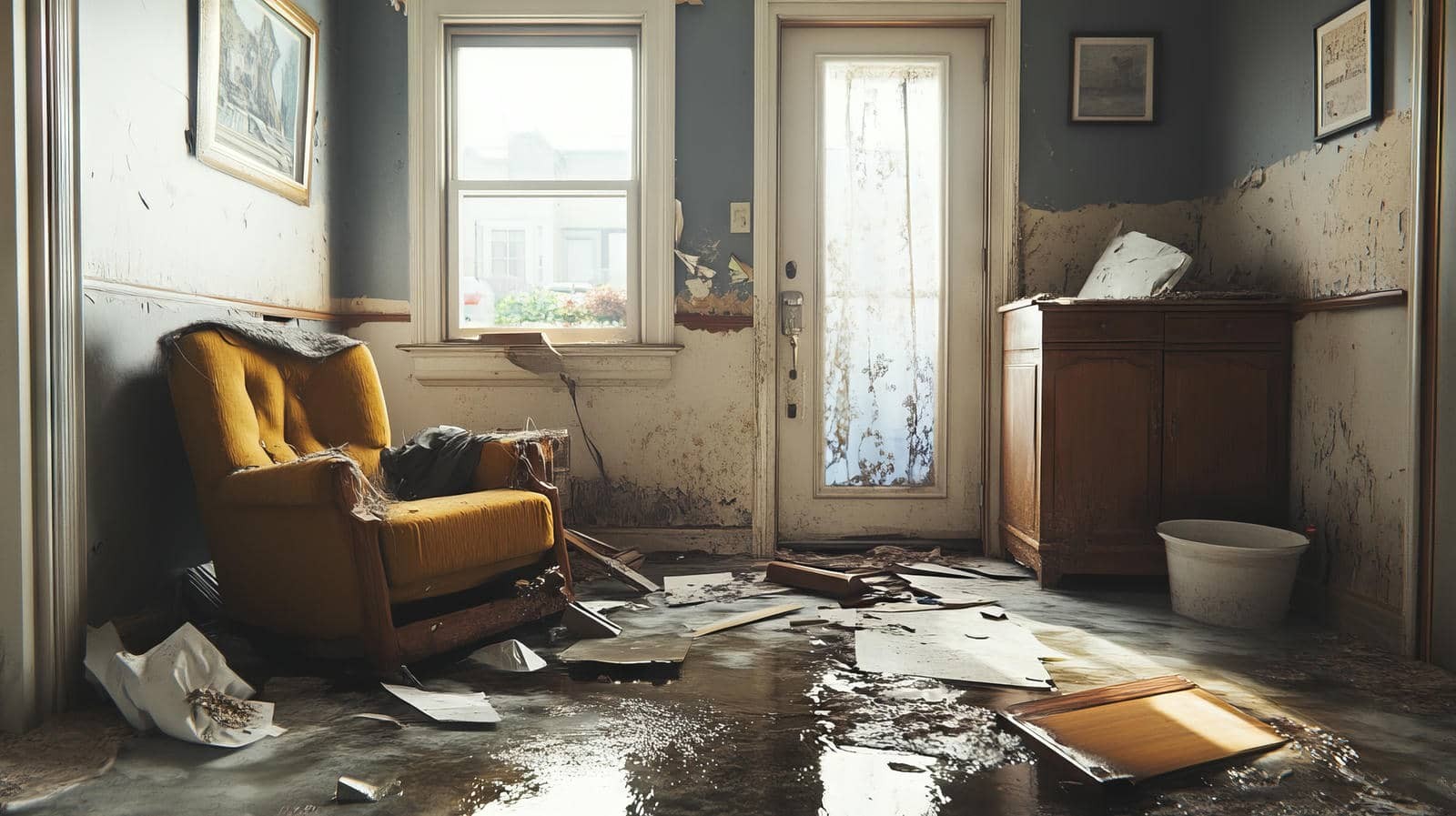
When disaster strikes and your home faces flooding, the first essential step is evaluating the damage. Start your damage evaluation by documenting affected areas with photos and notes. Focus on structural elements, such as walls, flooring, and foundations.
Don’t overlook personal belongings; they may be covered by your insurance.
Next, check for mold and mildew, which can develop quickly in damp environments. Understanding the extent of the damage is critical for your insurance coverage. Review your policy to identify what’s covered and gather the necessary documentation for a claim.
While evaluating, prioritize safety—avoid standing water and wear protective gear. This meticulous approach helps you grasp the overall impact of the flooding and prepares you for discussions with your insurance provider.
Ensuring Safety First
Before diving into the restoration process, it’s essential to prioritize safety, as floodwaters can pose serious hazards. First, assess your surroundings for any electrical dangers; never enter a flooded area if water’s near outlets or appliances.
Verify you have your emergency preparedness kit ready, complete with essentials like first aid supplies and non-perishable food.
Next, check your flood insurance policy to understand your coverage; this knowledge can guide your decisions and alleviate some stress during this chaotic time. Always wear protective gear, such as boots and gloves, to shield yourself from contaminants.
Be aware of hidden dangers like sharp objects or wildlife in the water. If you’re unsure about the safety of your environment, consider contacting local authorities for guidance.
Prioritizing these safety measures protects you and fosters a supportive community spirit as you navigate this challenging situation together.
Removing Standing Water
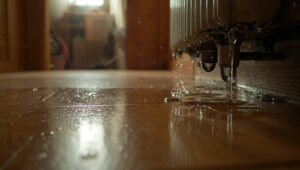
Start by evaluating the extent of standing water in your home, as prompt removal is essential to prevent further damage and mold growth.
Begin with proper drainage management; identify areas where water collects and utilize pumps or wet vacuums for effective water removal. If you’re dealing with a significant amount of standing water, consider renting a submersible pump, which can expedite the process.
Before you start, make sure you’re wearing protective gear to safeguard against contaminants.
As you remove the water, be vigilant about checking for structural damage and hazards. Keep windows and doors open to promote airflow, aiding in drying.
If the water is too extensive or contaminated, it’s wise to consult a professional restoration service. They’ve the tools and expertise to manage the situation safely and efficiently.
Drying Out the Affected Areas
Once you’ve removed standing water, it’s essential to focus on drying out the affected areas thoroughly.
Utilizing dehumidifiers efficiently will help eliminate moisture from the air, preventing mold growth and further damage.
Make certain you position the dehumidifiers strategically to maximize airflow and accelerate the drying process.
Remove Standing Water
Removing standing water is essential for preventing further damage and minimizing health risks in your home after a flood. To effectively manage this process, consider the following steps:
- Assess the situation: Identify how much water is present and the source of flooding.
- Choose water extraction methods: Use a wet/dry vacuum or a submersible pump for effective removal.
- Sump pump installation: If flooding is frequent, consider installing a sump pump for future protection.
- Ensure safety: Wear protective gear and turn off electricity in affected areas to avoid hazards.
Utilize Dehumidifiers Efficiently
Utilizing dehumidifiers efficiently is essential for drying out affected areas after a flood, as excess moisture can lead to mold growth and structural damage.
Start by ensuring proper dehumidifier placement; position units in the most damp areas, such as basements or near wet carpets. Make sure the airflow isn’t obstructed, allowing for maximum moisture extraction.
Aim for an ideal humidity level of around 30-60% to inhibit mold development. Regularly monitor and empty the dehumidifier’s water reservoir to maintain effectiveness.
If possible, use multiple units to enhance drying speed. By following these precise steps, you’ll protect your home and create a safer, more comfortable living environment for you and your family.
Cleaning and Sanitizing Surfaces
As you tackle the aftermath of flooding, it’s vital to focus on cleaning and sanitizing surfaces to prevent mold growth and ensure a safe environment.
Effective surface cleaning requires a methodical approach using appropriate sanitizing agents. Here’s how to make certain thorough cleaning:
- Remove Debris: Start by clearing away any visible debris or materials that could harbor bacteria.
- Wash Surfaces: Use warm, soapy water to scrub surfaces, paying attention to corners and crevices.
- Apply Sanitizing Agents: After cleaning, apply EPA-approved sanitizing agents according to the manufacturer’s instructions to eliminate pathogens.
- Dry Thoroughly: Make sure all surfaces are dried completely to prevent moisture retention, which can lead to mold.
Inspecting for Mold Growth
Once you’ve cleaned and sanitized surfaces after a flood, it’s essential to inspect for mold growth.
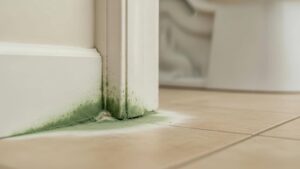
Look for signs like discoloration, musty odors, and moisture, as these can indicate hidden mold issues.
If you suspect mold or want to ensure thoroughness, consider seeking a professional assessment.
Identifying Mold Signs
Identifying mold signs early can save you from extensive damage and health issues in your home.
Mold types vary, and recognizing their signs is essential to safeguarding your space. Here are four key indicators to look for:
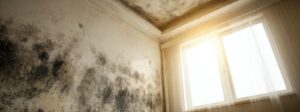
- Visible Growth: Check for any dark spots or fuzzy patches on walls, ceilings, and hidden corners.
- Musty Odor: A persistent, earthy smell often indicates mold presence, even if you can’t see it.
- Water Damage: Look for discoloration, bubbling, or peeling in areas exposed to moisture.
- Health Symptoms: Pay attention to any unexplained allergies or respiratory issues, which can signal mold exposure and its associated health risks.
Preventive Measures
While regular inspections might seem tedious, they’re essential for preventing mold growth in your home.
Start by checking areas prone to moisture, like basements and bathrooms. Make sure your flood barriers are intact and functioning correctly to keep water at bay.
Inspect your drainage systems; clogged or damaged drains can lead to standing water, creating an ideal environment for mold.
Look for any signs of leaks around pipes and windows, and address them immediately.
Don’t forget to monitor your home’s humidity levels; ideally, they should stay below 60%.
Professional Assessment Options
When you suspect mold growth in your home, seeking a professional assessment is essential for an accurate diagnosis and effective remediation.
Mold can thrive after flooding, complicating your restoration timeline. Here are four key assessment options to evaluate:
- Visual Inspection: Professionals will examine areas affected by water damage for visible mold signs.
- Moisture Meters: Experts use specialized tools to check moisture levels in walls and ceilings, indicating potential mold growth.
- Air Quality Testing: This identifies airborne mold spores, helping assess the extent of contamination.
- Surface Sampling: Technicians may take samples from suspicious surfaces to identify specific mold types.
Don’t forget to consult your flood insurance policy, as it may cover mold remediation costs, ensuring you’re supported throughout the process.
Repairing Structural Damage
Evaluating and repairing structural damage after a flood is essential for ensuring your home’s safety and stability. Start by inspecting key areas like the foundation, walls, and roof. Look for cracks, warping, or other signs that compromise structural integrity.
If you find significant damage, it’s vital to consult with a professional engineer to assess the extent of the issue and recommend appropriate repair techniques.
Common repair techniques may include reinforcing beams, replacing damaged drywall, or even rebuilding sections of the foundation. Make sure you use materials that match the original structure to maintain cohesion and strength.
As you tackle these repairs, remember that your efforts contribute to the overall health of your home and community. Engaging with local contractors can also foster a sense of belonging, as they understand the specific challenges faced in your area.
Prioritize these repairs to protect your investment and provide a safe haven for your family.
Restoring Electrical Systems
When restoring electrical systems after a flood, your first step is to ensure safety precautions are in place.
Next, you’ll need to inspect any damaged wiring to assess the extent of the issues.
If the damage is significant, don’t hesitate to call in professional restoration services to handle the repairs.
Safety Precautions First
Although restoring electrical systems after a flood can seem challenging, prioritizing safety is essential to prevent further damage or personal injury.
Before you begin any work, verify your personal safety and that of your family. Here are critical safety precautions to follow:
- Disconnect Power: Turn off the main power supply to avoid electrical shocks.
- Contact Professionals: Reach out to emergency contacts, like licensed electricians, for guidance and assistance.
- Wear Protective Gear: Use rubber gloves and waterproof boots to safeguard against hazards.
- Check for Gas Leaks: If you smell gas, evacuate immediately and call your utility company.
Taking these steps helps protect you and fosters a sense of community safety among homeowners dealing with similar challenges.
Inspecting Damaged Wiring
Inspecting damaged wiring after a flood is vital for restoring your home’s electrical system safely and effectively. Start by making sure all power sources are turned off to prevent electrical hazards.
Carefully examine visible wiring for signs of corrosion, fraying, or water damage. Pay close attention to junction boxes and outlets, as these areas are often compromised. If you detect any issues, it’s important to document them for your records.
Conducting thorough electrical inspections helps maintain wiring safety and ensures your system meets local codes. Don’t hesitate to reach out to a professional if you’re unsure about the condition of your wiring.
Professional Restoration Services
Once you’ve assessed the condition of your wiring, the next step is to contemplate professional restoration services for restoring your electrical systems.
Expert technicians can implement specialized restoration techniques to ensure your safety and the longevity of your home’s electrical infrastructure.
Here are some service benefits you’ll gain:
- Thorough Assessment: Professionals conduct a detailed evaluation to identify hidden issues.
- Safe Restoration: They use industry-standard practices to prevent hazards.
- Time Efficiency: Experts complete the work quickly, saving you time and stress.
- Peace of Mind: Knowing that qualified technicians are handling the restoration brings reassurance.
Engaging professional services is crucial for a safe, effective recovery from flood damage, allowing you to focus on rebuilding your life.
Replacing Damaged Materials
Replacing damaged materials after a flood is vital for restoring your home’s safety and comfort. Start by evaluating the extent of the damage, focusing on materials like drywall, flooring, and insulation. When selecting materials, opt for water-resistant options that can withstand potential future flooding. For instance, consider using vinyl flooring or treated wood.
Before you begin replacing anything, make sure you follow proper disposal guidelines for the damaged materials. This includes safely disposing of mold-infested items, which can pose health risks. Check local regulations for specific disposal requirements to avoid fines and ensure safe practices.
Once you’ve selected the right materials and disposed of the damaged ones, prepare your work area. Take your time to confirm everything is done correctly, as this foundational step is essential for restoring your home and preventing further issues down the line.
Your home deserves it, and you’ll feel more secure knowing you’ve taken these important steps.
Preventing Future Flooding
While restoring your home after a flood is essential, taking proactive steps to prevent future flooding is equally important.
Implementing effective strategies can safeguard your property and provide peace of mind. Here are four key measures you can take:
- Improve Landscape Grading: Ascertain that your yard slopes away from your home to direct water flow away from the foundation.
- Install Drainage Systems: Consider adding French drains or sump pumps to effectively manage water accumulation around your property.
- Maintain Gutters and Downspouts: Regularly clean gutters and ensure downspouts discharge water at least six feet away from your home.
- Seal Foundation Cracks: Inspect your foundation for cracks and seal any found to prevent water intrusion.
Frequently Asked Questions
How Can I File an Insurance Claim for Flood Damage?
To file a flood damage claim, review your policy for flood coverage, gather documentation, and contact your insurer. Follow their claim process, ensuring you submit everything promptly to secure your rightful compensation.
What Are the Signs of Hidden Water Damage?
You’ll notice hidden water damage through water stains on walls or ceilings and musty odors in your home. Check for warped floors or peeling paint, as these signs can indicate deeper issues requiring immediate attention.
How Long Does the Flood Restoration Process Typically Take?
The flood recovery timeline typically spans from a few days to several weeks. Restoration duration depends on the extent of damage, drying methods, and materials involved. You’ll want a thorough assessment to ensure a complete and efficient process.
Should I Hire Professionals or Handle Restoration Myself?
You should consider hiring professionals for a thorough assessment, especially if you’re unsure about DIY restoration. They’ll ensure safety, efficiency, and quality, helping you avoid potential mistakes that could lead to further damage.
What Items Can Be Salvaged After a Flood?
You can often salvage items like furniture, appliances, and electronics if they’re dried and cleaned promptly. Focus on restoration priorities, ensuring you assess each item’s condition to determine what’s truly salvageable for your home.
Conclusion
Effectively restoring your home after a flood is essential for safety and long-term resilience. By following these ten restoration techniques, you mitigate current damage and protect your home from future flooding. Remember, a proactive approach today can save you from costly repairs tomorrow. Stay prepared and informed, and your home will be better equipped for whatever comes next.