Ignoring black mold removal can feel like inviting disaster into your home. It’s vital to understand that improper techniques can worsen the situation, leading to health issues and further contamination. Following a structured guide ensures you approach the task safely and effectively, minimizing your exposure to harmful spores. But what specific steps should you take to ensure a thorough job? Let’s explore the essential aspects of mold removal and how to protect your living space.
Key Takeaways
- Following a guide ensures proper identification of black mold and its potential health risks, promoting safety during the removal process.
- A structured approach helps gather necessary tools and protective gear, minimizing exposure to harmful spores.
- Guides provide step-by-step instructions for effective removal, reducing the risk of incomplete or ineffective mold remediation.
- They emphasize safety precautions, preventing health complications, especially for sensitive individuals and those with preexisting conditions.
- Utilizing a guide aids in long-term prevention strategies, ensuring a healthier living environment by controlling moisture and conducting regular inspections.
Understanding Black Mold and Its Dangers
Black mold, scientifically known as Stachybotrys chartarum, poses significant health risks that shouldn’t be underestimated.
Understanding the various mold types that can proliferate in damp environments is vital, especially since each type can have different health effects. Stachybotrys is notorious for releasing mycotoxins, which can lead to respiratory issues, skin irritations, and fatigue. You mightn’t notice the symptoms immediately, but prolonged exposure can worsen your health, especially for sensitive groups like children or those with preexisting conditions.
It’s essential to recognize that not all molds are harmful, yet distinguishing between them can be challenging. By learning about black mold and its dangers, you empower yourself to take preventive measures.
Your health and well-being matter, and understanding these risks helps foster a safe living environment for you and your loved ones. Don’t overlook the significance of addressing mold issues promptly.
Identifying Black Mold Growth
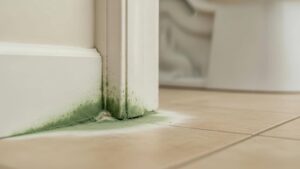
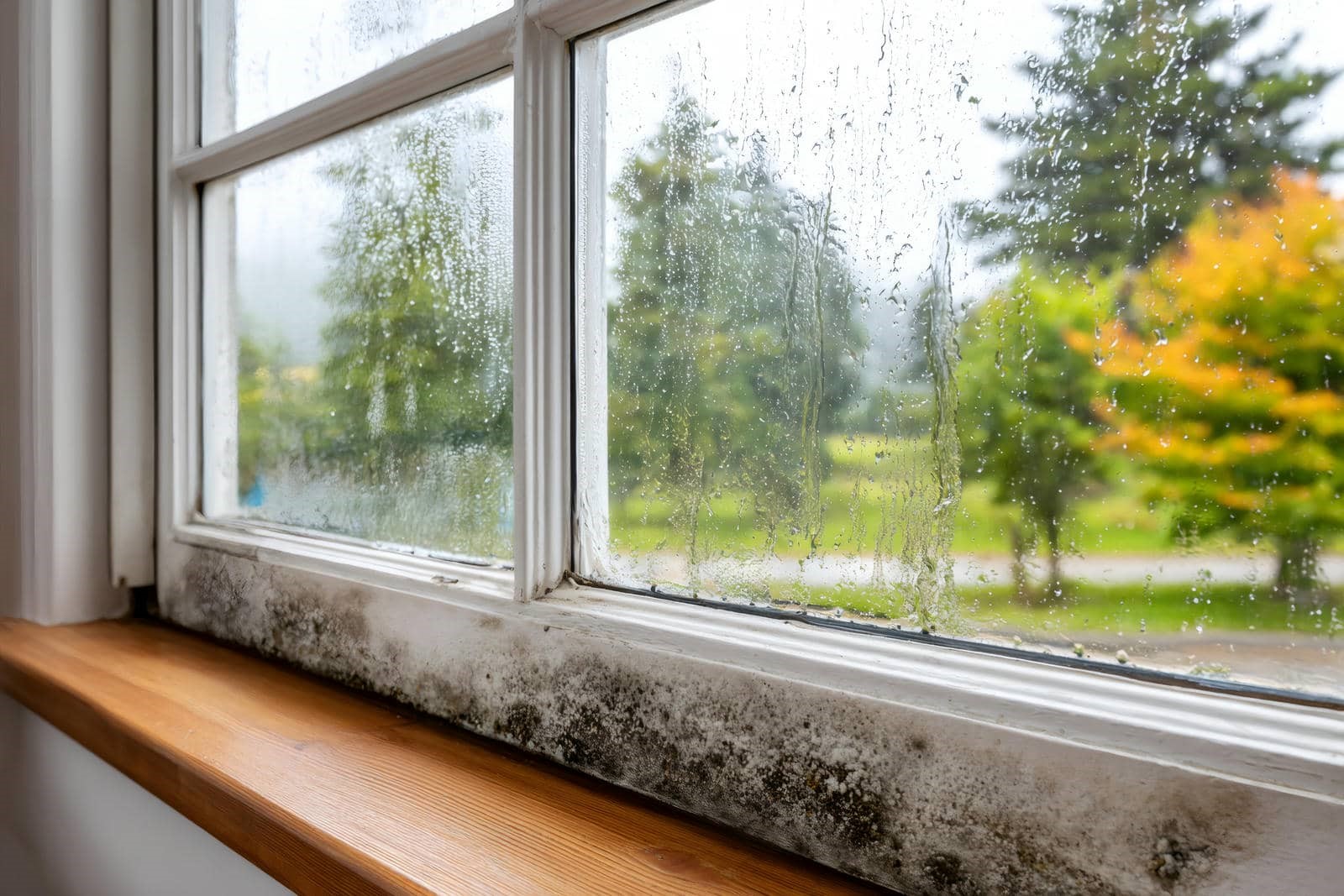
How can you effectively spot black mold growth in your home? Start by familiarizing yourself with mold growth signs, which often include dark, greenish-black patches in damp areas.
Check common hotspots, such as bathrooms, kitchens, and basements, where moisture levels are high. Use mold identification techniques like visual inspections and smell tests—if you detect a musty odor, it could indicate hidden mold.
Look for water damage, peeling paint, or warped surfaces, as these can be precursors to mold issues. Remember, mold thrives in environments with humidity above 60%.
Regularly monitoring your home’s humidity can help you catch potential problems early. If you see any of these signs, don’t ignore them; addressing mold growth promptly is essential for your health and home.
Safety Precautions Before Starting Removal
Once you’ve identified potential black mold growth, it’s important to prioritize safety before starting the removal process.
Begin by gathering the necessary protective gear, including gloves, goggles, and an N95 respirator mask. These items shield your skin and eyes from irritants and protect your lungs from harmful spores.
Next, familiarize yourself with safety guidelines specific to mold removal. Confirm the area is well-ventilated by opening windows and using fans to circulate air.
If possible, seal off the contaminated space to prevent spores from spreading to other parts of your home.
Consider informing others in your household about your plans, as it’s crucial for everyone’s safety.
By taking these precautions seriously, you’re creating a safer environment for yourself and your loved ones.
Necessary Tools and Equipment
To effectively tackle mold removal, you’ll need a few essential tools and equipment at your disposal. First, gather protective gear, such as gloves, goggles, and a mask, to ensure your safety during the process.
Next, invest in a sturdy scrub brush or sponge for scrubbing surfaces. You’ll also require a spray bottle for applying mold-killing solutions, like vinegar or bleach, which are effective in eliminating mold spores.
Don’t forget a bucket to hold your cleaning solutions and a wet/dry vacuum for removing excess moisture. Additionally, a moisture meter can help you identify hidden damp areas prone to mold growth.
Finally, consider a dehumidifier to maintain low humidity levels after removal, preventing future infestations. These essential tools enhance your efficiency and foster a sense of community as you tackle mold issues together with others facing similar challenges.
Step-by-Step Mold Removal Process
The mold removal process can be broken down into several clear steps to ensure effective, safe elimination of mold from your home.
First, identify the mold’s source, typically moisture or water leaks. Next, gather your necessary protective gear, such as gloves and masks, to secure your safety.
Once you’re prepared, use effective cleaning solutions—like vinegar or specialized mold removers—and focus on affected areas, employing various mold removal techniques to scrub surfaces thoroughly.
After cleaning, verify the area is dry to prevent future growth, as moisture control is key.
Finally, monitor the cleaned areas for any signs of mold returning. By following these steps, you protect your home and create a healthier living environment for you and your loved ones.
Proper Disposal of Contaminated Materials
Proper disposal of contaminated materials is essential in the mold removal process to prevent further contamination and health risks.
Once you’ve identified and removed affected materials, it’s vital to handle contaminated material disposal properly. This means placing items like drywall, carpeting, or insulation in sealed bags to minimize spore release during transport.
Next, consult your local regulations for hazardous waste management, as some materials may require special handling or disposal sites.
Engaging with your community resources can provide guidance and support, ensuring you’re following the right protocols.
It’s important to work together, fostering a sense of belonging among those tackling similar issues.
Cleaning and Sanitizing Affected Areas
After disposing of contaminated materials, the focus shifts to cleaning and sanitizing the affected areas. You’ll want to use effective cleaning techniques to eliminate any remaining mold spores. Start by scrubbing surfaces with a mixture of water and a suitable detergent. This step helps lift mold from surfaces, ensuring a thorough clean.
Once the surfaces are clean, it’s essential to apply sanitizing products designed to kill mold spores. Look for products that are EPA-approved for mold remediation. Follow the manufacturer’s instructions for application, ensuring that you cover the entire area.
Don’t forget to ventilate the space during this process; proper airflow can aid in drying and prevent future issues.
Preventing Future Mold Growth
To prevent future mold growth, you need to control humidity levels, improve ventilation, and conduct regular inspections.
Maintaining a humidity level below 60% can greatly reduce mold’s chances of thriving.
Additionally, ensuring proper airflow in your home and routinely checking for signs of moisture will help you stay one step ahead of mold issues.
Control Humidity Levels
Maintaining ideal humidity levels is essential in preventing future mold growth within your home. Effective humidity control involves keeping indoor humidity between 30% and 60%. Use a hygrometer to monitor these levels regularly.
If humidity rises, consider employing moisture management strategies—such as using dehumidifiers or air conditioners.
Additionally, make sure that your home is insulated properly, as insulation can greatly impact humidity levels. In bathrooms and kitchens, use exhaust fans to expel moist air, especially after cooking or showering.
Improve Ventilation Systems
Effective humidity control naturally leads to the importance of improving ventilation systems in your home. By enhancing airflow, you’ll reduce moisture buildup, which is a key factor in mold growth.
Make sure that your vents are unobstructed and consider installing exhaust fans in areas like kitchens and bathrooms where humidity tends to be higher.
Also, upgrading filters in your HVAC system is crucial; better filtration can trap more airborne particles, including mold spores, preventing them from settling. Regularly changing these filters will maintain peak airflow and efficiency.
By focusing on these improvements, you’re preventing mold and creating a healthier living environment for you and your family.
Prioritize these upgrades to foster a sense of safety and belonging in your space.
Regular Inspections Needed
Regular inspections are essential in preventing future mold growth, as they allow you to identify potential problem areas before they escalate. By incorporating effective mold inspection techniques, you can spot moisture issues or leaks early, reducing the risk of severe infestations.
Aim for a consistent inspection frequency—quarterly checks are often recommended, but adjust based on your environment’s humidity levels. During these inspections, look for signs of water damage, condensation, and dark spots that could indicate mold.
Not only will this proactive approach help maintain a healthy living space, but it also fosters a sense of community among those who prioritize clean, safe environments. Taking these steps ensures you and your loved ones feel secure in your home, free from the dangers of mold.
When to Call a Professional
If you encounter a severe mold infestation, it’s time to contemplate calling a professional.
Health risks associated with mold exposure can escalate quickly, especially for individuals with respiratory issues.
Additionally, if you lack experience in mold removal, hiring an expert ensures that the problem is addressed safely and effectively.
Severe Mold Infestation
When you notice a significant increase in mold growth, it’s crucial to assess the situation carefully, as severe infestations can pose serious health risks and cause extensive property damage.
If you identify the following signs, it’s time to call a professional:
Widespread Mold: If mold covers a large area (more than 10 square feet).
Recurring Growth: Mold keeps coming back despite your removal techniques.
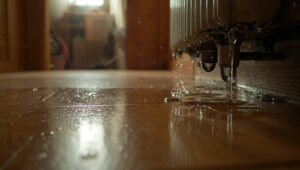
Extensive Water Damage: If there’s significant moisture damage from leaks or flooding.
Health Symptoms: If you or your family experience respiratory issues or allergic reactions.
Ignoring these signs can lead to mold spores spreading throughout your home, worsening the problem.
Professional help ensures effective removal techniques and protects your living environment.
Health Risks Present
How can mold exposure affect your health? When you encounter mold, especially black mold, you risk various health complications. Symptoms can range from respiratory issues, such as coughing and wheezing, to allergic reactions like skin irritation.
For those with pre-existing conditions, exposure may worsen symptoms, leading to severe asthma attacks or chronic lung conditions.
Ignoring mold can lead to long-term effects, including persistent respiratory problems and immune system deficiencies.
If you or someone in your household experiences these symptoms, it’s essential to call a professional. They can assess the situation accurately and provide effective removal strategies.
Taking action protects your health and contributes to a safer living environment for everyone. Don’t underestimate the importance of addressing mold promptly.
Lack of Experience
Many homeowners underestimate the complexity of mold removal, often believing they can handle it themselves.
However, a lack of knowledge can lead to serious mishaps, especially for inexperienced homeowners. Recognizing when to call a professional is essential in ensuring safety and effectiveness.
Consider seeking expert help if you notice:
- Extensive mold growth that’s hard to contain
- Mold in hidden areas, like behind walls or under floors
- Recurring mold problems after DIY attempts
- Health issues among household members are worsening due to exposure
In these scenarios, professional mold removal services can provide the expertise and equipment necessary to address the problem effectively.
Don’t let your lack of experience jeopardize your home and health; sometimes, it’s best to rely on the experts.
Importance of Regular Inspections and Maintenance
Regular inspections and maintenance are vital for preventing the growth of black mold, as even minor leaks or moisture issues can escalate into significant problems if left unchecked. By conducting routine checks throughout your home, you can identify potential sources of moisture before they become serious threats.
This proactive approach protects your living space and fosters a sense of community and belonging among those who prioritize a healthy environment.
Implementing preventive measures, such as monitoring humidity levels and ensuring proper ventilation, is essential. You’ll be creating an atmosphere that discourages mold growth and promotes the well-being of your family.
Regular maintenance of plumbing and roofing can also save you from costly repairs down the line. By staying vigilant and committed to these practices, you demonstrate a responsibility to yourself and those around you, reinforcing the importance of health and safety in your shared space.
Frequently Asked Questions
Can I Remove Black Mold Without Professional Help?
Yes, you can remove black mold without professional help. However, make certain you use proper mold removal techniques and prioritize DIY safety. Always wear protective gear and ventilate the area to minimize health risks.
How Long Does the Mold Removal Process Typically Take?
The mold removal process typically takes one to several days. However, the mold removal timeline varies based on factors affecting duration, such as the size of the infestation, accessibility, and your chosen removal method.
What Are the Signs of Hidden Mold Growth?
You’ll notice hidden mold indicators like musty odors, water stains, or persistent allergies. Utilize effective mold detection methods, such as moisture meters or infrared cameras, to uncover concealed mold and protect your home and health.
Will Bleach Effectively Kill Black Mold?
Bleach can kill black mold, but its effectiveness is limited. It doesn’t penetrate porous materials, allowing mold regrowth. For thorough removal, consider alternative methods that address underlying moisture and prevent future infestations.
How Can I Tell if Mold Is Completely Gone?
You can tell mold’s completely gone by using mold detection methods or mold testing kits. Inspect surfaces closely, watch for lingering odors, and ensure humidity levels remain low to prevent a return. Trust your instincts.
Summary
Following a guide for black mold removal isn’t just a smart move; it’s essential for your health and home. By understanding the dangers, taking safety precautions, and using the right tools, you can effectively tackle mold issues. Think of it like using a GPS on a road trip—without it, you risk getting lost in a maze of health hazards. Stay proactive with regular inspections to keep your living environment safe and mold-free.