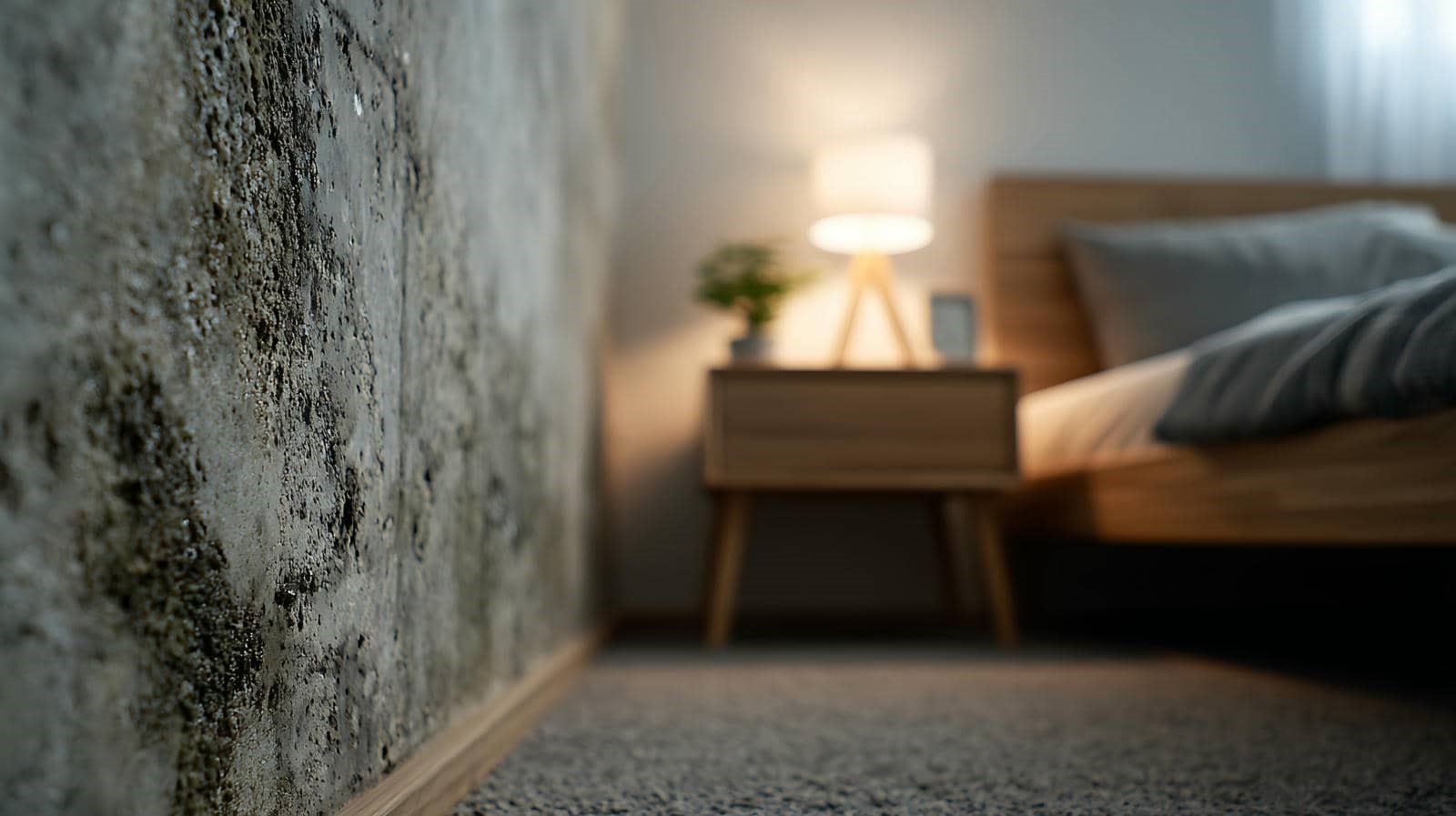
After flooding, addressing black mold quickly is vital for your safety and property. You need to start by evaluating the damage in moisture-affected areas like walls and floors. It’s imperative to ensure your safety during this process, as mold can pose health risks. But what steps should you take next to effectively remove it and prevent its return? Let’s explore a systematic approach to tackle this pervasive issue.
Key Takeaways
- Assess water damage by inspecting walls, ceilings, and floors for moisture-affected areas and document findings for remediation.
- Prioritize safety by wearing PPE and ensuring proper ventilation during the cleanup process.
- Remove contaminated materials, including damaged drywall and carpeting, and dispose of them safely.
- Clean and disinfect affected areas with appropriate cleaning solutions to eliminate mold spores.
- Dry and dehumidify the home promptly to maintain humidity levels below 60% and prevent future mold growth.
Assessing the Damage
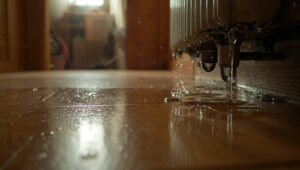
After flooding, the first step in tackling black mold is evaluating the damage throughout your home.
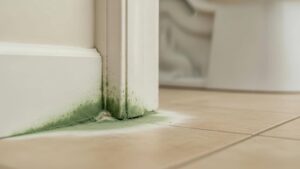
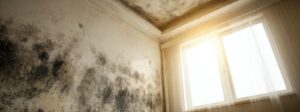
You’ll need to conduct a thorough water damage evaluation to identify areas affected by moisture. Start by inspecting walls, ceilings, and floors, as these are common hotspots for mold growth.
Utilize mold assessment techniques like visual inspections and moisture meters to detect hidden dampness.
Don’t forget to check behind furniture and inside cabinets, where mold can thrive unnoticed.
Document your findings with photos and notes, as this information will be valuable for remediation efforts.
Pay attention to any unpleasant odors, which often signal mold presence.
Ensuring Safety Precautions
Before you begin any mold remediation efforts, it’s crucial to prioritize safety precautions to protect yourself and others.
Start by equipping yourself with personal protective equipment (PPE), including gloves, goggles, and a mask designed to filter airborne spores. This gear greatly reduces your exposure to health risks associated with black mold, which can lead to respiratory issues and allergic reactions.
Ensure you work in a well-ventilated area, opening windows and using fans to disperse mold spores.
If the affected area is large or the mold growth is extensive, consider enlisting professionals who are trained to handle such situations safely.
Remember, your safety is paramount; don’t underestimate the potential dangers of mold exposure.
Removing Contaminated Materials
To effectively remove contaminated materials after flooding, first, identify all affected areas in your home.
This includes checking walls, flooring, and any furnishings that may have absorbed moisture.
Once you’ve pinpointed these spots, use safe disposal methods to ensure you’re handling materials containing black mold responsibly.
Identify Affected Areas
Identifying affected areas is essential, as it allows you to effectively target the removal of contaminated materials. Start by using mold identification techniques to assess your environment thoroughly.
Check common affected surface types like drywall, wood, and carpets, as these can harbor mold spores after flooding. Look for discoloration, a musty smell, or visible growth.
Pay attention to hidden areas such as behind appliances, under sinks, and inside walls, where moisture might linger. Make a list of all affected spots to prioritize your cleaning efforts.
Engaging in this methodical approach ensures you don’t overlook any areas and fosters a sense of community as we address this issue together, creating a safe and healthy living space for everyone involved.
Safe Disposal Methods
Once you’ve identified the affected materials, it’s vital to dispose of them safely to prevent further mold growth and health risks.
Begin by placing contaminated items, such as drywall or carpeting, into biodegradable bags to ensure they’re sealed securely. This minimizes the chance of mold spores escaping during disposal.
Next, check local regulations regarding hazardous waste; some materials may require special handling. Transport these items to designated hazardous waste facilities for safe disposal.
By following these steps, you not only protect your health but also contribute to your community’s well-being.
Cleaning and Disinfecting Affected Areas
Before you start cleaning and disinfecting areas affected by black mold, it’s essential to prioritize safety precautions.
You’ll need to choose appropriate cleaning solutions that effectively eliminate mold while being safe for your environment.
Additionally, make certain you follow proper drying techniques to prevent future mold growth and maintain a healthy space.
Safety Precautions First
As you prepare to tackle the aftermath of flooding, prioritizing safety precautions is essential when cleaning and disinfecting affected areas.
Start by wearing protective gear, including gloves, masks, and goggles, to shield yourself from harmful mold spores and contaminants. If the situation seems overwhelming, don’t hesitate to contact emergency services or mold remediation experts for assistance.
Ensure adequate ventilation in the space by opening windows and using fans to reduce moisture and improve air circulation.
Before beginning the cleaning process, remove any damaged materials like drywall or carpeting, as they can harbor mold.
Cleaning Solutions Options
While tackling black mold after flooding, selecting the right cleaning solutions is essential for effective remediation. You can choose between natural remedies and chemical solutions, depending on your preferences and the severity of the mold.
For natural remedies, consider a mixture of vinegar and water or baking soda, both of which can effectively kill mold spores without harsh chemicals.
On the other hand, chemical solutions like bleach or commercial mold removers may provide quicker results for extensive infestations.
Whichever option you choose, make sure you follow the manufacturer’s instructions and take proper safety precautions.
Proper Drying Techniques
Effective drying techniques are essential for preventing the regrowth of black mold after flooding.
Start by using ventilation methods to enhance airflow in affected areas; open windows and doors to promote natural circulation. You can also use fans or dehumidifiers to expedite the drying process and maintain moisture control.
Focus on drying materials like carpets, drywall, and furniture within 24-48 hours to minimize mold growth risk.
Check hidden spaces, such as under sinks and behind walls, for trapped moisture. Regularly monitor humidity levels with a hygrometer to ensure they stay below 60%.
Drying and Dehumidifying
After flooding, promptly drying and dehumidifying your home is essential to prevent black mold growth. Start by opening windows and doors to enhance air circulation, allowing fresh air to flow through your space. This step helps lower humidity levels and accelerates drying.
Next, set up dehumidifiers throughout your home, adjusting the dehumidifier settings to a lower level for ideal moisture extraction. Aim for a humidity level below 60% to effectively inhibit mold development.
Additionally, run fans in conjunction with your dehumidifiers to promote airflow, especially in areas prone to moisture accumulation, like basements or bathrooms.
Make sure that furniture and belongings are elevated off the floor, as this allows for better air circulation and reduces the risk of hidden mold.
Preventing Future Mold Growth
To effectively prevent future mold growth, it’s essential to address potential moisture sources throughout your home.
Begin by ensuring proper humidity control; aim to keep indoor humidity levels below 60%. Use dehumidifiers in damp areas like basements and bathrooms to help maintain this balance.
Incorporating mold-resistant materials in your home can greatly reduce the risk of mold proliferation.
Consider using mold-resistant drywall, paints, and insulation, especially in moisture-prone areas.
Regularly inspect your plumbing for leaks and promptly fix any issues to prevent water accumulation.
Confirm that your home is well-ventilated, particularly in areas prone to condensation, such as kitchens and bathrooms.
Frequently Asked Questions
How Long Does It Take for Black Mold to Grow After Flooding?
Black mold can start growing within 24 to 48 hours after flooding. Conducting a thorough flood damage assessment right away is essential to prevent rapid mold growth and protect your living environment effectively.
Can Black Mold Cause Health Issues Immediately After Flooding?
Yes, black mold can trigger health symptoms right after flooding. If you notice any signs, take immediate action to protect yourself and your loved ones. Prioritize safety; mold doesn’t wait for anyone.
What Are the Signs of Hidden Mold After Flooding?
You’ll notice hidden mold indicators like a musty smell, water stains, or discoloration on walls. Employ mold detection techniques, such as moisture meters or visual inspections, to identify areas needing further investigation for potential mold growth.
Is It Safe to Stay in My Home During Mold Removal?
It’s generally not safe to stay during mold removal. You should leave the area, as safety precautions are essential. Mold can release spores, posing health risks. Prioritize your well-being by staying elsewhere until the process is complete.
How Much Does Professional Mold Remediation Typically Cost?
Professional mold remediation usually costs between $500 and $6,000, depending on the extent of the problem. Implementing mold-prevention tips and understanding remediation methods can help you manage expenses and ensure a healthier environment.
Recap
Addressing black mold after flooding demands a systematic approach. Assess the damage thoroughly, ensure your safety, remove contaminated materials, clean meticulously, and dry out the space effectively. By taking these steps, you’re not just combating mold; you’re protecting your health, preserving your home, and preventing future infestations. Stay vigilant, monitor humidity levels, and maintain a proactive stance against moisture to create a mold-free environment for years to come.