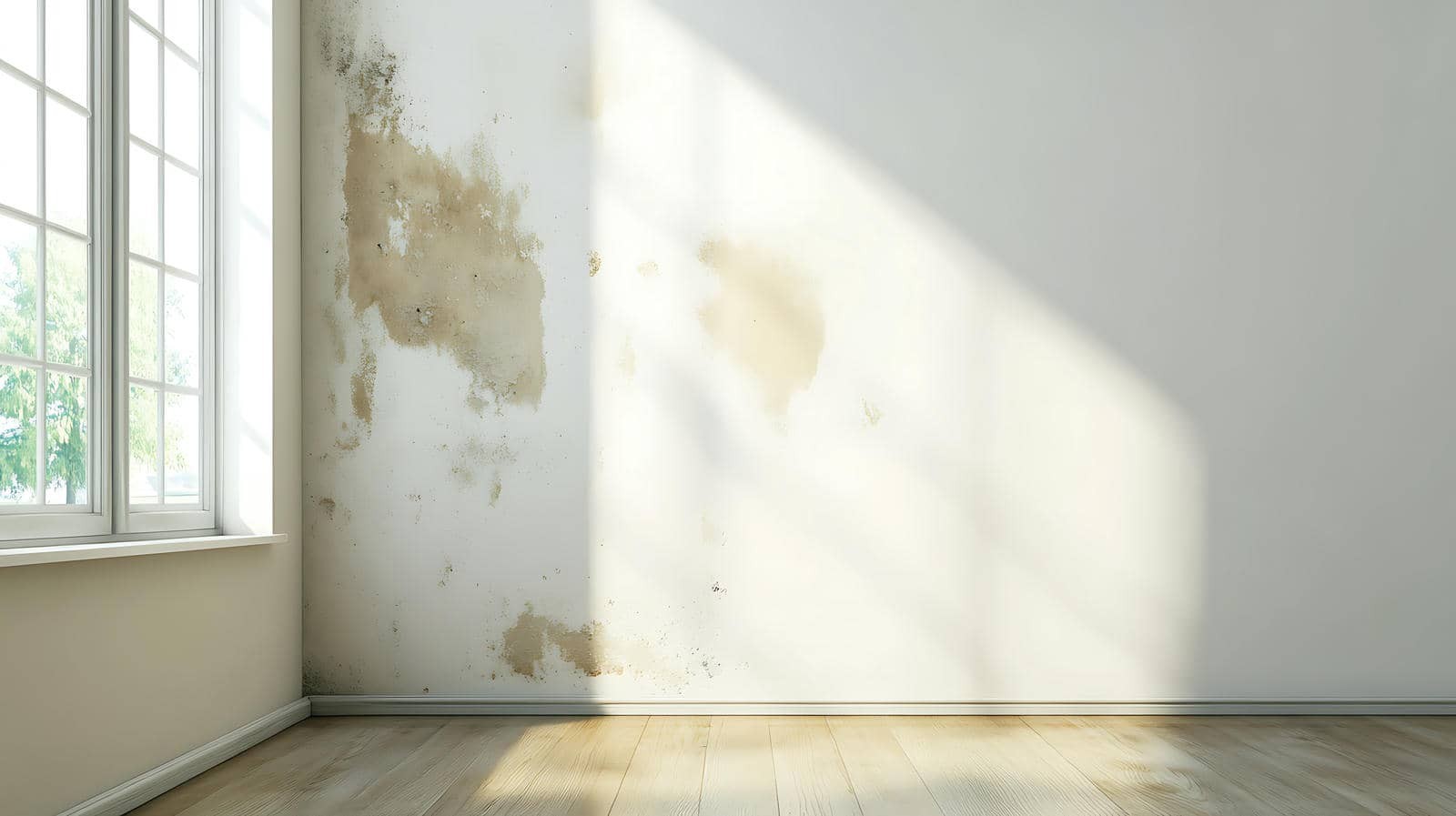
Mold cleanup can feel like maneuvering through a labyrinth, where each turn may lead to hidden dangers. To tackle this issue effectively, you need to assess the extent of the growth and implement proper safety measures. Controlling humidity is vital, but it’s just the beginning. Understanding the best practices for removal and prevention will determine your success. Are you prepared to uncover the essential steps that can make all the difference in your mold cleanup efforts?
Key Takeaways
- Assess the extent of mold growth and identify mold types to determine the appropriate cleanup approach.
- Wear proper safety gear, including an N95 mask, gloves, and goggles, to protect against mold exposure.
- Control humidity levels by maintaining indoor humidity between 30% and 60% to prevent mold recurrence.
- Remove contaminated materials promptly and document the cleanup process for future reference.
- Seek professional help for extensive mold problems or health concerns to ensure effective remediation.
Assess the Extent of Mold Growth
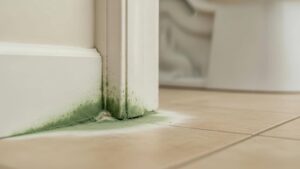
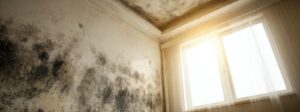
How can you determine the severity of mold growth in your space? Start by identifying the mold types present. Common varieties include black mold, which poses health risks, and green mold, often found in damp areas.
Next, assess the growth conditions; mold thrives in warm, humid environments with poor ventilation. Inspect walls, ceilings, and hidden corners, as mold often lurks out of sight.
Consider the extent of the infestation: small patches might suggest minor moisture issues, while expansive growth indicates a serious problem that requires immediate attention.
Use your senses—look for discoloration, smell musty odors, and feel damp surfaces. Document your findings to help you decide on the necessary cleanup strategies.
Ensure Proper Safety Gear
After evaluating the extent of mold growth, the next step involves ensuring proper safety gear to protect yourself during the cleanup process.
Using the right safety equipment is vital to minimizing health risks associated with mold exposure. Here are three essential items you should have:
N95 Respirator Mask: This mask filters out hazardous particles, ensuring you don’t inhale mold spores.
Protective Clothing: Wear long sleeves, pants, and gloves made from materials that prevent mold from contacting your skin. Disposable suits can also be an effective choice.
Goggles: Protect your eyes from mold spores and irritants that may become airborne during cleanup.
Control Humidity Levels
Controlling humidity levels is vital for preventing mold growth and ensuring a successful cleanup. High humidity creates an ideal environment for mold spores to thrive, so effective humidity control is critical. Aim to maintain indoor humidity levels between 30% and 60%. Use dehumidifiers in damp areas and ensure proper ventilation throughout your home.
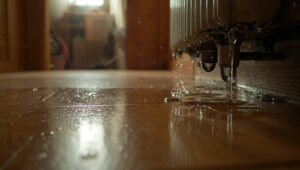
Regularly check your home for leaks, as even small amounts of moisture can lead to significant mold issues over time. Moisture management includes addressing any water damage immediately, as this reduces the likelihood of mold colonization.
Consider using hygrometers to monitor humidity levels, allowing for proactive adjustments. Additionally, ensure that exhaust fans in kitchens and bathrooms are functioning properly to expel excess moisture.
Remove Contaminated Materials
Removing contaminated materials is a critical step in the mold cleanup process. Effective mold removal techniques hinge on your ability to identify and dispose of items that harbor mold spores. Neglecting this step can lead to recurring issues, so it’s vital to act decisively.
Here are three key considerations for contaminated material disposal:
Assess the Damage: Determine which items, such as carpets, drywall, or furniture, are too compromised to salvage.
Use Protective Gear: Always wear gloves, masks, and goggles when handling contaminated materials to protect yourself from exposure.
Follow Local Regulations: Dispose of contaminated items in accordance with your local waste management guidelines to ensure safe, responsible disposal.
Clean Surfaces With Mold-Killing Solutions
To effectively eliminate mold from surfaces, you need to choose potent mold-killing agents.
Understanding proper cleaning techniques is equally essential to ensure these solutions penetrate and effectively eradicate mold.
Effective Mold-Killing Agents
When it comes to effectively tackling mold on surfaces, choosing the right mold-killing agents is essential for ensuring a thorough cleanup.
You have various options to evaluate, including mold-resistant products and natural alternatives. Here are three effective mold-killing agents:
Bleach: A powerful disinfectant that kills mold on non-porous surfaces, but be cautious as it may not penetrate porous materials.
Vinegar: A natural alternative that effectively kills many types of mold without harsh chemicals, making it safe for indoor use.
Hydrogen Peroxide: An eco-friendly option that kills mold and breaks down into water and oxygen, leaving no harmful residues.
Using these agents wisely can help maintain a clean, mold-free environment.
Proper Cleaning Techniques
While various mold-killing solutions are effective, employing proper cleaning techniques is crucial for achieving ideal results.
Begin by selecting the right cleaning supplies; look for products specifically designed for mold removal. Confirm you wear protective gear, like gloves and masks, to safeguard your health during the process.
When cleaning surfaces, apply the solution generously, allowing it to sit for the recommended time to penetrate and kill mold spores. Use non-abrasive cloths or brushes to scrub the area thoroughly, preventing surface damage.
After cleaning, rinse surfaces to remove any residue, and dry them completely to discourage future mold growth.
These mold prevention strategies, combined with effective cleaning techniques, create a strong defense against mold recurrence in your home.
Dry the Affected Area Thoroughly
To effectively eliminate mold, you must dry the affected area thoroughly.
Use dehumidifiers to reduce moisture, ensure proper ventilation, and regularly monitor humidity levels to prevent future growth.
These steps are essential in creating an environment that’s inhospitable to mold.
Use Dehumidifiers Effectively
Using dehumidifiers effectively is essential for drying the affected area thoroughly and preventing mold from returning. Proper moisture reduction helps create an environment where mold struggles to thrive.
Here are three key practices to follow:
Adjust Dehumidifier Settings: Set your dehumidifier to the ideal humidity level, usually between 30-60%, to maximize moisture reduction without overworking the unit.
Position Strategically: Place the dehumidifier in the center of the affected area for even air circulation, ensuring it captures humidity from all corners.
Monitor Progress: Regularly check the water reservoir and humidity levels. Empty the tank as needed and keep an eye on the environment until it’s fully dry.
Ventilate the Space
Ventilating the space effectively is vital for drying the affected area and preventing mold growth. You need to focus on airflow management to ensure that moisture dissipates quickly.
Start by opening windows and doors to create a cross-breeze, allowing fresh air to circulate. If the weather isn’t cooperating, consider using ventilation systems, such as exhaust fans, to enhance airflow.
These systems can help move damp air out while bringing in drier air, which is essential for thorough drying. Remember, stagnant air promotes mold.
By actively managing ventilation, you can considerably reduce the risk of mold returning, fostering a healthier environment for you and your loved ones.
Prioritize these steps to create a safe, welcoming space in your home.
Monitor Humidity Levels
After ensuring proper ventilation, monitoring humidity levels becomes a key step in effectively drying the affected area.
Effective humidity control is crucial for moisture management, as high humidity can prolong drying times and promote mold growth.
Here are three essential practices to take into account:
Use a Hygrometer: Regularly check humidity levels with a hygrometer to ensure they remain below 60% to prevent mold growth.
Dehumidifiers: Utilize dehumidifiers in the affected area to extract excess moisture, speeding up the drying process.
Regularly Inspect: Inspect the area frequently for signs of moisture buildup, ensuring proactive measures are taken before mold returns.
Use Air Filtration Devices
While tackling mold cleanup, incorporating air filtration devices can greatly enhance air quality and reduce the spread of spores.
These devices, like HEPA filters, capture even the smallest particles, ensuring that your indoor environment remains safe and clean. When selecting an air filtration device, pay close attention to its filtration efficiency. A higher efficiency rating means better removal of mold spores and other allergens, making a significant difference in your space.
It’s essential to run these devices continuously during the cleanup process and afterward, as they work to trap airborne contaminants.
This proactive approach provides immediate relief and helps maintain a healthier atmosphere for you and your loved ones. Remember, investing in quality air filtration devices is an important step in effective mold cleanup.
Monitor for Recurrence
To effectively monitor for mold recurrence, you should conduct regular inspections and assessments of the affected areas.
This proactive approach helps identify any new growth before it escalates.
Additionally, implementing humidity control measures is essential in preventing mold from re-establishing itself in your space.
Regular Inspections and Assessments
Regular inspections and assessments are essential for preventing mold recurrence in your home or building.
By establishing a routine, you can proactively identify potential issues and maintain a healthy environment.
Here are three key practices to follow:
Schedule Regular Mold Inspections: Aim for at least bi-annual mold inspections to assess hidden areas like basements and attics.
Evaluate Assessment Frequency: Depending on your local climate and previous mold issues, consider increasing inspection frequency during humid months.
Document Findings: Keep a detailed record of all inspections and assessments for future reference, which can help identify patterns or recurring problems.
Staying vigilant with these practices protects your space and fosters a sense of community commitment to health and safety.
Humidity Control Measures
Controlling humidity is essential in preventing mold from returning, as elevated moisture levels create an ideal environment for growth.
To effectively manage humidity, regularly maintain your dehumidifier, ensuring it functions efficiently. Clean the filters and check for any leaks to optimize performance.
Additionally, consider installing humidity sensors throughout your home. These devices provide real-time feedback, allowing you to monitor moisture levels and take action when necessary.
Aim to keep indoor humidity below 60% to minimize mold risks. By staying proactive with dehumidifier maintenance and utilizing humidity sensors, you foster a healthier living space and greatly reduce the likelihood of mold recurrence.
Document the Cleanup Process
As you commence the mold cleanup process, documenting each step is essential for both effectiveness and accountability. Proper documentation tracks your progress and ensures you adhere to critical protocols.
Here are key documentation methods to evaluate:
Use Cleanup Checklists: Create and follow a detailed checklist to ensure every task is completed and logged. This helps in maintaining organization and clarity.
Photographic Evidence: Take before and after photos of affected areas. This visual documentation can be invaluable for insurance claims and future reference.
Daily Logs: Maintain a daily log of activities, including dates, times, and techniques used. This record provides insight into your methods and can help identify areas needing improvement.
Seek Professional Help if Necessary
While tackling mold cleanup can be manageable for minor infestations, it’s essential to recognize when professional assistance is necessary. If you encounter extensive mold growth, persistent moisture issues, or health concerns among your family members, seeking professional remediation services is vital.
These experts offer specialized knowledge and equipment that can effectively eliminate mold while ensuring your home’s safety. Moreover, they can provide valuable insights into mold prevention strategies tailored to your specific environment.
It’s important to remember that improper cleanup can lead to further contamination and health risks. Professionals can assess the situation thoroughly, addressing underlying moisture problems that you might overlook.
Investing in expert help protects your home and fosters peace of mind. By choosing professional remediation services, you’re joining a community that prioritizes health and safety, ensuring that your living space remains mold-free for years to come.
Frequently Asked Questions
How Long Does It Take for Mold to Grow After Water Damage?
Mold can start growing within 24 to 48 hours after water damage. Factors like temperature, humidity, and the type of material affected influence the mold growth timeline, so act quickly to prevent further issues.
Can I Remove Mold Myself or Should I Hire a Professional?
You can tackle small mold issues with DIY mold removal; however, for larger infestations, hiring professional services is wise. Think of it like fixing a tire versus rebuilding an engine—know your limits for best results.
What Are the Health Risks Associated With Mold Exposure?
Mold exposure can trigger various mold symptoms, including respiratory issues, skin irritation, and fatigue. Prolonged exposure may lead to serious health effects, particularly for individuals with allergies or weakened immune systems. Taking precautions is essential.
Are There Specific Mold-Killing Solutions Recommended for Different Surfaces?
Yes, specific mold remediation products exist for various surfaces. Use bleach for non-porous materials, vinegar on porous items, and specialized surface treatments for fabrics. Always follow manufacturer instructions to ensure effectiveness and safety during cleanup.
How Can I Prevent Mold From Returning After Cleanup?
An ounce of prevention is worth a pound of cure. To keep mold from returning, implement preventative measures like controlling humidity, ensuring proper ventilation, and committing to ongoing maintenance. Consistency will safeguard your environment and enhance comfort.
Final Thoughts
Effectively tackling mold cleanup is like maneuvering through a maze: each step requires careful consideration to reach the exit. By evaluating mold growth, using proper safety gear, and controlling humidity, you can greatly reduce health risks. Removing contaminated materials and cleaning surfaces with effective solutions further ensures a thorough job. Don’t forget to monitor for recurrence and document your progress. If the situation seems overwhelming, don’t hesitate to seek professional help to safeguard your environment.