When faced with water damage, knowing your low-cost cleanup options can make a significant difference. You can often tackle the initial recovery yourself using essential tools and techniques. However, understanding the full scope of what’s available to you—like renting equipment or accessing community resources—can help mitigate costs further. Let’s explore these strategies to ensure you effectively manage the situation while keeping expenses in check.
Key Takeaways
- Conduct a thorough damage assessment to prioritize cleanup efforts and identify salvageable items, minimizing unnecessary costs.
- Utilize DIY cleanup techniques with rented equipment like wet/dry vacuums and dehumidifiers to reduce expenses.
- Explore local community assistance programs for financial aid, supplies, or volunteer support to aid your cleanup efforts.
- Compare quotes from affordable professional service providers to find cost-effective options for cleanup without compromising quality.
- Implement preventative measures, such as water-resistant materials and regular inspections, to avoid future water damage costs.
Assessing the Damage
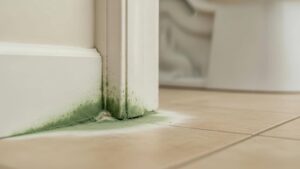
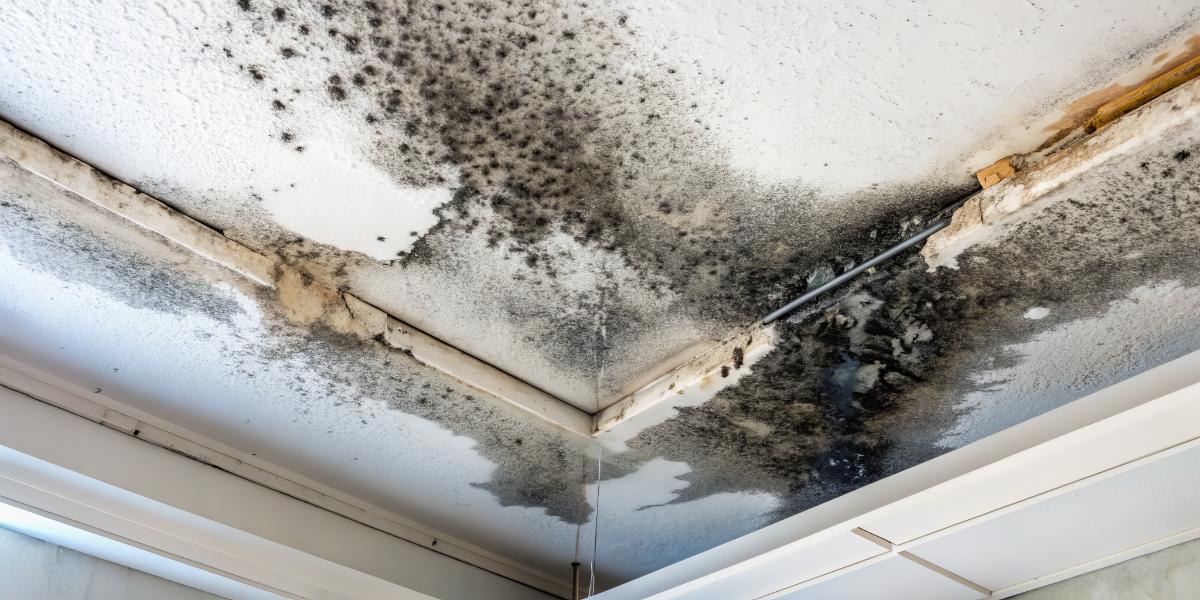
Evaluating the damage after a water incident is essential for effective cleanup and restoration. Start by conducting a thorough damage assessment to identify affected areas, materials, and structural integrity. Check for water-soaked carpets, walls, and furniture, noting any signs of mold or mildew.
This initial evaluation helps you prioritize your cleanup efforts and determine what items can be salvaged.
Next, perform a cost evaluation to estimate the financial impact of the damages. Consider replacement costs for materials, potential repair expenses, and the labor involved in restoring your space.
Knowing these figures will guide your decisions and help you budget effectively, ensuring you’re not caught off guard by unexpected expenses.
DIY Cleanup Techniques
To effectively tackle water damage, you’ll need some essential tools, like a wet/dry vacuum, fans, and moisture meters.
Understanding the step-by-step process will help you efficiently manage the cleanup and prevent further issues.
Let’s explore the key techniques that can guide you through this DIY project.
Essential Tools Needed
When tackling water damage cleanup on your own, having the right tools can make all the difference in efficiency and effectiveness. Here’s a list of essential tools and cleanup equipment you’ll need for a successful DIY effort:
| Tool | Purpose | Importance |
|---|---|---|
| Wet/Dry Vacuum | Remove standing water | Fast water removal |
| Dehumidifier | Reduce humidity | Prevent mold growth |
| Mop and Buckets | Clean hard surfaces | Thorough cleaning |
| Fans | Improve air circulation | Speed up drying |
| Protective Gear | Ensure safety | Avoid health risks |
With these essential tools at your disposal, you can approach your water damage cleanup with confidence.
Step-by-Step Process
As you begin the water damage cleanup process, it’s vital to follow a systematic approach to ensrue thorough and effective results.
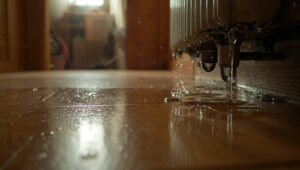
Start with water extraction; use a wet/dry vacuum or pump to remove standing water. Make sure you wear protective gear to keep safe during the process.
Next, remove any soaked materials like carpets and drywall, as they can harbor mold.
Once the area is clear, dry surfaces using fans and dehumidifiers to promote air circulation, this step is important for mold prevention.
After drying, clean and disinfect all affected areas with a mixture of water and bleach to eliminate any remaining contaminants.
Finally, monitor the area for any signs of mold growth in the days following your cleanup.
Utilizing Local Resources
When facing water damage, tapping into local resources can greatly ease your burden.
Community assistance programs and local volunteer groups often provide invaluable support during emergencies.
Additionally, resource sharing platforms can connect you with tools and expertise to help with your cleanup efforts.
Community Assistance Programs
While water damage can be overwhelming, various community assistance programs offer valuable resources to help you tackle cleanup efficiently and affordably.
Many local organizations provide community outreach initiatives, connecting residents with necessary services. You can often find information about assistance eligibility through your local government’s website or community centers.
These programs may offer financial aid, supplies, or even professional help to ensure your home is restored. It’s essential to reach out promptly, as resources may be limited and often prioritize those in urgent need.
Engaging with these programs aids your recovery and fosters a sense of belonging within your community, reminding you that you’re not alone in facing these challenges.
Local Volunteer Groups
Community assistance programs often work hand-in-hand with local volunteer groups, providing additional support for those affected by water damage. By tapping into these resources, you can greatly reduce cleanup costs. Volunteer coordination is key; local groups often organize efforts to maximize efficiency and ensure that everyone receives the help they need.
Engaging in community outreach helps you recover and strengthens connections with those around you. Don’t hesitate to reach out; you’re not alone in this.
Resource Sharing Platforms
Resource sharing platforms can greatly ease the burden of water damage cleanup by connecting you with local resources and services.
By participating in community forums, you can tap into a network of neighbors willing to share tools, equipment, or expertise. A resource exchange allows you to borrow or trade items like dehumidifiers and wet vacuums, reducing your out-of-pocket costs.
Additionally, these platforms often feature local tradespeople who offer discounted rates for cleanup services. Engaging with your community helps you access essential resources and fosters a sense of belonging and support during challenging times.
Utilizing these local assets can markedly streamline your water damage recovery efforts while building lasting connections with those around you.
Renting Equipment for Water Removal
When faced with water damage, renting equipment for water removal can be a cost-effective solution that empowers you to tackle the situation swiftly.
By opting for equipment rental, you gain access to essential tools like high-powered water extractors and industrial dehumidifiers without the hefty price tag of purchasing. These machines are specifically designed for efficient water extraction, ensuring you minimize damage and prevent mold growth.
Many local hardware stores and specialty rental companies offer competitive rates for daily or weekly rentals, making it budget-friendly.
Before renting, assess the size of the affected area to determine what equipment you’ll need. Don’t hesitate to ask rental staff for guidance—they’re there to help you select the right tools for your specific situation.
Seeking Community Assistance
Have you considered reaching out to your local community for assistance with water damage cleanup?
Community outreach can be a powerful tool in your recovery efforts. Many people are willing to help, and local partnerships can provide resources you mightn’t even know are available.
Here are some options to explore:
Local nonprofits: Many organizations offer volunteer services for cleanup efforts.
Church groups: These communities often rally to support their members in need.
Neighborhood associations: They can mobilize volunteers and resources quickly.
Social media groups: Post your situation in local forums to solicit help.
Finding Affordable Professional Services
How can you find affordable professional services for water damage cleanup? Start by conducting a cost comparison of local providers. Look for quotes that outline services and fees clearly. Don’t forget to check service reviews online; they can provide insight into the quality of work and customer satisfaction.
Preventive Measures for Future Issues
Finding affordable professional services is just one part of managing water damage effectively.
To prevent future issues, you’ll want to implement a few key strategies:
Use water-resistant materials: Invest in water-resistant flooring and wall coverings to minimize future damage risks.
Conduct routine inspections: Regularly check your plumbing, roof, and foundation for signs of wear or leaks.
Maintain gutters and downspouts: Ascertain they’re clear and directing water away from your home.
Install a sump pump: This can help manage excess water, especially in basements.
Wrap-Up
Tackling water damage doesn’t have to break the bank. By using DIY techniques and local resources, you can effectively manage costs. Water damage can happen unexpectedly, and being prepared makes all the difference. Knowing your options ahead of time helps you respond quickly and minimize the impact on your home or business. Remember, whether you’re renting equipment or seeking community assistance, you can minimize expenses while ensuring your home stays safe and dry.