
When it comes to addressing black mold issues, understanding thorough removal services is essential. You might notice signs of an infestation, but knowing how professionals tackle these situations can make a significant difference. These services involve detailed assessments and tailored remediation strategies. However, the process isn’t just about removal; it also focuses on preventing future growth. What factors should you consider when engaging these experts? Let’s explore the thorough approach to mold remediation.
Key Takeaways
- Comprehensive black mold removal services include thorough inspection and assessment using advanced techniques like moisture meters and air sampling.
- Professionals implement containment measures to prevent mold spores from spreading during the removal process.
- Tailored removal plans are developed based on specific infestation assessments to ensure effective treatment.
- Personal protective equipment is utilized by professionals to safeguard against health risks during the mold removal process.
- Post-removal, experts offer preventative measures to maintain moisture control and reduce the likelihood of future mold growth.
Understanding Black Mold and Its Dangers
While you mightn’t think much about mold, understanding black mold and its associated dangers is essential for your health.
Black mold, scientifically known as Stachybotrys chartarum, thrives in damp, poorly ventilated areas, often unnoticed until it causes significant problems. Its spores can easily spread through the air, leading to respiratory issues and allergic reactions for you and your loved ones.
Moreover, the environmental impact of black mold extends beyond personal health; it can also compromise the integrity of your home.
Structural damage occurs as mold feeds on organic materials, leading to costly repairs. Ignoring the presence of black mold can create a vicious cycle of health risks and property damage, trapping you in a dilemma.
Signs of Black Mold Infestation
When it comes to identifying a black mold infestation, there are key signs you shouldn’t overlook.
You may notice visible mold growth, a persistent musty odor, or even experience health symptoms like respiratory issues.
Recognizing these indicators early can help you take the necessary steps to address the problem effectively.
Visible Mold Growth
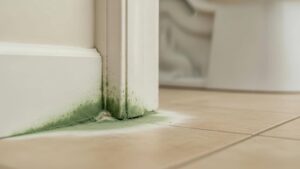
Visible mold growth is one of the most telling signs of a black mold infestation in your home. When you notice dark spots or fuzzy patches on walls, ceilings, or other surfaces, it’s vital to act quickly.
These visible mold types often arise from moisture issues, such as leaks or high humidity. Common visible mold causes include poor ventilation and water damage, which create an ideal environment for mold spores to thrive.
Identifying the specific type of mold can help you understand the severity of the situation. If you see any visible mold, it’s important to seek professional help to ensure proper removal and prevent further damage to your home and your health.
Don’t ignore these indicators; your home deserves attention.
Musty Odor Presence
If you detect a musty odor in your home, it could signal the presence of black mold, even if you can’t see it.
This musty odor often originates from damp areas like basements, bathrooms, or behind walls where moisture accumulates.
Odor detection is vital, as it may indicate hidden mold growth that can lead to more significant problems.
Inspect potential musty odor sources, such as water leaks or areas with poor ventilation.
Addressing the root cause of moisture is important in preventing mold infestations.
If you notice a persistent musty smell, don’t ignore it—consider a professional assessment and remediation to ensure a safe, healthy living environment for you and your loved ones.
Health Symptoms Experienced
Experiencing health symptoms can be a clear indicator of black mold infestation in your living space.
If you notice persistent respiratory issues, such as coughing, sneezing, or difficulty breathing, it’s essential to contemplate the possibility of mold-related illnesses. These symptoms often worsen when you’re indoors, especially in areas where mold thrives.
You might also experience skin irritations, headaches, or fatigue, which can greatly impact your quality of life.
Recognizing these signs early allows you to take appropriate action, ensuring a healthier environment for you and your loved ones.
Don’t ignore these symptoms; they can escalate if the mold problem isn’t addressed promptly.
Prioritizing your health is critical, and understanding these indicators is the first step towards a solution.
The Comprehensive Black Mold Removal Process
When addressing a black mold issue, understanding the thorough removal process is essential.
You’ll begin with an inspection and assessment to identify the extent of the problem, followed by effective containment and removal strategies.
Finally, implementing prevention and remediation measures ensures that mold doesn’t return, safeguarding your environment.
Inspection and Assessment
Although mold growth can often go unnoticed, a detailed inspection and assessment are vital for effective black mold removal.
You’ll want to engage professionals who employ advanced mold inspection techniques to identify hidden mold sources. These methods may include moisture meters, infrared cameras, and air sampling to detect mold spores.
Once identified, assessment procedures help evaluate the extent of the infestation and potential health risks. This step ensures you understand the scope of the problem and helps tailor a removal plan that fits your unique situation.
Having an extensive understanding of the mold’s presence in your environment fosters a sense of safety and belonging, allowing you to take informed action towards a healthier home.
Containment and Removal
To effectively combat black mold, proper containment and removal are crucial steps in the thorough mold remediation process.
You’ll want to initiate mold containment by sealing off affected areas to prevent spores from spreading to other locations. This typically involves using plastic sheeting and negative air pressure machines.
Once containment is in place, you can employ various removal techniques tailored to the severity of the infestation. These may include scrubbing surfaces with appropriate solutions or, in more severe cases, removing and discarding contaminated materials.
Throughout this phase, wearing personal protective equipment is essential to ensure your safety.
Prevention and Remediation
Following effective containment and removal, the next phase in the thorough black mold removal process focuses on prevention and remediation.
To safeguard your environment, you’ll want to implement robust mold prevention strategies. This includes controlling humidity levels, ensuring proper ventilation, and promptly addressing any leaks or water damage. Regular inspections can also help you identify potential mold growth before it escalates.
In terms of remediation techniques, consider enlisting professionals who utilize advanced methods such as HEPA filtration and antimicrobial treatments.
These approaches eliminate existing mold and create a less hospitable environment for future growth. By combining these strategies, you can achieve lasting results and maintain a healthy space for you and your loved ones.
Importance of Professional Mold Remediation
When faced with a black mold infestation, it’s vital to understand the importance of professional mold remediation. Tackling mold on your own might seem tempting, but the potential health risks and structural damage make it a risky endeavor.
Professionals bring expertise and specialized equipment, ensuring thorough removal and reducing the likelihood of recurrence.
Moreover, many homeowners’ insurance policies cover mold remediation under certain conditions. By hiring experts, you can navigate these insurance claims effectively, minimizing out-of-pocket removal costs.
Professional teams will handle the immediate issue and assess and address underlying moisture problems, preventing future infestations.
In a community that values safety and well-being, investing in professional mold remediation fosters a healthier living environment for you and your loved ones.
Don’t underestimate the significance of expert help; it’s a vital step in safeguarding your home and ensuring peace of mind.
Post-Hurricane Considerations for Mold Removal
As the storm clouds clear and the reality of a hurricane’s aftermath sets in, homeowners must prioritize mold removal to protect their properties.
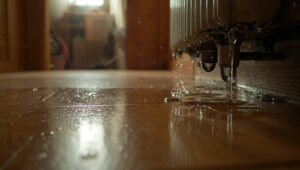
After significant water intrusion, mold can take root within 24-48 hours, leading to health risks and structural damage. Start by evaluating the extent of the moisture damage; this is essential for effective moisture control.
Identify areas with visible mold or dampness, and consider hiring professionals equipped with the right tools for thorough inspection and remediation.
They’ll utilize advanced techniques to dry affected areas and remove mold, ensuring your home is safe and healthy.
Preventative Measures Against Future Mold Growth
After addressing mold issues from hurricane damage, it’s essential to implement preventative measures to avert future growth. By focusing on moisture control and ensuring proper ventilation systems, you can greatly reduce the likelihood of mold returning.
Here are some effective strategies:
- Regularly inspect areas prone to moisture, such as basements or bathrooms.
- Install dehumidifiers in high-humidity spaces to maintain ideal moisture levels.
- Ensure proper ventilation in your home by using exhaust fans in kitchens and bathrooms.
- Seal leaks and gaps in windows, roofs, and pipes to prevent water intrusion.
These proactive steps enhance your home’s air quality and foster a sense of security within your living environment.
Review
Extensive black mold removal services ensure safety, restore health, and promote peace of mind. By identifying dangers, addressing infestations, and implementing preventative measures, you create a mold-free environment. Investing in professional expertise eliminates existing mold and addresses underlying moisture issues, preventing future growth. Remember, a proactive approach safeguards your home, protects your health, and fosters a sustainable living space. Prioritize thorough remediation today for a healthier tomorrow.