Mold is like a silent invader, lurking in hidden corners and waiting for the perfect conditions to thrive. When you face a mold issue, time is of the essence, and that’s where 24/7 emergency mold inspection services come in. These services offer immediate access to trained professionals who can assess and address the problem efficiently. But what exactly happens during an inspection, and how can it protect your health and property?
Key Takeaways
- 24/7 emergency mold inspection services provide immediate response to mold issues, available day or night to mitigate risks and damage.
- Trained professionals use advanced technology to assess and identify mold problems quickly and accurately.
- Initial assessments evaluate visible mold signs, moisture levels, and potential health risks in affected areas.
- Containment measures are implemented to isolate affected spaces, preventing further mold spread during inspections.
- Thorough documentation of findings guides targeted remediation efforts and ensures effective resolution of mold issues.
Understanding Mold and Its Risks
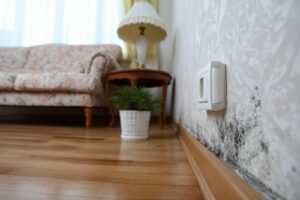
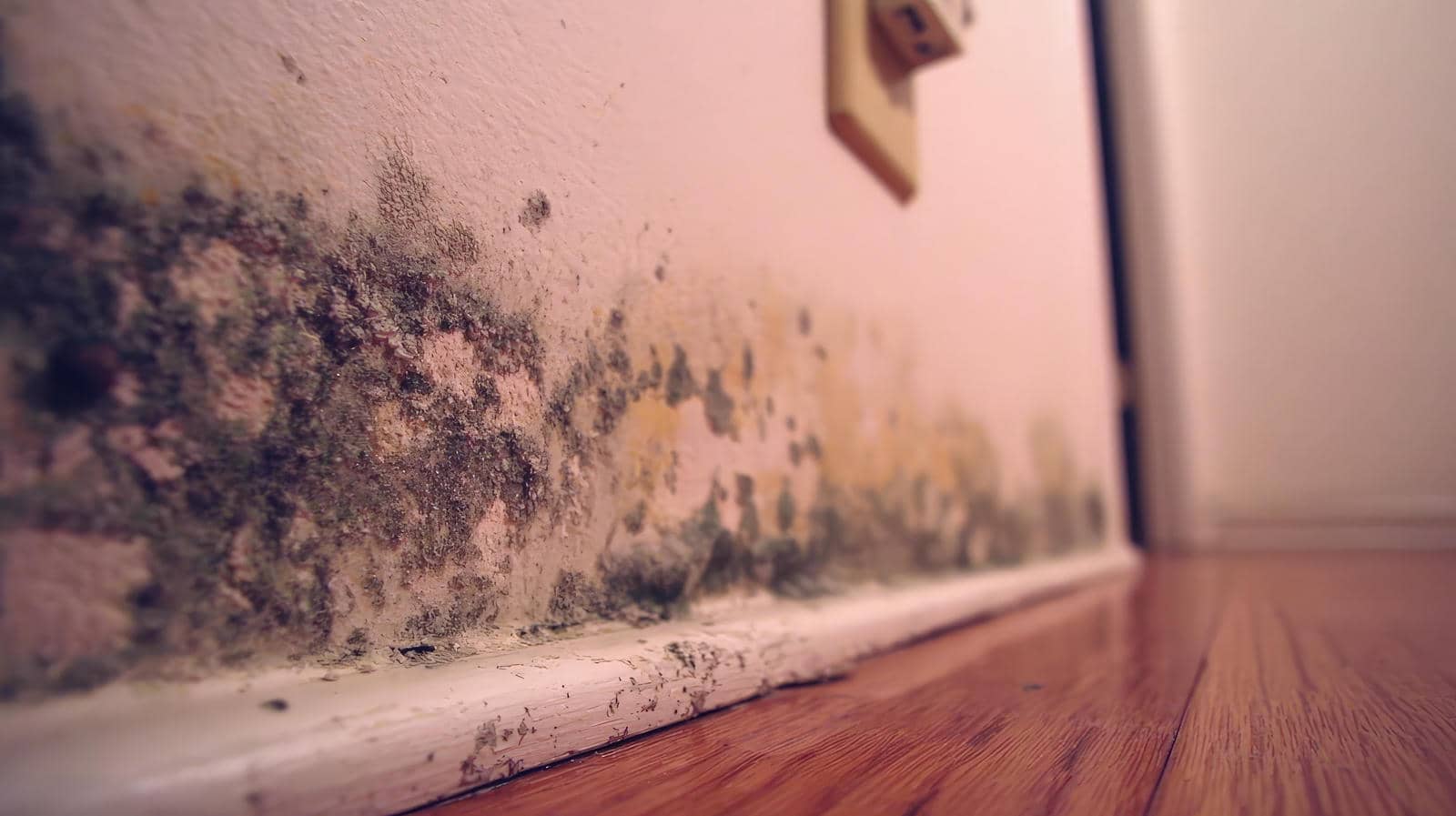
Mold, a type of fungus, thrives in damp environments and can pose significant health risks. You may encounter various mold types, such as Aspergillus, Cladosporium, and Stachybotrys, commonly known as black mold. Each type has specific growth conditions, typically requiring moisture, organic material, and suitable temperatures.
If you’re in a space that’s prone to leaks, humidity, or poor ventilation, the likelihood of mold growth increases dramatically.
Understanding these conditions is vital for maintaining a healthy environment. Mold can release spores into the air, leading to respiratory problems, allergic reactions, and other health issues.
It’s essential to recognize potential problem areas in your home, such as basements or bathrooms, where moisture tends to accumulate. Being proactive about identifying and addressing these growth conditions will help you protect your health and create a safe living space for yourself and your loved ones.
Importance of Timely Mold Inspections
Timely mold inspections are essential for mitigating health risks and preventing property damage.
When you address mold issues promptly, you reduce the chances of respiratory problems and other health complications.
Additionally, early detection can save you significant repair costs by stopping mold growth before it spreads.
Health Risks Mitigation
When you delay addressing mold issues, you increase the risk of serious health problems for yourself and others in your environment.
Mold exposure can trigger mold allergies, leading to symptoms such as sneezing, itchy eyes, and skin rashes. More critically, it can exacerbate respiratory issues, particularly in sensitive individuals like children and the elderly.
Timely mold inspections are essential for identifying hidden mold growth before it becomes a larger problem. By using emergency mold inspection services, you ensure potential health risks are effectively mitigated.
Regular inspections safeguard your well-being and foster a healthy community. Taking prompt action can provide peace of mind, allowing you and those around you to breathe easier and live without the fear of mold-related health complications.
Property Damage Prevention
Ignoring mold growth can lead to significant property damage, as moisture accumulates and structural integrity deteriorates over time.
Timely mold inspections are essential for effective property maintenance and mold mitigation. Here’s why you can’t afford to wait:
- Prevents costly repairs from extensive water damage
- Safeguards the health of occupants and property value
- Reduces the risk of mold spreading to other areas
- Enhances overall property longevity and safety
Characteristics of 24/7 Emergency Services
While mold can quickly escalate into a serious health hazard, the characteristics of 24/7 emergency services ensure prompt and effective response to such crises.
First and foremost, these services prioritize immediate emergency response, ensuring that you receive assistance whenever you need it—day or night. This round-the-clock service availability means you’re never left to face a mold issue alone, which fosters a sense of community support during stressful times.
Additionally, these emergency services utilize trained professionals equipped with advanced technology to assess and address mold problems efficiently. Their rapid deployment minimizes further damage and health risks, reflecting a commitment to your well-being.
When you reach out, you can expect a thorough evaluation and targeted solutions, reinforcing your trust in the service. Ultimately, the characteristics of 24/7 emergency services create an environment where you feel secure and supported in combating mold issues effectively.
Steps Involved in Emergency Mold Inspection
Emergency mold inspection involves a systematic approach to identify and mitigate mold infestations effectively. The process begins with an emergency response that prioritizes safety and thoroughness.
You’ll follow established inspection protocols to ensure no detail is overlooked.
Key steps include:
Initial Assessment: You evaluate visible signs of mold and moisture.
Containment: To prevent further spread, you isolate affected areas.
Sampling: You collect air and surface samples to identify mold types and concentration.
Documentation: You record findings meticulously to guide remediation efforts.
Tools and Techniques Used in Inspections
When conducting mold inspections, various specialized tools and techniques are essential for effective detection and assessment. You’ll rely on mold detection methods like moisture meters and infrared cameras to identify hidden damp areas that may harbor mold.
Moisture meters measure the moisture content in materials, helping you pinpoint potential problem areas. Infrared cameras allow you to visualize temperature variations, indicating moisture presence behind walls.
Additionally, you might use air sampling equipment to analyze mold spores in the air, providing a thorough understanding of the mold levels present.
Inspection equipment, such as borescopes, enables you to examine tight spaces without causing damage. By employing these tools and techniques, you enhance the accuracy of your inspections, ensuring detailed assessments.
Ultimately, this leads to more effective remediation strategies, fostering a safe and healthy environment for your clients.
Identifying Common Sources of Mold Growth
To effectively combat mold growth, you need to recognize its common sources.
Moisture-rich environments, such as bathrooms and basements, create ideal conditions for mold proliferation.
Additionally, plumbing leaks and issues can introduce unwanted moisture, further exacerbating the problem.
Moisture-Rich Environments
Although you may not always notice it, moisture-rich environments are breeding grounds for mold growth, often resulting from specific sources that can be easily overlooked.
To effectively manage these moisture sources and ensure effective humidity control, consider these common contributors:
- Poor ventilation in bathrooms and kitchens
- Accumulated condensation on windows and pipes
- Flooding or water intrusion from heavy rains
- High indoor humidity levels from daily activities
Recognizing these factors is essential in preventing mold proliferation.
By addressing them proactively, you can maintain a healthier living environment and greatly reduce mold risks.
Plumbing Leaks and Issues
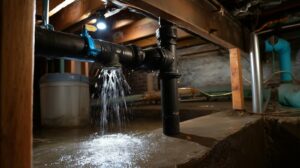
Identifying plumbing leaks is essential, as even a small drip can create an ideal environment for mold growth. Common sources include leaky faucets, burst pipes, and faulty water heaters.
Regular leak detection is vital for early intervention. You should routinely check areas under sinks, around toilets, and behind appliances.
Implementing plumbing prevention measures, such as proper insulation and regular maintenance, can greatly reduce the risk of leaks. If you notice water stains or a musty odor, act quickly to investigate the source.
Addressing these issues promptly prevents mold growth and protects your home’s structural integrity. By staying vigilant, you can create a healthier living environment for yourself and your loved ones.
Health Implications of Mold Exposure
Mold exposure can lead to a range of health issues, particularly for individuals with pre-existing respiratory conditions or weakened immune systems. You might experience various symptoms, which can escalate if not addressed promptly.
Here are some potential health implications:
- Increased mold allergies, leading to sneezing and itching
- Respiratory issues, such as asthma attacks or chronic coughing
- Skin irritations and rashes upon contact
- Fatigue and cognitive difficulties due to prolonged exposure
If you or someone you know suffers from these symptoms, it’s important to assess the environment for mold growth. Ignoring the problem may worsen health outcomes and prolong discomfort.
Being proactive about mold inspection can greatly reduce risks, especially for vulnerable populations. Understanding these health implications empowers you to prioritize a safe living space, ultimately fostering a healthier community for everyone involved.
The Role of Professional Mold Inspectors
When it comes to ensuring a safe indoor environment, professional mold inspectors play an essential role in identifying and mitigating mold-related risks.
You rely on their expertise to conduct thorough assessments using advanced mold detection techniques. These techniques include air sampling, surface testing, and moisture mapping, which help pinpoint hidden mold sources and assess potential health hazards.
Inspector qualifications are critical; certified professionals possess the knowledge and training to interpret test results accurately and recommend appropriate remediation strategies.
They stay updated on the latest industry standards and best practices, ensuring you receive the most reliable service.
Preventative Measures After Inspection
After a thorough mold inspection, implementing preventative measures is essential for safeguarding your indoor environment.
By taking decisive post-inspection actions, you can greatly reduce the risk of mold recurrence. Here are some key preventative strategies to reflect on:
- Maintain humidity levels below 60% to inhibit mold growth.
- Regularly inspect for leaks in plumbing and roofing, addressing issues promptly.
- Ensure proper ventilation in areas like bathrooms and kitchens to promote air circulation.
- Use mold-resistant materials in renovations or repairs to bolster defenses against mold.
These actions not only create a healthier living space but also foster a sense of community and well-being among occupants.
Prioritizing these preventative strategies helps you protect your home and those who share it, ensuring a safe and inviting environment for everyone.
Frequently Asked Questions
How Much Do 24/7 Emergency Mold Inspection Services Typically Cost?
The cost of 24/7 emergency mold inspection services typically ranges from $100 to $500. Inspection fees depend on factors like property size, mold severity, and location, so you should consider these when budgeting for the service.
Are Inspections Covered by Homeowners’ Insurance Policies?
Many homeowners find inspections covered by insurance, but policy limitations often apply. For instance, if mold resulted from a maintenance issue, your claim might be denied. Always review your policy details to understand your coverage better.
How Quickly Can Inspectors Arrive for Emergency Services?
Inspectors can typically arrive within hours for emergency services. Their rapid assessment ensures you quickly identify mold issues, allowing you to take prompt action. This swift response fosters a sense of security and belonging in your home.
Do I Need to Vacate My Home During the Inspection?
You typically don’t need to vacate your home during the inspection, but following mold inspection protocols and safety precautions is essential. Inspectors may advise you to stay clear of affected areas for your safety.
What Qualifications Should I Look for in a Mold Inspector?
When selecting a mold inspector, make certain they possess relevant certifications and extensive experience. Verify their training in mold assessment techniques, as well as their knowledge of local regulations, to ensure a thorough and reliable inspection process.
Final Thoughts
When mold menaces your home, 24/7 emergency mold inspection services swiftly step in to safeguard your space. By leveraging advanced techniques and tools, these professionals pinpoint problems and provide prompt solutions. With their expertise, you can breathe easier, knowing your environment’s safety is secured. Don’t delay—diligently detect and diminish mold issues to defend against potential health hazards and property damage. Your proactive approach today ensures a healthier, happier home tomorrow.