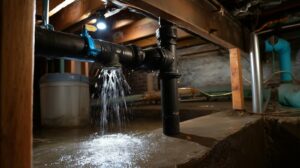
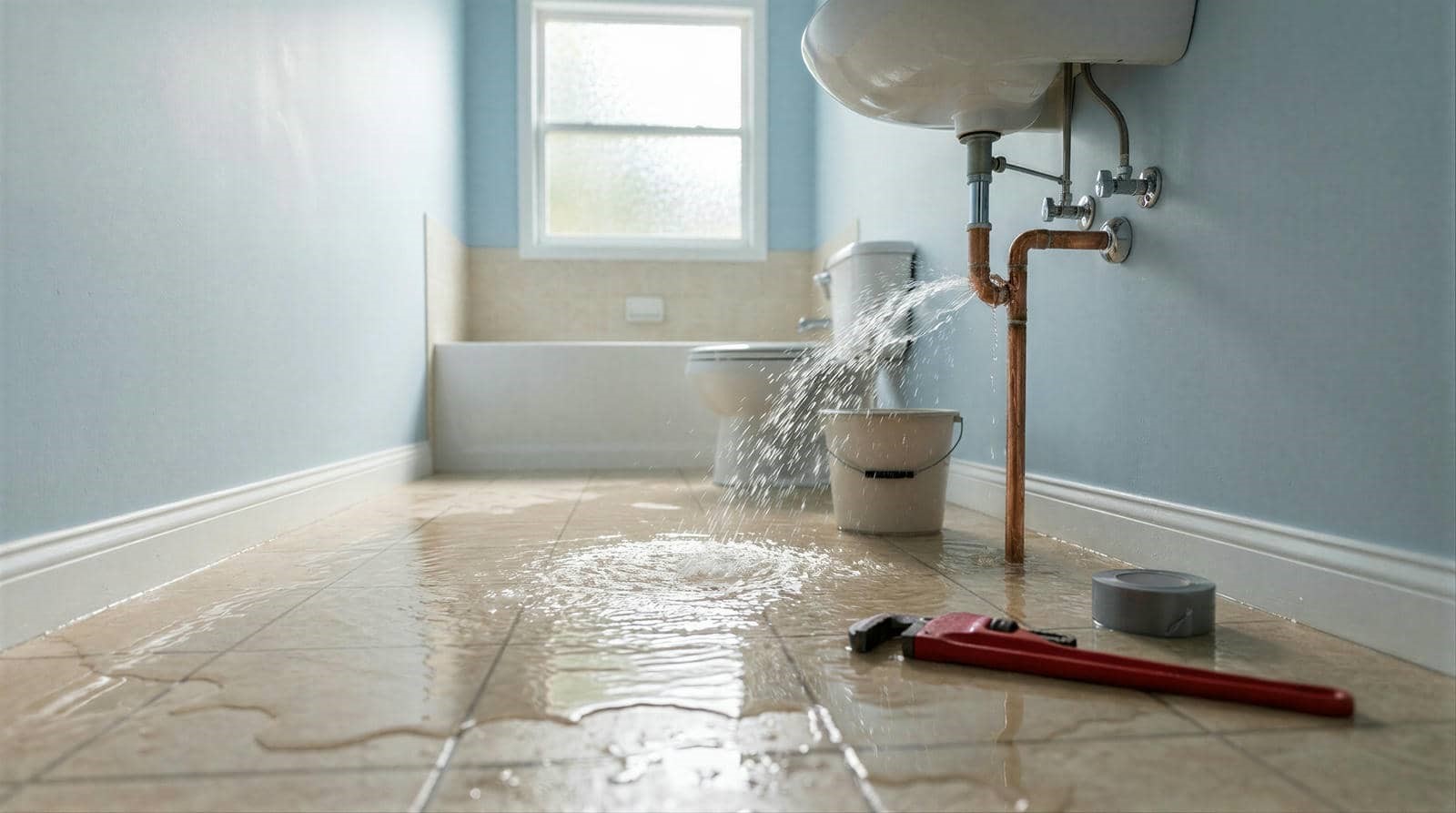
When a burst pipe occurs, acting quickly is vital to minimize water damage. You should immediately turn off the main water supply and unplug any electrical appliances nearby for safety. Documenting the damage will aid in your insurance claims, and contacting a reliable plumber is important. But what steps can you take to effectively extract water and ensure thorough drying? Understanding the best practices can make all the difference in your recovery process.
Key Takeaways
- Immediately turn off the main water supply to stop further flooding and damage.
- Use high-capacity pumps and wet vacuums for efficient water extraction from affected areas.
- Set up dehumidifiers and fans to enhance drying and prevent mold growth.
- Inspect and document damage for insurance claims and future reference.
- Schedule regular plumbing maintenance to prevent future burst pipe incidents.
Immediate Steps to Take After a Burst Pipe
When a pipe bursts, it’s crucial to act quickly to minimize water damage. First, turn off the main water supply to stop further flooding.
Next, unplug any electrical appliances near the affected area to prevent hazards. After that, document the damage thoroughly with photos and notes, as this will assist in filing insurance claims later.
It’s a good idea to have your emergency contacts handy, including a reliable plumber, to address the burst pipe promptly. Reach out to your insurance company as soon as possible to report the incident and begin the claims process. They may require specific documentation, so stay organized.
If safe, move personal belongings away from the water, and consider using fans or dehumidifiers to help dry the area. Acting swiftly protects your property and strengthens your community ties, as you’ll likely need support and resources during this challenging time.
Assessing the Extent of Water Damage
To effectively assess the extent of water damage after a burst pipe, start by examining the affected areas thoroughly.
Conducting a detailed water damage assessment is essential for understanding the situation. Use moisture detection tools to identify hidden water pockets that mightn’t be immediately visible.
Consider these steps:
Inspect Walls and Ceilings: Look for warping, discoloration, or peeling paint.
Check Flooring: Assess carpets, hardwood, and tiles for water retention.
Evaluate Insulation: Determine if insulation has absorbed moisture, compromising its effectiveness.
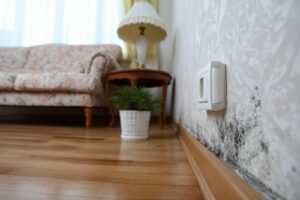
Identify Mold Growth: Watch for signs of mold, which can develop quickly in damp areas.
Effective Water Extraction Techniques
After evaluating the extent of water damage, the next step is effective water extraction to prevent further complications. You’ll want to employ advanced extraction methods that ensure you remove water quickly and thoroughly.
High-capacity pumps and powerful wet vacuums are essential tools in this process, as they enhance equipment efficiency and reduce the risk of mold and structural damage.
Make sure to target both standing water and moisture trapped in porous materials. Using thermal imaging can help identify hidden pockets of water, ensuring a thorough extraction.
In addition, consider utilizing specialty extraction equipment, like injectidry systems, for hard-to-reach areas.
Drying and Dehumidifying the Affected Areas
Once you’ve completed the water extraction process, drying and dehumidifying the affected areas becomes crucial to prevent mold growth and structural damage.
Effective moisture control is essential, so make sure you use dehumidifiers and fans to enhance air circulation. This speeds up the drying process and helps eliminate hidden moisture pockets that could cause issues down the line.
Here are some key steps to follow:
- Set up dehumidifiers to remove excess moisture from the air.
- Use fans to promote air circulation and dry surfaces efficiently.
- Open windows and doors when possible to increase fresh air flow.
- Monitor humidity levels using a hygrometer to make sure effective drying.
Preventing Future Water Damage Issues
Although water damage can happen unexpectedly, taking proactive measures can greatly reduce the risk of future issues. Start by investing in quality pipe insulation, especially in areas prone to freezing temperatures. Insulated pipes are less likely to burst, which can save you significant headaches down the line.
Additionally, implement a schedule for regular maintenance checks on your plumbing system. Look for signs of wear, corrosion, or leaks, and address them promptly to prevent escalation.
Regularly inspect appliances that use water, such as washing machines and dishwashers, to confirm hoses are secure and in good condition. Don’t forget to monitor your home’s humidity levels, as excessive moisture can weaken structural integrity and promote mold growth.
Frequently Asked Questions
How Can I Identify a Burst Pipe Before It Causes Damage?
You can identify a burst pipe by monitoring for warning signs like unusual water bills, damp spots on walls, and sounds of running water. Utilizing leak detection tools can help pinpoint issues before they escalate.
Will My Homeowners Insurance Cover Burst Pipe Water Damage?
Yes, your homeowners’ insurance typically covers burst pipe water damage, but be aware of policy exclusions. Some claims get denied due to a lack of maintenance, so stay informed and keep your property in check.
Can I Repair a Burst Pipe Myself?
Yes, you can repair a burst pipe yourself with DIY plumbing skills. For emergency repairs, quickly shut off the water supply, assess the damage, and use appropriate materials to seal the pipe until professional help arrives.
What Are the Long-Term Effects of Water Damage on My Home?
Water damage can lead to mold growth and compromise your home’s structural integrity. If left untreated, it may cause health issues and costly repairs, affecting your living environment and overall property value considerably.
How Do I Choose a Restoration Company for Water Damage?
Choosing a restoration company is like finding a needle in a haystack! Check their restoration qualifications, read company reviews, and verify they’re certified. You deserve a reliable partner to restore your home’s safety and comfort.
Wrap-Up
So, you’ve got a burst pipe—congratulations, you’ve won the water damage lottery! While you scramble to shut off the main supply and document the chaos for insurance, remember to call that plumber you’ve been avoiding. After all, nothing screams “home sweet home” like a soggy carpet and a moldy wall. But hey, once you’ve tackled this delightful mess, invest in some quality pipe insulation. Who doesn’t love a little peace of mind amidst the flood?